India braces for a summer of extremes
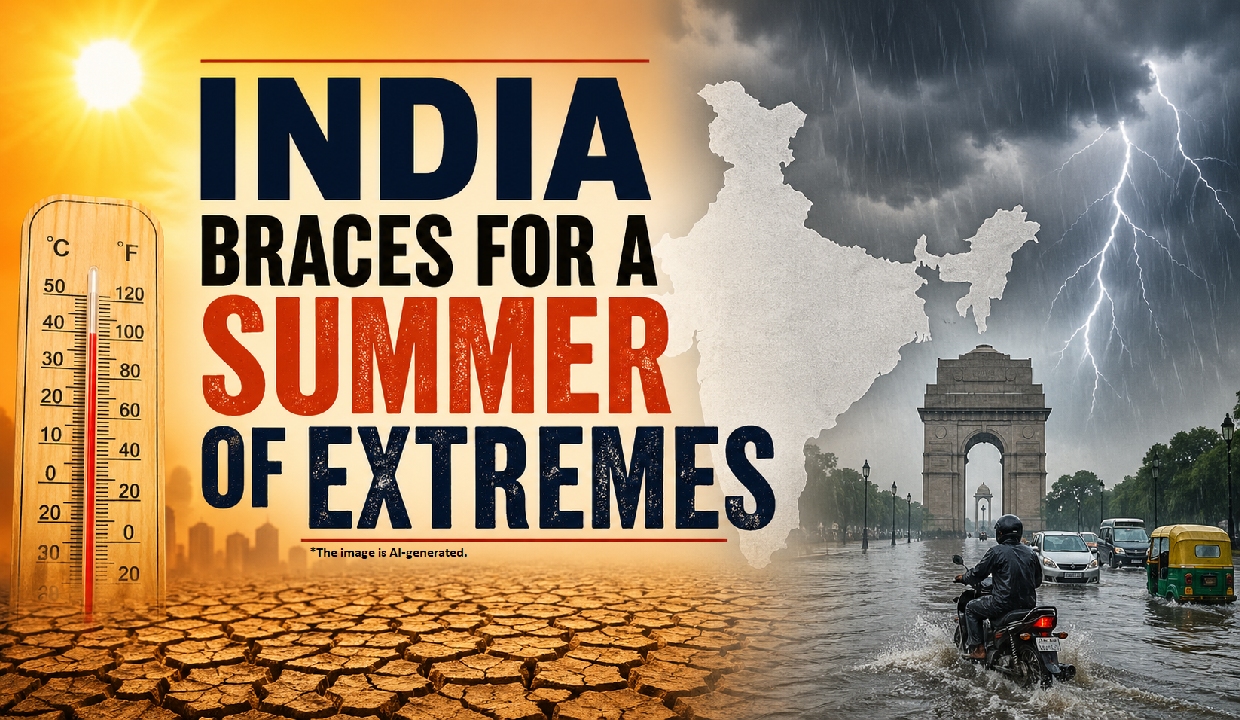
India faces a heatwave on a national scale. This signals a deeper climate crisis, demanding urgent preparedness and long-term resilience strategies
It may be a distinction one would not be proud of but it is a record of sorts. Of world’s 100 hottest cities, 98 happen to be in India. The country is witnessing extreme heat conditions as temperatures are soaring and have touched 45 degrees Celsius in many regions. And this is just the month of April. The worst is yet to come. As the mercury rises with every passing day, the signal is clear — April is showing the mood of summer. April 24 was already the hottest day in four years. From the plains of Punjab and Haryana to eastern states like Odisha and Jharkhand, and even typically humid regions such as Kerala, the heatwave is pan-India, unlike in the past. The India Meteorological Department (IMD) has issued alerts. Many cities are rescheduling the school timings to protect children from the scorching heat. Indeed, this extreme heat could be fatal in some cases and chances of heat strokes are high if one is outdoors for long.
Heatwaves increase the risk of dehydration, heatstroke, and cardiovascular stress, particularly among the elderly, outdoor workers, and children. Millions of informal workers, from construction laborers to street vendors, are at maximum risk. The impact of this impact is not just on public health but on economy as well. This heatwave will test India’s resilience and heat tolerance to the limits. Productivity will be low and work hours would be considerably reduced. As heat intensifies, electricity demand surges due to cooling needs, placing enormous pressure on already strained power grids and increasing the risk of outages, thereby affecting production. And this is not an isolated or localised heatwave; it is here to stay. This heatwave signals a climate trajectory. This year is expected to be particularly difficult due to the anticipated strengthening of El Niño conditions. El Niño events typically lead to higher-than-normal temperatures and suppressed monsoon rainfall in India. The implications for agriculture are severe. India’s agrarian economy remains heavily dependent on the monsoon. A deficient or delayed rainfall season could impact crop yields, particularly for water-intensive crops such as rice and sugarcane. Farmers, already grappling with rising input costs and climate variability, may face yet another year of low yield. Water scarcity is another looming crisis. Reservoir levels, groundwater tables, and urban water supply systems are all vulnerable to prolonged heat and weak rainfall.
Rising global temperatures are making heatwaves a recurring feature rather than an occasional anomaly. The big question is are we prepared for this undeclared emergency — a situation that can play havoc with economy, cause social unrest and even lead to panic among the people. The policy response must move beyond short-term coping mechanisms. Heat action plans need to be strengthened and implemented at scale, with a focus on early warning systems, public awareness, and community-level interventions. At the national level, water management and climate-resilient agriculture must become central priorities. How effectively we deal with these extreme heat conditions will decide how fast we grow!