Ebola scare delays India-Africa summit
India has issued a health advisory for passengers arriving from or transiting through Ebola-affected countries, directing those with symptoms or exposure history to immediately report to airport health authorities before immigration clearance.
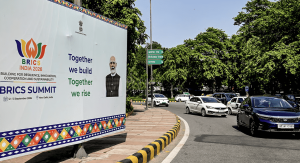
Following the advisory, India and the African Union have postponed the Fourth India-Africa Forum Summit (IAFS), which was scheduled to be held in New Delhi from May 28 to 31, amid growing concerns over the spread of the Ebola virus in parts of Africa.
The Ministry of External Affairs (MEA) announced the postponement on Thursday, stating that fresh dates for the summit would be decided after consultations with African nations. While the ministry did not directly cite Ebola as the reason for the delay, the decision comes against the backdrop of a worsening outbreak in the Democratic Republic of Congo.
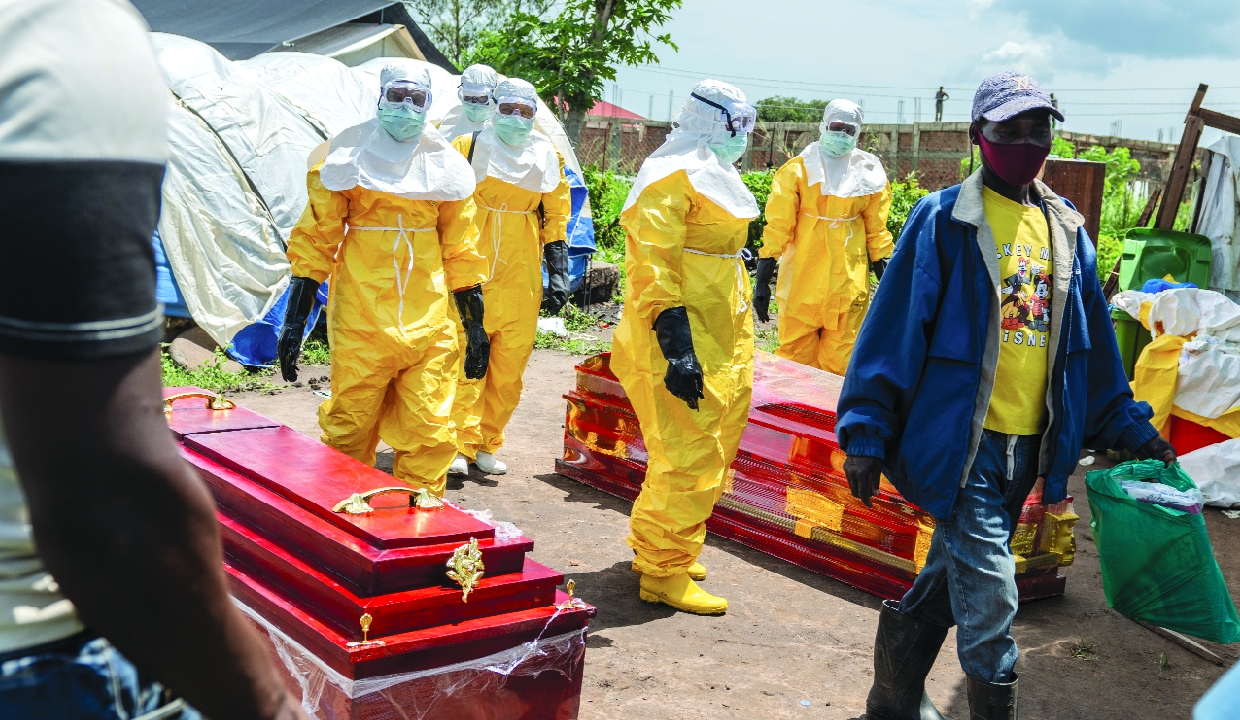
The World Health Organisation (WHO) has declared the Ebola outbreak a "public health emergency of international concern." More than 136 people have reportedly died due to the outbreak so far.
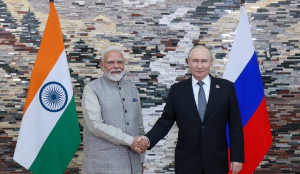
India had planned to unveil an ambitious roadmap aimed at strengthening ties with African nations during the summit. Several top African leaders had already confirmed their participation in the high-level gathering.
In its statement, the MEA said India and the African Union exchanged views on the "evolving health situation" in parts of Africa and reaffirmed the importance of continued cooperation in strengthening public health preparedness and response capacities across the continent, including support for the Africa Centres for Disease Control and Prevention (Africa CDC) and national health institutions.
"Recognising the importance of ensuring the full participation and engagement of African leaders and stakeholders, and mindful of the emerging public health situation on the continent, consultations were held between the Government of India, the Chairperson of the African Union, and the African Union Commission regarding the holding of the summit and associated activities," the MEA said.
"Following these consultations, the two sides agreed that it would be advisable to convene the Fourth India-Africa Forum Summit at a later date," the statement added.
India reiterated its solidarity with African nations and expressed readiness to support Africa CDC-led efforts in tackling the health crisis.
The upcoming summit was expected to provide a major boost to India-Africa relations and deepen cooperation in areas including trade, healthcare, infrastructure, capacity building, and development partnerships.
India's engagement with Africa has increasingly focused on African priorities and local ownership. Since 2018, New Delhi has expanded its diplomatic presence across the continent by opening 17 new missions, taking the total number of Indian diplomatic missions in Africa to 46. The last India-Africa Forum Summit was held in New Delhi in October 2015.
The health advisory, issued by the Directorate General of Health Services (DGHS), names the Democratic Republic of Congo, Uganda and South Sudan as "high-risk countries" following the World Health Organisation's (WHO) declaration of Ebola as a Public Health Emergency of International Concern (PHEIC).
The Airport Health Organisation (APHO) has displayed the advisory at Delhi airport, urging travellers to monitor symptoms such as fever, weakness, headache, muscle pain, vomiting, diarrhoea, sore throat and unexplained bleeding.
Passengers who had direct contact with the blood or body fluids of suspected or confirmed Ebola patients have been asked to immediately report to airport health officials.
According to APHO, travellers developing symptoms within 21 days of arrival should seek urgent medical attention and disclose their travel history to authorities.
Meanwhile, Union Health Secretary Punya Salila Srivastava chaired a high-level review meeting with health secretaries of all states and Union territories to assess preparedness and response measures.
Officials clarified that no Ebola case has been reported in India so far. However, the Centre has strengthened surveillance and precautionary measures nationwide to prevent any possible outbreak.
The government has already shared detailed Standard Operating Procedures (SOPs) with states and Union territories covering screening, quarantine, case management, referral systems and laboratory testing. Relevant ministries and departments have also been sensitised to step up preventive and surveillance efforts in coordination with the health ministry.