GST: Businesses can digitally record ‘goods delivered’
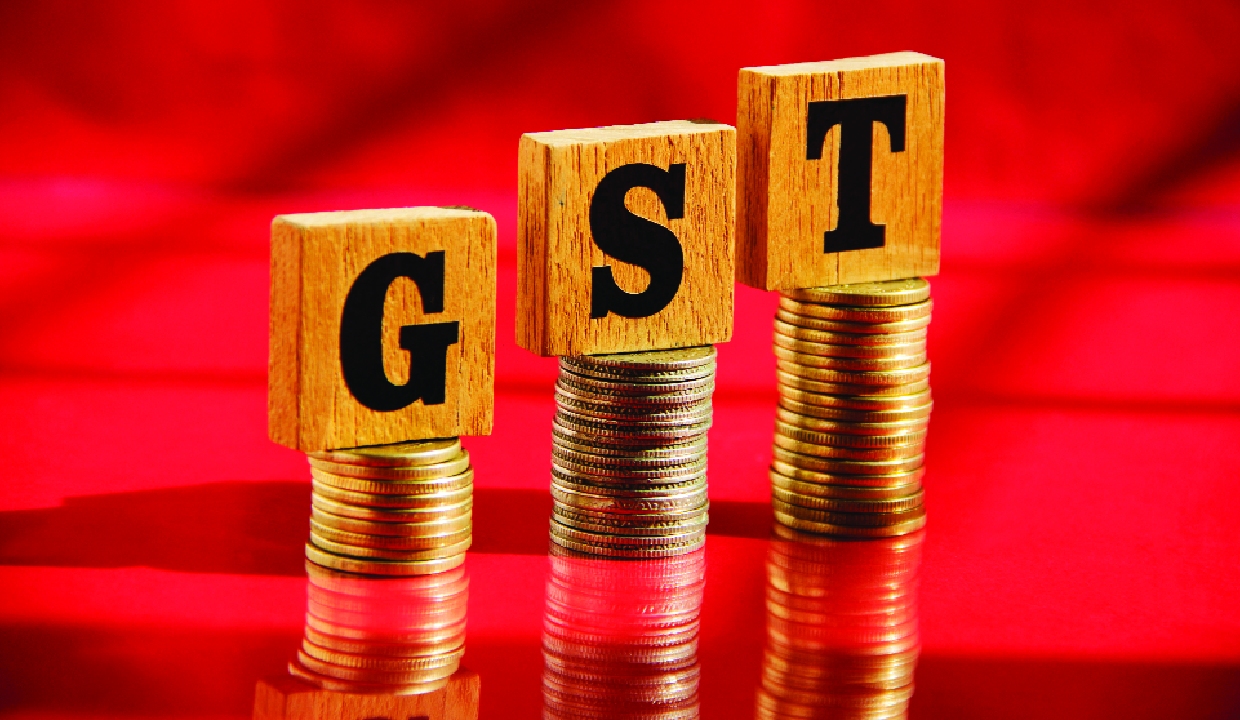
GST-registered businesses can now digitally record delivery of goods for which an e-way bill was generated on the portal, GST Network said.
In an advisory to taxpayers, GSTN, which manages the tech backbone of goods and services tax (GST), said, “A new e-way bill closure facility has been introduced in the e-way bill system on voluntary basis to enable closure of the e-way bill once delivery of goods is completed.”
Until now, the e-way bill framework primarily tracked initiation and transit of goods movement, but lacked a formal mechanism to digitally record completion of delivery. This closure feature would create a clearer end-to-end transaction trail and strengthens logistical accountability. Under GST, a person carrying goods valued over Rs 50,000 has to carry an e-way bill. The document is required to be generated from the GST Portal by a GST-registered person or transporter before transporting the goods.
The GSTN said e-way bill may be closed by either supplier, or recipient, or transporter involved in the transaction, or driver or any authorised person whose mobile number has been provided for closure.
It further said the changes are being implemented in the e-way bill system with a view to strengthening data integrity, improving traceability of goods movement, and enabling system-driven closure of transactions.
It also asked taxpayers, transporters, ERP/API integrators, and other stakeholders to initiate necessary system readiness measures.
AMRG Global Managing Partner Rajat Mohan said the introduction of the e-way bill closure facility marks an important evolution in GST’s digital compliance architecture and businesses with large supply chains should begin evaluating operational readiness early.
While currently introduced as a voluntary mechanism, there is a strong possibility that GSTN may gradually move towards making such closure a mandatory compliance step. If that happens, it could materially strengthen invoice-to-delivery reconciliation and help address concerns around circular trading and round-tripping.