Delhi unveils four tourism circuits
Delhi is not only known for its world-famous historical monuments but is also home to religious sites. Plans are afoot to present the national Capital as an integrated tourism experience and develop the megapolis from a transit city into a destination city. Announcing this on Tuesday, Delhi Chief Minister Rekha Gupta launched four circuits that bring together religious, spiritual, cultural and historical sites located across different parts of Delhi as a single travel experience.
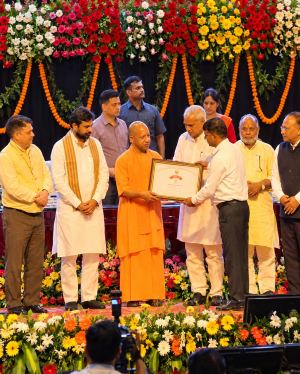
The CM was speaking at the Spiritual and Heritage Tourism Conclave-2026 held at Akshardham Temple. Spiritual guru Sadhguru Jaggi Vasudev was also present.
Addressing the gathering, CM Gupta said the Capital’s city identity is not limited to historical monuments such as the Red Fort, Purana Qila and Humayun’s Tomb. “The city is also home to world-class spiritual and architectural sites such as Akshardham, as well as a rich tradition of temples, gurdwaras, churches, mosques, Buddhist and Jain religious sites,” the CM said.
“Delhi’s greatest strength lies in its unity in diversity. People from almost every State of the country live in Delhi and keep their cultures, traditions and festivals alive here. From Gujarat’s garba and Maharashtra’s Ganesh Chaturthi to Assam’s Bihu, South India’s cultural traditions and festivals of North India, Delhi brings the culture of the entire country together. This is why Delhi is a living reflection of India’s cultural and spiritual ethos,” she added.
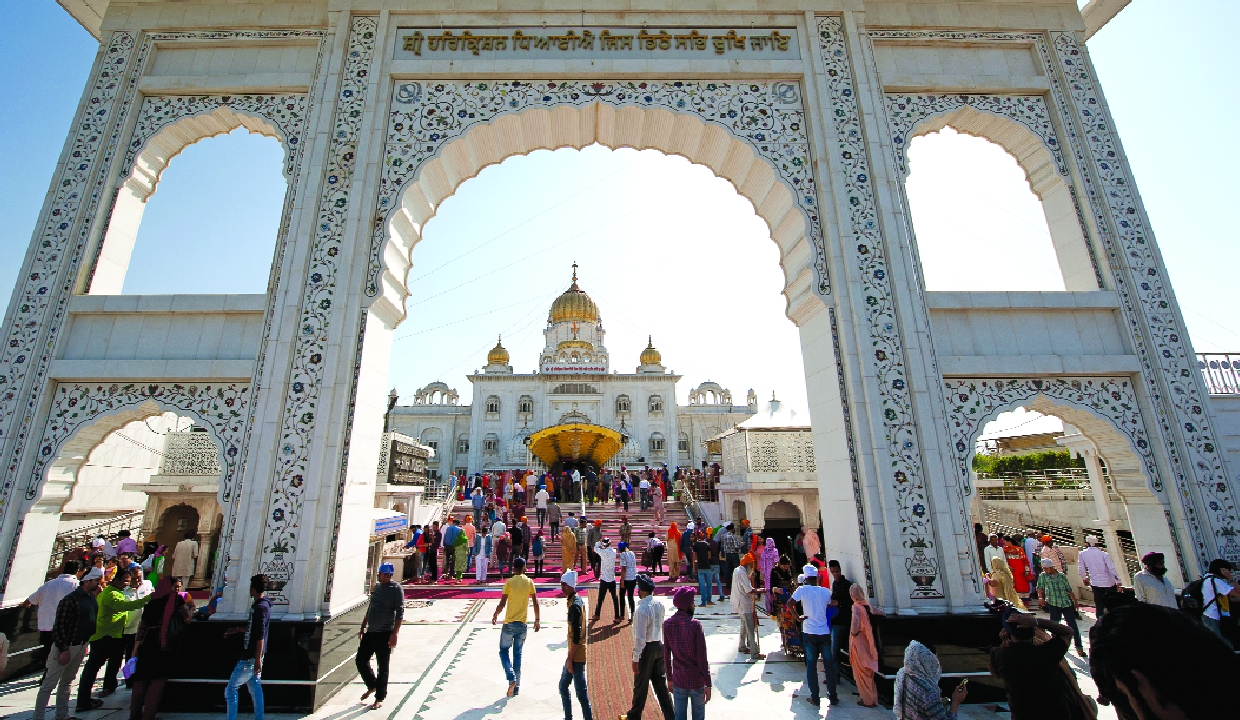
As per details shared by the Government, the Soul of Delhi — Circuit 1 brings together Gurudwara Bangla Sahib, Sacred Heart Cathedral, Agrasen Ki Baoli, Lotus Temple and Akshardham Temple. It offers an opportunity to experience Delhi’s spiritual diversity and cultural heritage together.
The Heritage of Delhi — Circuit 2 includes Birla Temple, Jhandewalan Mata Mandir, Jantar Mantar, Yogmaya Mandir and Jagannath Temple. It highlights the diverse dimensions of Delhi’s religious and historical heritage.
Delhi’s Sacred Harmony —Circuit 3 brings together Praacheen Hanuman Mandir, Digambar Jain Lal Mandir, Ambedkar Memorial, Purana Qila and Hazrat Nizamuddin. It reflects Delhi’s multi-faith and inclusive culture, along with the city’s historical heritage.
While Echoes of Delhi — Circuit 4 includes Gurudwara Rakab Ganj Sahib, Buddhist Temple, Church of Redemption, Mehrauli Archaeological Park, Chhatarpur Mandir and Linga Bhairavi Sannidhanam. The circuit brings together Delhi’s religious sites, archaeological heritage and spiritual traditions as part of a comprehensive travel experience.
The CM said Delhi should not be viewed only through the lens of a few well-known monuments. It is a living reflection of India’s diverse culture, traditions and spiritual consciousness. From Indraprastha through various historical periods, Delhi has preserved India’s history within itself, with every part of the capital holding a story, tradition and heritage of its own.
According to her, the purpose of these circuits is not merely to connect different tourist spots, but to develop Delhi as a complete tourism experience. Tourists should be able to experience the city’s spirituality, history, architecture, culture, cuisine, folk traditions and diverse faiths. “The Government wants tourists visiting Delhi to stay not just for a few hours or a day, but for longer and explore different parts of the capital. This will also create new opportunities for employment and economic activity for hotels, restaurants, tour operators, local guides, artists, artisans and small entrepreneurs,” she said.
The CM said people across the world are increasingly drawn to Indian spirituality, yoga, peace and inner balance. The global acceptance of India’s spiritual traditions presents a major opportunity for Delhi as well. Just as people travel to visit Kashi Vishwanath, Mahakal and other major spiritual destinations across the country, Delhi’s spiritual and religious sites are also being developed as major attractions for tourists from India and across the world.