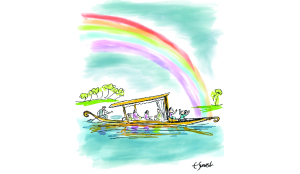
Can unity overcome internal fault lines?
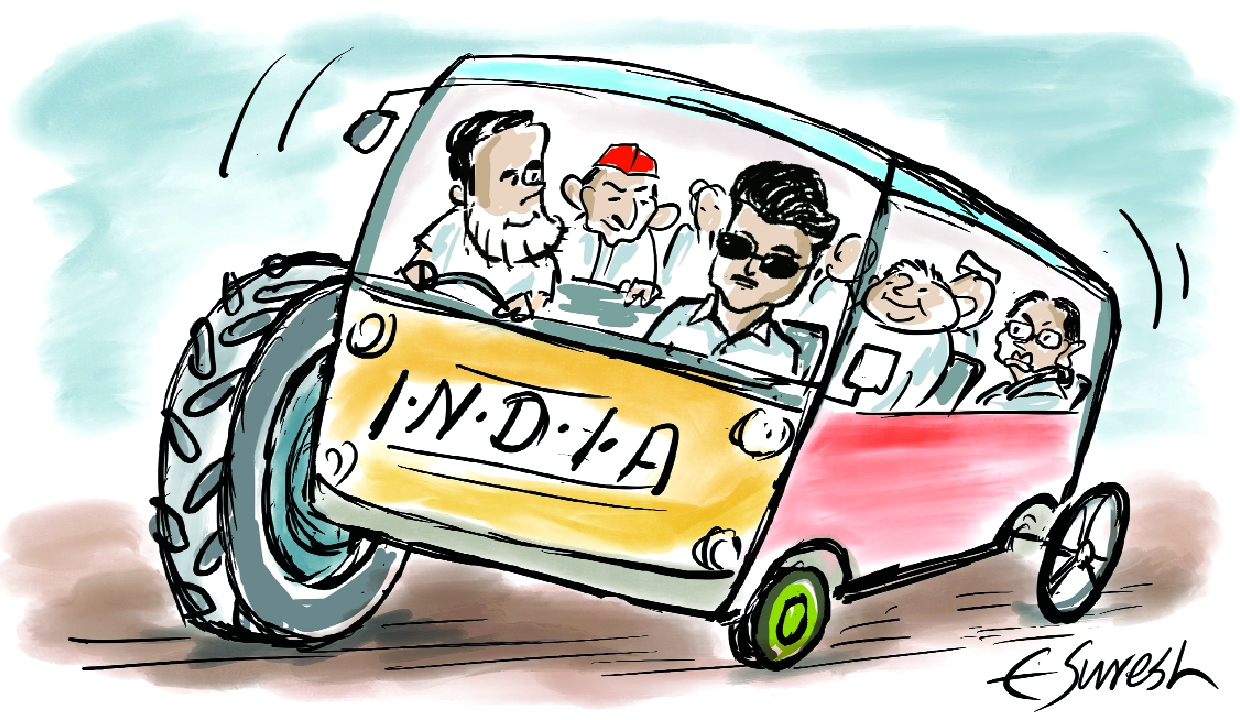
As the opposition alliance prepares for future electoral battles, its ability to reconcile differences, strengthen coordination and reinvent itself in tune with public aspirations will determine if it can evolve into a credible national force
The INDIA bloc, representing a coalition of opposition parties, recently gathered in Delhi to reflect on its journey so far and to share hopes for the future. On June 8, during a meeting organised by the Congress party, 23 out of the original 27 members expressed their strong commitment to working together, highlighting their dedication to unity and collaboration in these challenging times.
Some parties, such as the Trinamool Congress and the DMK, face challenges in their respective states. This has raised concerns about the alliance’s chances in national elections. However, these challenges can also be seen as opportunities for growth. Recognising setbacks can strengthen the alliance and help supporters believe in its ability to overcome local issues.
At the meeting, the alliance agreed on a five-point plan. This plan includes writing to the Chief Justice of India about electoral manipulation and calling for the Education Minister to resign. The alliance also decided to meet at least once every two months.
In the 2024 Lok Sabha polls, the INDIA bloc achieved significant success by reducing the BJP’s seat count. Now, the BJP depends on allies such as the Janata Dal (United) and the Telugu Desam Party to maintain its majority, underscoring that political power is always shifting.
The recent meeting, led by the Congress party and attended by leaders such as Mamata Banerjee, focused on reaching a renewed agreement. This plan is designed to improve communication, schedule meetings every two months and develop joint strategies to address national issues such as the economy and unemployment.
While there are some internal conflicts and the loss of key players like the DMK and AAP, the alliance still has a strong foundation. A setback occurred in June when Congress allied with Tamilaga Vettri Kazhagam, which might upset some members but could also lead to renewal.
The meeting revealed divisions within the alliance that became clear during the recent Assembly elections. Some parties found themselves on different sides. The DMK, an important partner from the South, did not attend the meeting due to disagreements over the Tamil Nadu Assembly elections. Congress then ended its partnership with the DMK and teamed up with Tamilaga Vettri Kazhagam post-poll.
In his nearly 15-minute speech, Rahul Gandhi expressed disappointment with some partners for not supporting issues such as the alleged “vote chori”. He also criticised parties that attack Congress. Rahul Gandhi cautioned allies against undermining one another and urged them to unite in their fight against the BJP for the sake of the country and the Constitution. “Let me tell you, it is easy to beat them if we stand together and resist,” he said.
Akhilesh Yadav of the Samajwadi Party and Tejashwi Yadav of the Rashtriya Janata Dal urged Congress to recognise the importance of regional parties in the fight against the BJP-led government.
On April 17, 2026, the bloc united in the Lok Sabha to defeat the Modi government’s harmful delimitation Bills. It must now strengthen this spirit to tackle the political, economic, social and foreign policy challenges arising from the government’s misgovernance, said Congress chief Mallikarjun Kharge. Addressing important economic issues such as rising unemployment and inflation is crucial. The central government should call an all-party meeting to discuss these issues and work together.
During the Monsoon Session, improving coordination in Parliament will be a top priority. There will be daily meetings at the office of the Leader of the Opposition, Mallikarjun Kharge. The INDIA Alliance has agreed to meet every two months, with the next meeting planned for August in Hyderabad.
The future of the INDIA bloc depends on its ability to integrate diverse political views, develop effective election strategies and advance initiatives such as regional outreach programmes and policy reforms. Strengthening ties with voters and supporting grassroots movements is essential. How the bloc manages disagreements and collaborates will shape its effectiveness.
While the INDIA bloc faces challenges, it also has potential. Retaining around 23 parties demonstrates a strong foundation that can prevent collapse. Although losing influential regional players like the DMK and AAP presents difficulties, the alliance’s commitment to unity and engagement with voters prepares it for future opportunities.
The INDIA bloc’s strategies, unity and responsiveness will play a vital role in addressing the needs of communities. This moment offers a valuable opportunity to grow together, collaborate and revitalise the INDIA bloc to serve the people.
However, it is important for the Opposition to genuinely reinvent itself to connect with the current realities that people face.
As for the future, it is clear that the INDIA bloc’s strategies, unity and responsiveness will play a vital role in addressing the needs of communities. This moment offers a valuable opportunity to grow together.
However, it is important for the Opposition to genuinely reinvent itself to connect with the current realities people face.
The alliance’s future success depends on the partners sticking to a five-point agreement made in June 2026. This plan aims to improve collaboration, election readiness and unity, highlighting the importance of working together.
The alliance’s future success depends on the partners sticking to a five-point agreement made in June 2026. This plan aims to improve collaboration, election readiness and unity, highlighting the importance of working together
The writer is a popular columnist; Views presented are personal.