After all, what are wars all about?
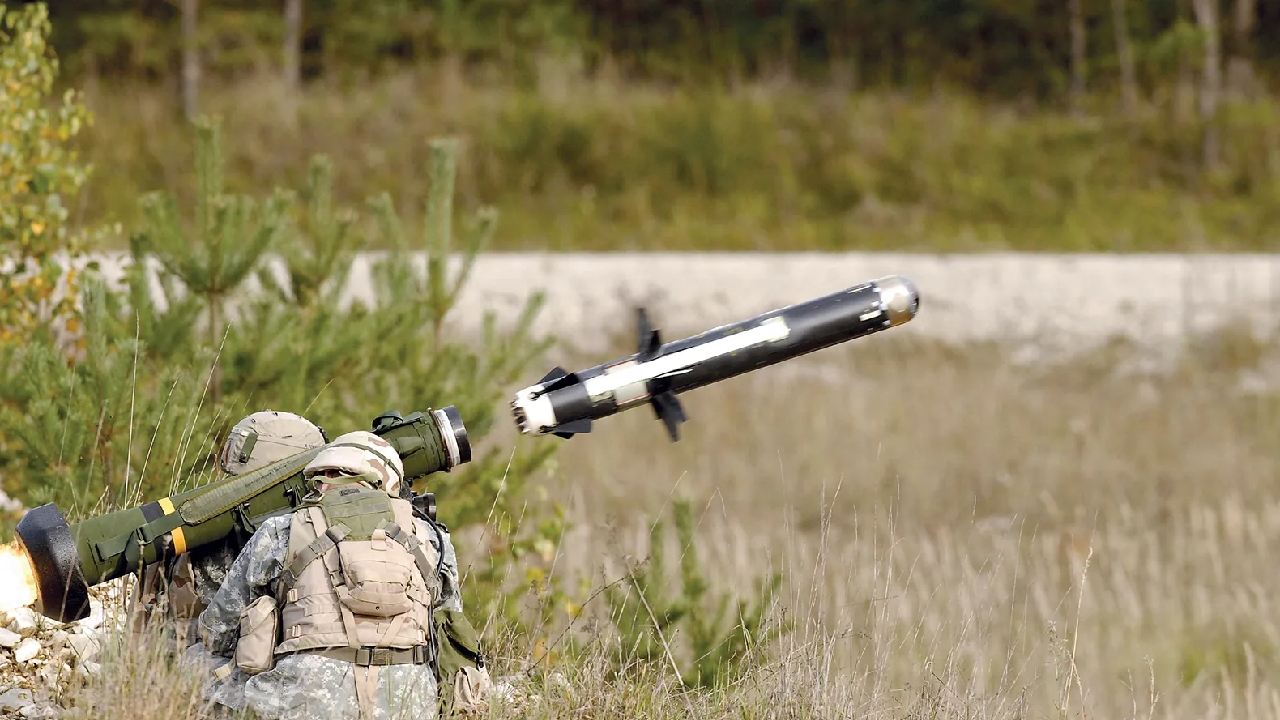
Two headlines - both equally belligerent and spewing fire — confronted me this morning. “Trump threatens Iran with consequences ‘at a level never seen before’ and “Iran launches ‘most intense’ barrage of missiles since start of conflict”. My initial response to them was one of utter disbelief, which then gave way to revulsion at the scale of animosity human beings are capable of directing at one another. My logical brain split into scraps of queries to which I may not have immediate solutions, just as many other existential dilemmas do not, but it was important to raise them so we know from where this quenchless thirst for blood arises.
Have you noticed how a war is now not called a war, per se? It goes by phrases such as strategic strikes, combat operations, special military operations, and is often explained as pre-emptive action taken to install peace. It’s all for the sake of eventual amity, the warmongers disguised as peacekeepers say, making a case for the terror they unleash. This language of peace that sounds controlled, defensive, or morally justified is wickedly flawed and makes blood-letting look like a worthy cause to pursue in the long run. If war must be justified as the protection of righteousness, like it was done in the Mahabharata, there should be a clear-cut classification of who is righteous and who is not. Apparently, the one who made the opening gambit in the present crisis cannot make any claim to such virtues. If a trigger-happy, megalomaniac politician sells war to the world in the name of peace, no one is going to buy it.
Sadly, most armed conflicts of this nature are fallouts of decades of hostility, betrayal and mutual suspicion that have piled up over time. As years pass, the historical background gets overshadowed by power equations, and if there is one thing that violence cannot achieve, it is peace.
So then, are these wars merely projections of force and domination? Are they statements about who the masters are and who the minions are? Such questions invite us to look deeper into the psychology of human beings and the thought patterns that drive our actions. The craving to win keeps most of us running, jostling, scrambling and elbowing one another in the race - striving to outdo everyone else and reach the top so that we become the undisputed master of all we survey. Yet this is not the whole truth.
The hunger for supremacy is rooted in the ego - a sense of self built around our achievements, beliefs and place in the world. It seeks constant validation and keeps repeating that “I matter” in the larger scheme of the universe. The ego cannot bear to be ignored or sidelined. It feeds on authority, regardless of the method used to obtain it. The primacy it demands is insatiable. At the slightest threat to its dominance or survival, it strikes. The instinct to survive overwhelms every other emotion. The fear of losing our identity and everything we hold dear becomes our greatest weakness. Fear is humanity’s ultimate adversary — the fear of loss, dispossession, insignificance and death. These fears accumulate and often translate into oppression, aggression and the primal urge to eliminate threats, both real and imagined. Those who occupy the highest positions of power and privilege often suffer from these impulses more intensely than those who have little to lose. What we are witnessing across the world today is an illustration of how the insecurities of powerful individuals can result in the death and destruction of countless innocent lives. No war, however cleverly justified, can restore lasting order or stability. The victory of one side — always temporary — only deepens resentment and grief among the defeated. True peace cannot emerge while self-importance and hubris guide human intentions.
The writer is a Dubai-based author, columnist and children’s writing coach; views are personal