Who is the loser in this slick zone?
Of course, the immediate reactions were that the major loser due to the US blockade in the Strait of Hormuz, despite hints of a second round of Iran-US talks, is Iran. The estimates came out instantly. According to one estimate, Tehran may lose more than $400 million a day. Yes, per day, or more than $12 billion a month. This included $150 million a day loss in the exports of 1.5 million barrels of crude oil at an average price of $87, and a complete blockade that will impact 90 per cent of exports. Add to this figure, the exports of petrochemicals, and other products.
Some columnists, who are the supporters of Donald Trump, contend that the blockade is a better option than a ground-level military operation. It is the president’s strategy at its best, better than bombarding a civilisation forever. The move effectively shuts off the crucial and sensitive Kharg Island, which accounts for 90 per cent of Iran’s oil exports, and will “inflict similar damage to the Iranian economy without the risks involved in deploying US ground forces.” The US economic-military action from distance will squeeze Teheran’s cash flows, apply maximum pressure, and bring it to its knees.
Fair enough, because the US warships can allow friendly tankers from allies like Saudi Arabia to pass through the Strait to non-enemy consumers like India, and other Asian nations. The military can strangulate the movements of Iranian vessels, which carry both legal and smuggled black contraband. This will put pressure on China, America’s Enemy No. 1 (or is it Cuba, Greenland, Iran?), which gets almost 50 per cent of its crude, and almost a third of its liquefied natural gas supplies through the Strait. So, China logically and naturally emerges as a critical collateral damage.
Let us not forget a huge caveat. According to various sources, there are already 140-190 million barrels of Iranian oil in the high seas, a part of it “west of Singapore,” and a bulk of it “east of it,” with most of it “destined for China.” This represents anything between 90 to 130 days of exports, or anything up to $15-16 billion of “floating inventory… in deferred revenues.” It implies that if Iran can get the money into its coffers through secret payments in cryptos, or non-dollar currencies through surreptitious and legal banking channels, it can sustain, withstand, and counter the US blockade for 3-4 months.
However, once we have dusted and done away with Iran, and other enemies, the focus shifts to the US. The blockade will, theoretically, lead to huge traffic through the Strait of Hormuz, which will be difficult to monitor. America will need several warships, and military logistics to stop the Iranian flows, and this will cost huge amounts. Keeping a large battleship at sea is not cheap. Hence, it will cost the US. An analyst explains that the success will depend on the seizures of Iranian vessels in the initial days. “But in all likelihood… it will be difficult for the US to enforce,” he adds. The costs can go up enormously.
Of course, the US will use the opportunity to use its tankers to come to the Strait, and ship the oil to the friendlies. This implies extra shipping and insurance costs, which may be paid by the buyers, but some costs will be borne by the Americans. Add to these costs, there is a feeling that the pump prices in the US will go up, which will be paid by the Americans. Apart from the economic costs, there are political costs attached with this scenario. Do not forget that the mid-term US elections are seven months ahead, and high pump prices are bad news.
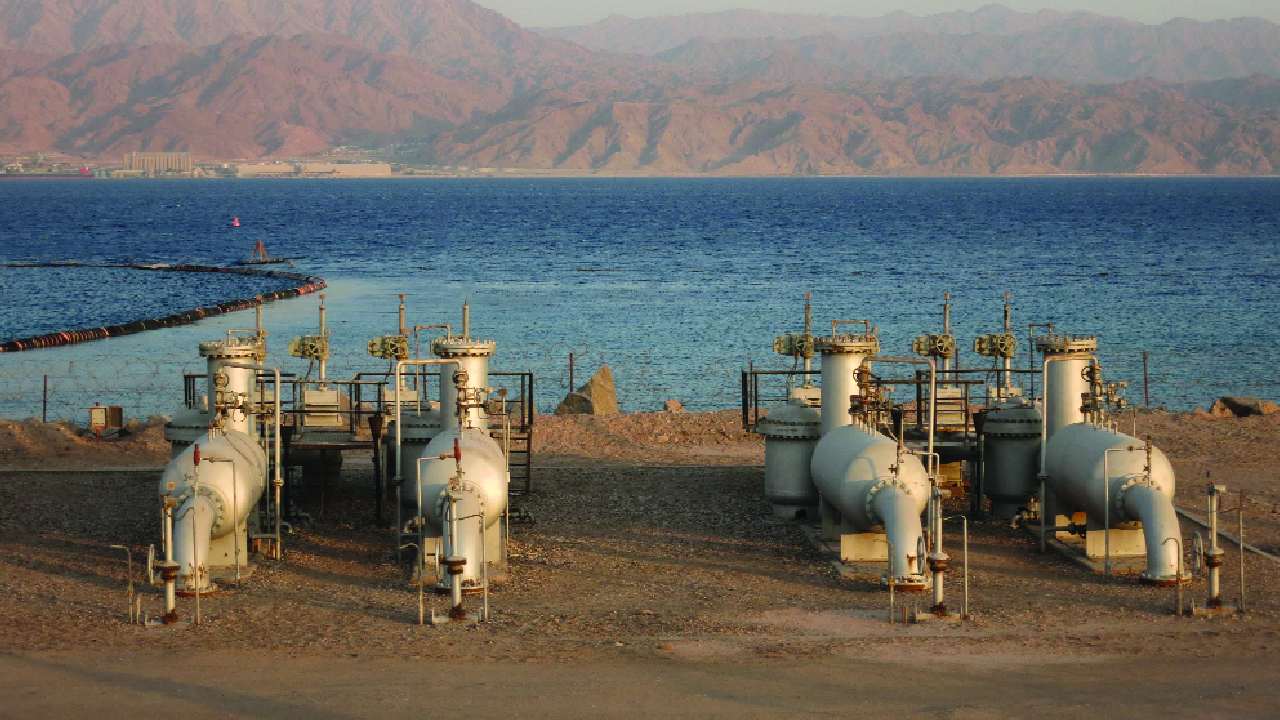
Despite the excitement about the opening of the Strait of Hormuz, which handles 20-30 per cent of oil supplies, the Middle East is doubtful about the other implications. Saudi Arabia, according to reports, has told the US to back off from the blockade because Iran may target the Red Sea choke point. Since the closure of the Strait, Saudi has used this alternate route to ship oil. In the past, Iran-backed rebels have targeted the Red Sea, and there was speculation that the same may happen before the blockade. Now, the certainty value may go up.
According to a media report, “Saudi Arabia, after weeks of disruptions, managed to get its oil exports back up to its pre-war level of around seven million barrels a day by piping its crude across the desert to the Red Sea…. Riyadh is worried those supplies would be at risk if the Red Sea’s exit routes were also closed.” This stems from further doubts that the Strait may not be completely safe, despite the US efforts, and two routes may be a more effective and smart way to ensure supplies. Iran is desperate enough to do whatever it takes to stop the US.
One of the policy advisors to Iran’s supreme leader, said in a social media post that Teheran looks at the Red Sea the way it looks at the Strait. In effect, it can close either or both the choke points. He warned that the flow of global energy and trade can be disrupted with a “single signal.” In a statement, the Iranian military stated, “If the security of Iran’s port… is threatened, no port in the Persian Gulf and the Sea of Oman will be safe.” A part of the overall costs of the blockade will quickly shift to the Middle East producers and suppliers.
Although oil prices dropped from the above-$100 a barrel to the high-$90s after the US decision to squeeze Iran’s oil, any escalations in the Red Sea, the US’ inability to defend the Strait, or attacks on friendly tankers passing through it may push up the oil prices. This will put a part of the burden on the oil buyers, including more friendlies. In essence, several nations, and not just Iran, will pay the price for the blockade. It is a case of extreme damage to both the enemies and friends, including the main protagonist and instigator, the US.
However, Trump seems clear, at least as of now, that he wants the Strait cleared and safe. He can think of the Red Sea when it turns black with damaged oil pipelines and tankers. He wants to push back Iran, as far back economically as he can. He needs to show some victories.