West Asia crisis: PM to call CMs
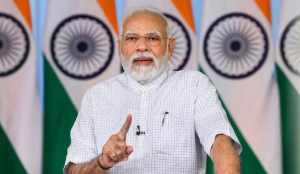
Prime Minister Narendra Modi will on Friday hold a virtual meeting with chief ministers of all States — except those headed for elections — to review preparedness amid the ongoing West Asia conflict.
The meeting aims to strengthen coordination between the Centre and States on critical areas such as supply chains, energy availability and emergency response systems. Sources said the Prime Minister will also convene a session of his Council of Ministers in Parliament the same day to brief them on the evolving situation and India’s readiness.
This will be the first interaction between the Prime Minister and chief ministers specifically on the conflict. Leaders of poll-bound States — West Bengal, Assam, Tamil Nadu, Kerala and Puducherry —will not participate due to the Model Code of Conduct. A separate review with chief secretaries of these States will be conducted by the Cabinet Secretariat.
The outreach comes as the Union Government closely monitors the potential economic and energy implications of the conflict, particularly risks to fuel supplies and inflation.Earlier this week, an all-party meeting chaired by Defence Minister Rajnath Singh was held in New Delhi to discuss the situation.
Speaking in the Lok Sabha, Modi warned that global disruptions triggered by the conflict could persist and urged the nation to remain prepared and united, drawing parallels with the collective response during the COVID-19 pandemic.
The government has constituted seven empowered groups, modelled on its pandemic strategy, to oversee key sectors including fuel, fertilisers, supply chains and inflation management. Simultaneously, India is diversifying its energy sources and securing alternative crude oil and gas supplies to ensure continuity.
Highlighting internal security concerns, the Prime Minister cautioned that disruptive elements may attempt to exploit the situation. He said security agencies are on heightened alert, with enhanced vigilance across borders, coasts, cyberspace and critical infrastructure.
Calling for restraint and vigilance, Modi urged States to act firmly against misinformation, hoarding and black-marketing, stressing the need for swift enforcement and public cooperation.
Iran allows India shipping access
New Delhi: Amid escalating tensions in West Asia, Iran has allowed “friendly nations,” including India, China and Russia, to continue commercial shipping through the Strait of Hormuz, a vital route handling 20 per cent of global oil and LNG trade. Iranian Foreign Minister Seyed Abbas Araghchi said adversary-linked vessels remain barred as the region remains a “war zone.”
The partial blockade has driven global energy prices higher, raising concerns for major importers like India. New Delhi has intensified diplomatic efforts to ensure uninterrupted energy flows, warning prolonged disruption could impact fuel and fertiliser security. The US has cautioned Iran of consequences if the waterway is not fully reopened.
No fuel shortage, Govt reiterates
New Delhi: Amid panic fuel buying, the government on Thursday assured that India has around 60 days of oil stock and one month of LPG supply, stressing there is no shortage nationwide. The Petroleum Ministry said supplies are “fully secure and under control,” dismissing claims of depleted reserves as misleading. Despite disruptions from the West Asia crisis and Strait of Hormuz constraints, India has secured alternative crude supplies and maintains stable fuel availability. “
Refineries are operating at over 100 per cent capacity, while additional LPG cargoes have been arranged. Credit support to petrol pumps has been increased to prevent local disruptions. Citizens were urged to avoid panic buying.