Vibhuvana Sankashti: A culinary expression of prayer and discipline
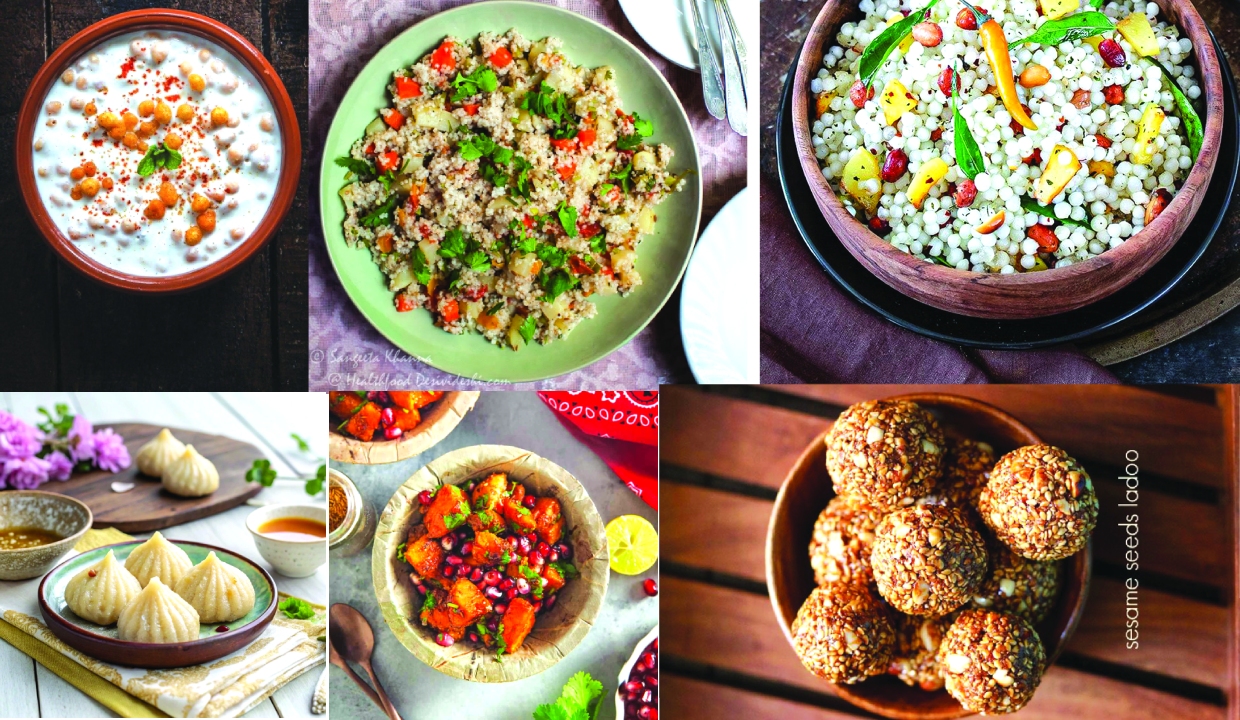
Vibhuvana Sankashti, a sacred observance dedicated to Lord Ganesha, revered as the remover of obstacles, the guardian of wisdom and auspicious beginnings, is a rare form of Sankashti Chaturthi celebrated during the spiritually significant Adhik Maas. While Sankashti Chaturthi is observed every month on the fourth lunar day of Krishna Paksha, the waning phase of the Moon after the full moon, Vibhuvana Sankashti gains a special significance because it occurs within Adhik Maas, the additional month periodically added to the Hindu calendar to align the lunar and solar cycles. Its rarity gives the occasion a heightened devotional importance, marked by fasting, prayer and self-discipline. Like many sacred occasions in Indian tradition, food on this day is more than nourishment after abstinence; it becomes an expression of devotion itself. The cuisine reflects simplicity, purity and sacred offering, where vrat preparations, milk-based dishes and Lord Ganesha’s beloved sweets such as modaks and laddoos become symbols of faith, gratitude and inner balance.
The significance of Vibhuvana Sankashti arises from the broader Hindu tradition of observing fasting and prayer as ways of seeking relief from difficulties and inviting auspiciousness into life. Over time, the observance came to acquire a distinct devotional significance, particularly because of its association with the sacred period of Adhik Maas. Across regions and communities, devotees may observe day-long fasting, visit Ganesha temples, recite sacred narratives and complete rituals connected with moon sighting before breaking the vrat. Homes and shrines are adorned with flowers, durva grass and garlands that hold special significance in Ganesha worship, while many devotees wear traditional attire as a reflection of reverence. As with many Indian sacred observances, these rituals gradually shaped culinary traditions of their own, carrying the spirit of gratitude and sacred offering. Regular grains, onion, garlic and heavy foods are usually avoided by those following a traditional fast, while ingredients such as sabudana, samak rice, rajgira, kuttu, singhara, potato, sweet potato, peanuts, milk, curd, coconut, jaggery, fruits and rock salt form the heart of the meal.
The day usually begins before the food itself. The home is cleaned, the place of worship is prepared, and Lord Ganesha is offered flowers, durva, lamps, incense and sweets. The food prepared for Vibhuvana Sankashti is first offered to the deity, then distributed as prasad, and only afterwards enjoyed by the family. The prasad itself becomes a symbol of devotion and supplication that marks the spirit of the occasion.
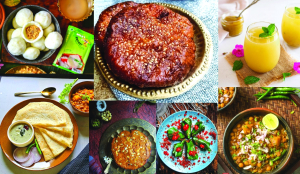
Among the most familiar savoury preparations associated with Sankashti fasting is sabudana khichdi, prepared by soaking tapioca pearls until they soften and then cooking them gently with roasted peanuts, cumin, green chilli, boiled potato and rock salt. Its success lies in patience because sabudana must be soaked with care so that the grains remain separate rather than turn sticky. Often, it is finished with fresh coriander and lemon juice, giving the dish both energy and lightness after a day of fasting. Alongside it, sabudana vada offers a more festive variation to the same ingredients. Mashed potatoes, soaked sabudana, crushed peanuts and mild spices are shaped into small patties and fried until crisp. When eaten after the evening puja with curd or a simple chutney, it provides more sustenance without breaking the rules of vrat food.
Potatoes and root vegetables occupy an important place because they offer nourishment without the heaviness of regular grains. Vrat wale aloo are usually made with boiled potatoes simmered in a light gravy of cumin, green chilli, rock salt and sometimes curd, creating a dish that is soft, warm and suitable with puris. Jeera aloo, simpler and drier, is prepared by tossing potatoes with cumin, rock salt and a little ghee, allowing the flavour of the vegetable to remain central. Dahi aloo brings curd into the preparation, making the dish cooling and gentle on the stomach.
Sweet potato and arbi deepen this savoury range. Shakarkandi chaat is made by roasting or boiling sweet potatoes, cutting them into pieces and seasoning them with rock salt, roasted cumin, lemon and sometimes a little chilli. It is sweet, tangy and filling, and it reflects the Indian ability to create festive flavour from the simplest produce. Arbi fry, prepared with colocasia sliced and cooked until lightly crisp, offers an earthier taste. In some homes it is pan-fried with cumin and rock salt, while in others it is made slightly more elaborate with vrat-friendly spices. Both preparations provide substance without excessive richness, allowing the meal to remain devotional rather than indulgent.
Where a more complete post-vrat meal is prepared, fasting grains and flours become part of the recipes. Samak rice khichdi, made from barnyard millet, is one of the most widely used substitutes for rice during fasts. It is cooked with potatoes, peanuts, cumin and rock salt until soft, and may be served with curd or raita. Its texture makes it comforting after a long day, especially for elderly devotees or those who avoid fried food. The puris prepared on the occasion also hold pride of place. Depending on regional customs and fasting practices, households prepare different varieties of puris, ranging from traditional wheat puris to vrat-friendly versions made with flours such as rajgira, singhara or kuttu. The dough is typically kneaded with water or milk, sometimes enriched with mashed potato, banana or mild spices for texture and flavour, before being rolled into small discs and deep-fried until they puff into soft golden rounds. In some traditions, sweet puris prepared with jaggery and cardamom are also made, adding a gentle sweetness to the sacred meal. Rajgira puri, made from amaranth flour and Kuttu puri, made from buckwheat flour, are some of the more popular varieties. Singhara atta paratha, made from water chestnut flour, is sometimes used as a substitute for puris and is cooked on a tawa with ghee and served hot. Together, these preparations make the meal feel complete while retaining the discipline of fasting.
The accompaniments are equally important because they prevent the meal from becoming heavy or monotonous. Peanut chutney is made by grinding roasted peanuts with green chilli, cumin, rock salt and curd or lemon, giving the plate a nutty depth. Cucumber raita cools the body and balances fried foods, while plain curd itself is often treated as one of the simplest and most sattvic supports for a vrat meal. In some homes, grated coconut, roasted cumin and fresh coriander are added to curd-based accompaniments. Such additions may appear modest, but they show the refinement of Indian fasting cuisine, where balance is created through texture, temperature and digestive wisdom.
No Sankashti associated with Lord Ganesha can be complete without the memory of modak. Ukadiche modak, especially beloved in Maharashtrian households, is made with a rice flour covering and a filling of coconut and jaggery, gently steamed until soft and fragrant. Though regular rice flour may not be used by every fasting household, the dish remains culturally connected with Ganesha as a symbol of sweetness, knowledge and fulfilment. Some families prepare vrat-friendly versions using permitted flours, while others offer modak symbolically as naivedya and keep the personal meal simpler. Fried modak gives a different texture, with a crisp outer shell and sweet filling, and is often made when the occasion is observed with a more festive household meal. The act of shaping modak by hand itself becomes a form of devotion, requiring attention, patience and care.
The sweet offerings extend beyond modak and reveal the breadth of vrat cuisine. Coconut laddoo is prepared by cooking grated coconut with jaggery or sugar until it binds into soft rounds, sometimes scented with cardamom. Til-gud laddoo brings together sesame and jaggery, creating a warming sweet that is particularly valued in cooler seasons, though it may be made at other times according to family practice. Rajgira laddoo, made from popped amaranth and jaggery, is both light and nourishing, and its crisp texture makes it a popular fasting sweet. These laddoos are not merely desserts but a source of energy, as they are made from ingredients that sustain and energize the body after long hours of fasting.
Milk-based sweets add another layer of fulfillment to the post-vrat meal. Sabudana kheer is made by simmering soaked sabudana in milk until the pearls turn translucent, then sweetening it with sugar or jaggery and flavouring it with cardamom. It is soft, cooling and easy to digest, which makes it suitable after a day of limited eating. Makhana kheer, prepared with roasted fox nuts simmered in milk, has a nutty softness and is often enriched with almonds, cashews or raisins where permitted. Shrikhand, made from strained curd mixed with sugar and cardamom, offers a creamy and cooling sweet that is especially valued in western Indian homes. These sweets are often taken after the main prasad, because they also serve the purpose of restoration.
The lighter end of the meal belongs to fruit and sacred mixtures. Panchamrit, made with milk, curd, ghee, honey and sugar, occupies an important ritual place and is received as a blessing. Fruit chaat, made with bananas, apples, pomegranate, papaya or seasonal fruit, may be seasoned lightly with rock salt and roasted cumin. Banana with milk or curd is perhaps one of the simplest vrat foods, yet it remains deeply practical because it gives energy without elaborate cooking. In many households, these foods are taken during the day by those who cannot remain completely without nourishment, while others receive them only after puja. This flexibility is part of the strength of Indian ritual culture, where discipline is honoured but human circumstance is also considered.
Beverages during Vibhuvana Sankashti follow the same principle of cooling, restoring and supporting the body. Chaas is prepared by diluting curd with water and seasoning it lightly with roasted cumin and rock salt. Sweet lassi provides greater nourishment and is often taken when the fast has been long. Nimbu pani offers hydration with lemon, water, sugar or jaggery and a small pinch of rock salt. Coconut water is valued for its natural lightness, while aam panna, kokum sherbet and bel sherbet appear according to region and season. In some homes, rose milk or simple fruit drinks are prepared for children and elderly family members. These beverages remind us that vrat cuisine is not only about what is prohibited, but also about how the body is protected while the mind remains turned towards prayer.
The fast is broken after sighting the moon, offering arghya while reciting prayers, and sharing prasad. The arghya usually centres on water, sometimes accompanied by flowers, akshat and other ritual ingredients according to family tradition. There is no display or extravagance in the arrangement, yet the plate feels abundant because every preparation carries intention. A small serving of samak rice khichdi, a spoon of dahi aloo, a piece of sabudana vada, a bowl of sabudana kheer and a single coconut laddoo can become a complete festive meal when received after reverence. The significance lies not in the variety of dishes alone but in the movement from fasting to offering, from offering to gratitude, and from gratitude to shared nourishment.
In conserving the cuisine associated with Vibhuvana Sankashti, we preserve more than a list of fasting recipes. We preserve an inherited understanding that food becomes integral to spiritual intent, a process of purification and a supplication for divine guidance. I believe such observances act also as a reminder that our culinary heritage is not built only on feasts, but also on devotion, offerings to divinity and sharing with the community. It is my belief that Vibhuvana Sankashti, rare in its occurrence and steadfast in its discipline, teaches us that the simplest meal, prepared with sincerity and received with gratitude, can itself become a form of worship.
The writer is Secretary, Cuisine India Society; Views presented are personal.