Venezuela and the return of naked imperialism
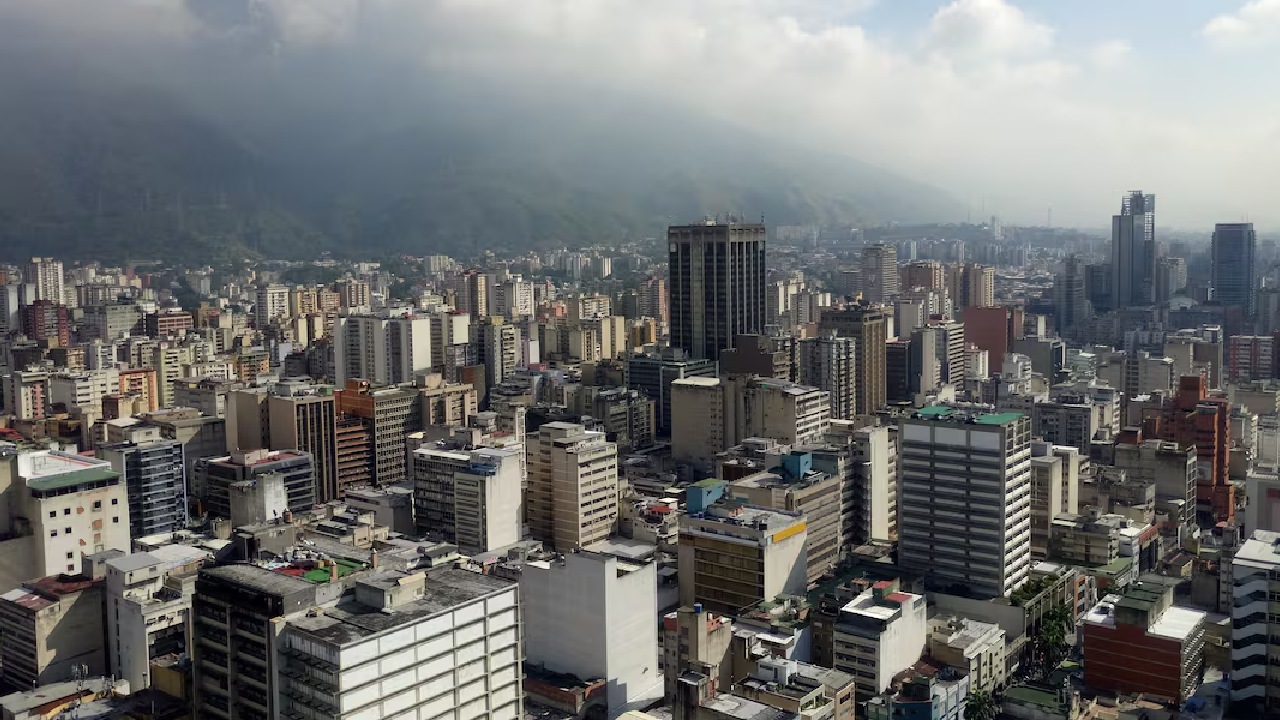
In the world of realpolitik, nothing is sacrosanct-not even the sovereignty of nations. When the United States attacked Venezuela without any provocation or immediate threat to its own existence, it became clear that little has changed over the years. Power, and the pursuit of self-interest, continues to dictate the conduct of nations. When that power belongs to a superpower, it often feels no obligation to heed global opinion or institutions such as the United Nations.
The United States’ attack on Venezuela and the capture of its president, Nicolás Maduro, cannot be justified on any grounds. Under the guise of combating “narco-terrorism” and authoritarianism, the intervention represents a blatant violation of international norms and civilised conduct-particularly ironic for a nation that prides itself on being a global custodian of democracy. In truth, the United States has a long and ignominious history of meddling in the affairs of sovereign nations. Far from defending democracy or regional stability, this action appears driven less by principle than by strategic and economic interests, most notably Venezuela’s vast oil reserves. While the US has engaged in such tactics before, this assault is unprecedented in one crucial respect: it marks the first direct US military attack on a South American country.
Uncle Sam has long played the role of the bully in the Americas. From Mexico in the 1840s to Cuba, Haiti, Brazil, Chile, Panama, and beyond, the region has borne the heavy cost of US interventions. The pretexts may change, but the underlying rationale remains the same. Such actions have been justified in the name of saving democracy from communism, stabilising nations, countering narcotics, or addressing human rights violations. The ultimate sufferer has always been the violated nation-its institutions weakened, instability prolonged, civilians subjected to hardship, and puppet regimes installed to serve American interests rather than the will of their own people. This time, however, there may be an additional factor: the erosion of US President Donald Trump’s credibility following the surfacing of his name in the Epstein files, which has further damaged his standing and stature. This intervention is not about the rule of law or human rights; it is about reasserting hegemony. Such naked aggrandisement reduces Latin America to US colony, denying nations their fundamental right to determine their own political futures. The capture of Maduro evokes memories of the 1989 invasion of Panama and the arrest of Manuel Noriega-another episode justified on drug-trafficking charges. That intervention left hundreds of civilians dead and resulted in the installation of a US-favoured government, while Panama endured long-term political and social consequences.
Claims that the US will “run” Venezuela until a “proper transition” takes place should ring alarm bells within the United Nations. What lies ahead for Venezuela is prolonged instability, fragmentation of state authority, and a future shaped by foreign interests rather than national reconciliation. The world must come together to condemn this brazen display of power and the total disregard for international law that it represents.