US-Iran peace deal to lower costs for Indian exporters: CRF
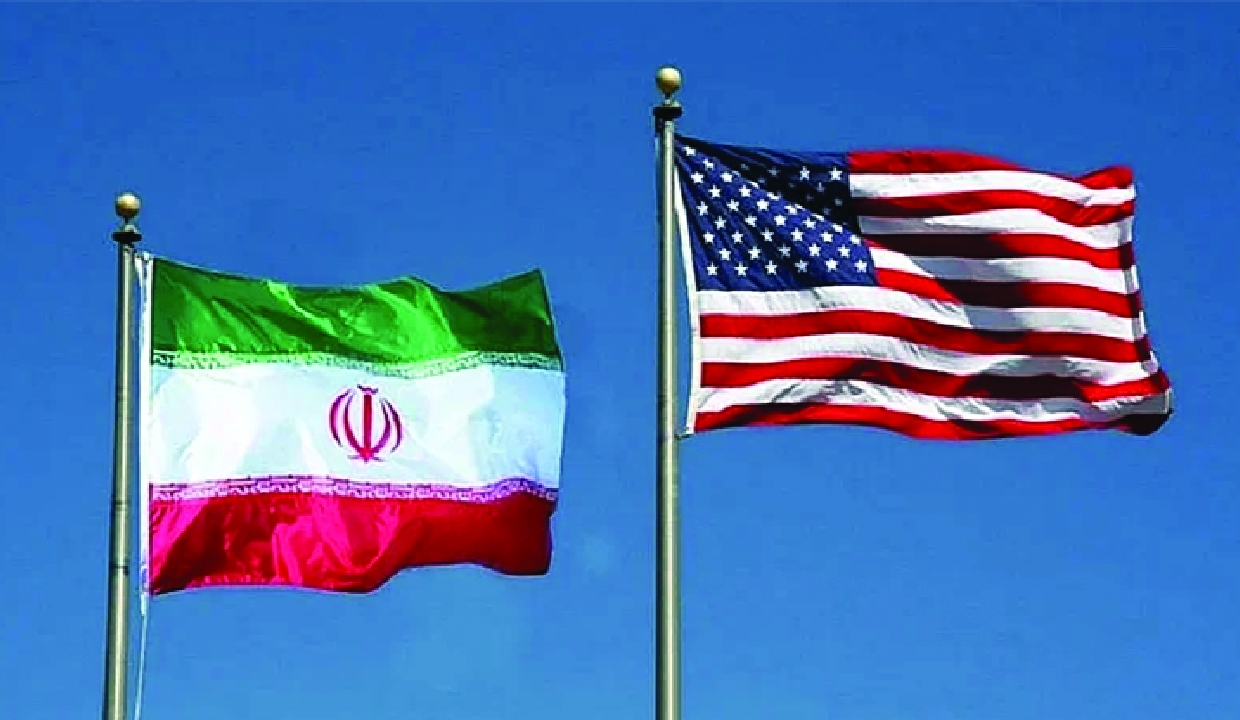
A sustained US-Iran peace deal would promote greater regional stability, helping Indian exporters through lower freight, insurance and logistics costs, while providing a more predictable environment for trade, think tank CRF said on Tuesday.
Chintan Research Foundation (CRF) President Shishir Priyadarshi said that a durable US-Iran peace agreement has the potential to significantly improve the trade and investment climate across West Asia by reducing one of the region’s biggest geopolitical risks. “For India, the benefits extend beyond lower energy price volatility. Greater regional stability would improve shipping confidence, reduce insurance and logistics costs, strengthen connectivity initiatives such as India-West Asia-Europe Economic Corridor, and create a more predictable environment for trade with the Gulf and the wider West Asia,” he said.
US President Donald Trump has announced that the US and Iran have finalised a deal to end their 107-day war, which triggered a global energy crisis. The peace agreement is scheduled to be signed on June 19 in Switzerland, according to Pakistan Prime Minister Shehbaz Sharif. Priyadarshi said the agreement is important as geopolitical stability acts as a strong catalyst for trade facilitation.
The leaders of India, European Union, France, Germany, Italy, Saudi Arabia, UAE and US announced an MOU on September 9, 2023 — on the sidelines of the G20 Leaders’ Summit — committing to work together to develop a new IMEC.
The IMEC will comprise two separate corridors, the east corridor connecting India to the Gulf and northern corridor connecting Gulf to Europe. The US-Iran conflict has severely disrupted movement of cargo ships across the Strait of Hormuz, a key narrow passage between Iran and Oman that handles roughly a fifth of global oil consumption and serves as the primary export route for major Gulf producers, including Saudi Arabia, Iraq, Kuwait, the United Arab Emirates and Qatar - all key energy suppliers to India. This disruption has led to an increase in crude oil prices, which was pushing inflation northwards.
It has affected India’s exports and imports to and from the West Asian region. The main countries of this region include six GCC nations (Bahrain, Oman, Qatar, UAE, Kuwait, Saudi Arabia), Israel, Iran, Iraq, Jordan, Lebanon, Syria and Yemen. India’s exports to the GCC nations in 2025-26 dipped 2 per cent year-on-year to $55.71 billion as against $56.87 billion in 2024-25.