Tehran targets Bahrain, Kuwait after US strikes and limits Iran's oil sales over ship attacks
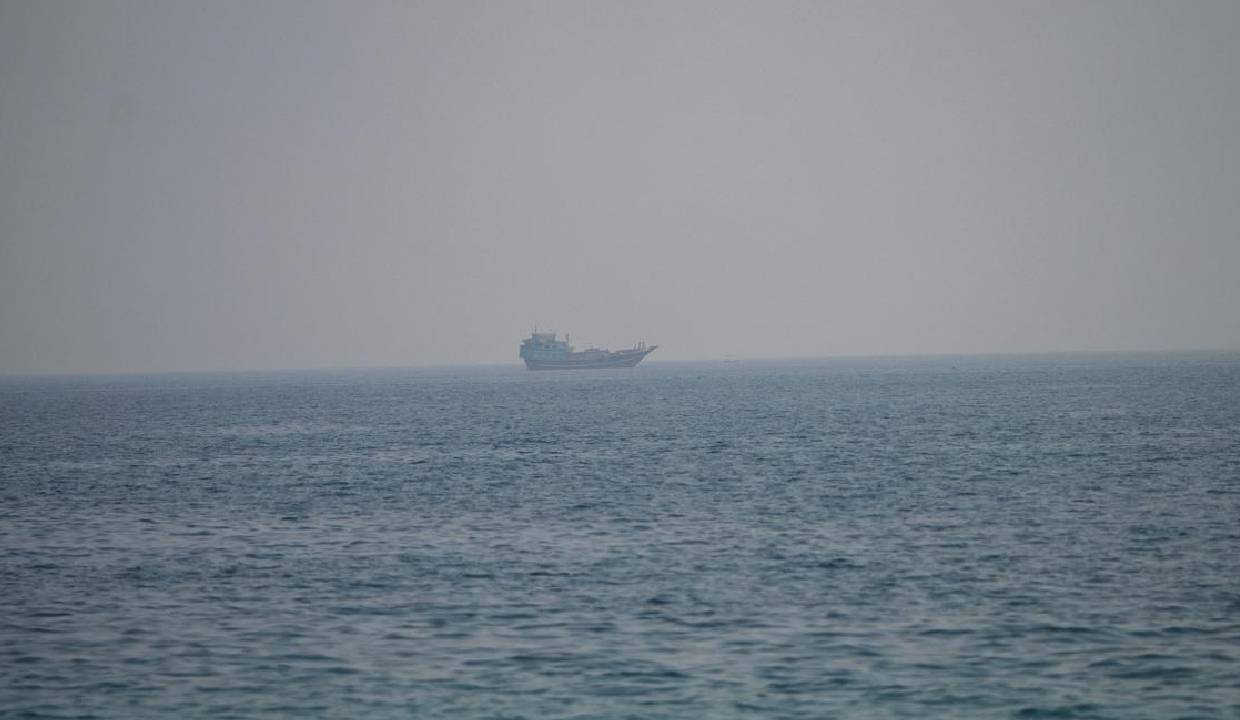
Tensions in the Middle East escalated sharply on Wednesday after the United States launched military strikes on Iran, accusing Tehran of attacking commercial vessels in the Strait of Hormuz. Iran responded within hours by targeting US military installations in Bahrain and Kuwait, raising fears of a broader regional conflict despite an ongoing ceasefire framework.
According to the US Central Command (CENTCOM), American forces carried out precision strikes on Iranian air defence systems, radar installations and more than 60 fast attack boats operated by the Islamic Revolutionary Guard Corps (IRGC). The US said the operation was a direct response to Iran's alleged attacks on three commercial ships in the strategically vital Strait of Hormuz.
"The operation was intended to impose heavy costs for targeting commercial shipping and innocent civilian crews in international waters," CENTCOM said, adding that US forces remain prepared to respond if Iran violates the ceasefire agreement again.
Iranian state media confirmed explosions in Bandar Abbas, Qeshm, Sirik, Bushehr and Bandar Mahshahr, where one Revolutionary Guard member was reported killed. However, Tehran did not immediately disclose the full extent of the damage caused by the US strikes.
In retaliation, Iran launched missile attacks targeting US military facilities in Bahrain, home to the US Navy's Fifth Fleet, and Kuwait, where American Army forces are stationed. Air raid sirens were activated multiple times in Bahrain as authorities warned residents of incoming missile threats.
The IRGC said the strikes were in response to what it described as America's violation of the ceasefire and attacks on Iranian military and civilian facilities.
"The child-killing and terrorist US army openly violated the ceasefire by attacking coastal bases and civilian sites," the Revolutionary Guard said in a statement.
The latest exchange comes amid the funeral ceremonies of Iran's late Supreme Leader Ayatollah Ali Khamenei, who was killed in an Israeli-US airstrike earlier this year. The funeral, which concludes on Thursday, had been expected to temporarily reduce tensions before fresh negotiations between Washington and Tehran resumed.
However, the renewed hostilities have cast uncertainty over planned diplomatic talks aimed at reopening the Strait of Hormuz, easing tensions and addressing Iran's nuclear programme.
In another significant move, Washington revoked a licence that had temporarily allowed Iran to openly sell crude oil on international markets under the interim ceasefire arrangement. The US decision followed the reported attacks on commercial shipping.
One of the targeted vessels, an LNG tanker sailing near Oman, caught fire after being struck, according to the United Kingdom Maritime Trade Operations (UKMTO). Iran claimed the tanker ignored official navigation warnings but stopped short of accepting responsibility for the attack. Two other ships sustained damage but continued their voyage.
The attacks have intensified concerns over global energy security, as the Strait of Hormuz remains one of the world's most critical oil transit routes.
Qatar also condemned the reported attack on its tanker Al Rekayyat, calling it an unacceptable assault on international navigation and holding Iran legally responsible.
Regional leaders expressed alarm over the latest escalation. Senior UAE diplomat Anwar Gargash said Iran's attacks demonstrated its inability to commit to de-escalation, warning that Gulf nations should not become targets of Tehran's regional strategy.
Despite the renewed violence, neither Washington nor Tehran has formally withdrawn from the ongoing negotiations, although the latest military exchange has significantly increased uncertainty over the future of the fragile ceasefire.