United in celebration, divided in spirit
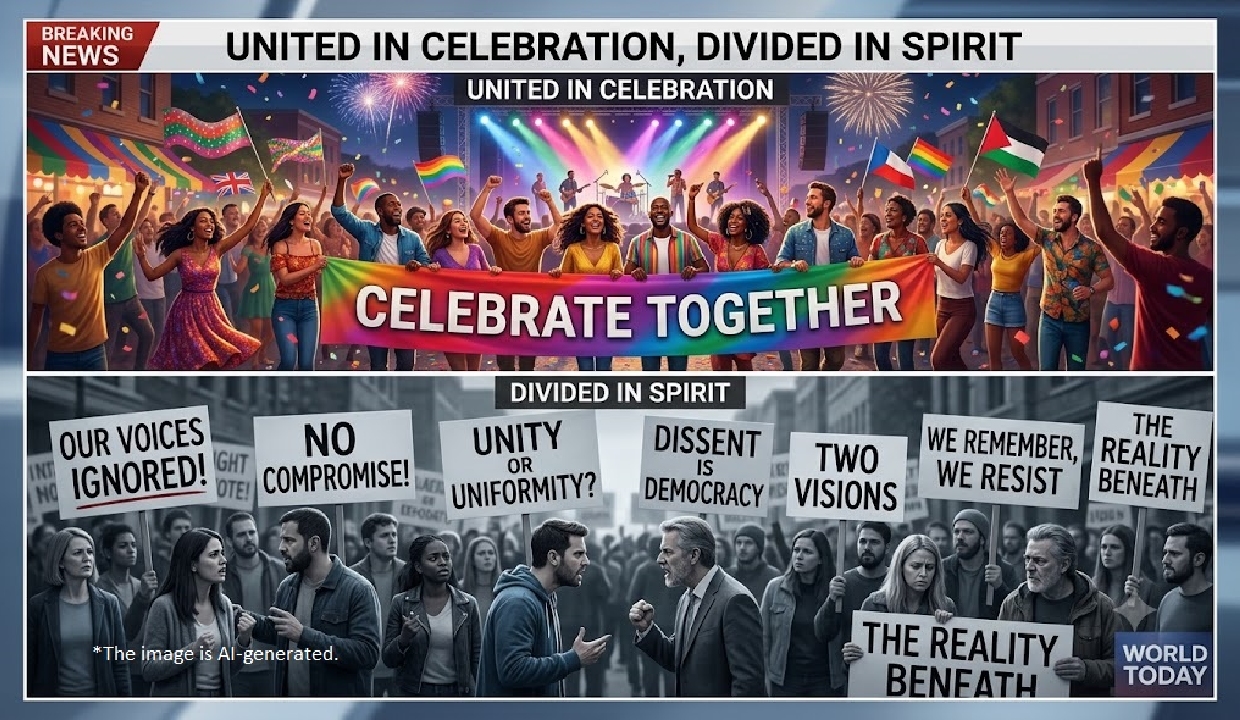
As America celebrates its 250th anniversary, the larger question is: can a nation so divided at home continue to project leadership abroad
America turned 250 this weekend, and the birthday came wrapped in fireworks, heat warnings, and a president who could not resist turning it into his own campaign. That combination — genuine national milestone, genuine logistical chaos, and unmistakable self-promotion — tells you almost everything about where the country stands as it enters its next quarter-millennium. The official festivities were real enough.
Crowds gathered on the National Mall after it reopened despite a punishing heatwave. But the anniversary’s defining image came a day earlier at Mount Rushmore, where Donald Trump delivered a speech billed as a tribute to American exceptionalism that veered, as several outlets noted, into warnings that communism poses a “mortal threat” to American liberty — an odd note of menace for a birthday toast.
It fit a pattern: at an earlier Freedom 250 kickoff in Iowa, Trump told supporters of his political opponents, “I hate them. I cannot stand them because I really believe they hate our country.”
Trump has been building a parallel apparatus — Freedom 250, a White House-created entity he personally chairs — that sits awkwardly alongside the congressionally chartered America250 commission. The Interior Department funneled at least $68.3 million in taxpayer money to the effort, while Freedom 250 solicited corporate sponsorships up to $10 million from companies like Palantir, Boeing, and United Airlines — firms that also hold hefty federal contracts.
House Democrats have called it a “hotbed of corruption”; Freedom 250 calls the charge false. Either way, a shared national anniversary has been split into two competing brands, one of them built around a single man.
Which raises the harder question the fireworks can’t hide: is any of this evidence of a country still capable of running the world, or of one too distracted by its own internal fights to notice it’s slipping?
The honest answer is that both camps have real evidence. Beijing’s leadership calls America a “fading giant,” and there’s no shortage of American commentators cataloguing debt, dysfunction, and eroding alliances to match. But the counterargument is equally solid: no rival, China included, has matched America’s combination of military reach, financial centrality, and technological depth, and polling shows Americans themselves remain divided rather than resigned about their country’s trajectory.
What’s genuinely new isn’t decline — it’s the spectacle of a leader treating a shared civic milestone as personal marketing.
Empires have survived worse than a gaudy sponsor list. Whether they survive a citizenry that no longer agrees on what the anniversary is for is a different, and much older, American question.