Time to break the Agniveer deadlock
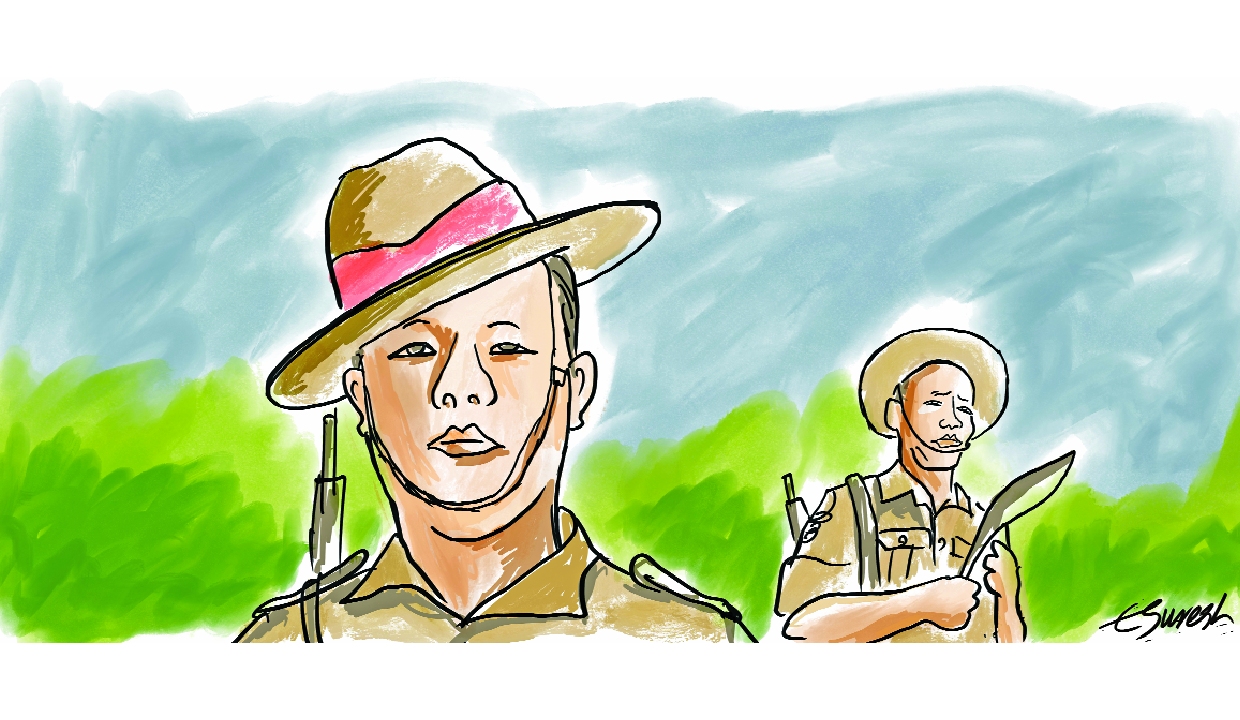
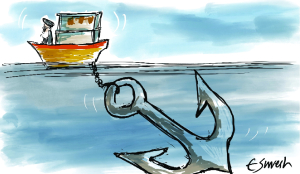
For nearly six years, the historic Gorkha connection between India and Nepal has remained caught in an unusual silence. As the Army Chief visits Nepal, a growing movement among former servicemen and political leaders is seeking to break the recruitment deadlock and reopen the door to Agniveer, in a bid to preserve the centuries-old Gorkha warrior tradition
Just as Indian Army Chief, Gen Dhiraj Seth makes his first foreign trip; to Nepal on 16 Aug, a flicker of hope is seen of Nepal Domiciled Gorkhas (NDG) being allowed to be recruited in the Indian Gorkha Brigade after a gap of nearly six years (including two COVID years) following Nepal suspending recruitment in the Agnipath scheme introduced in June 2022, Kathmandu claiming it was infringement of the 1947 Tripartite Treaty for recruitment of NDG into Indian and British Armies. Since then, only Indian Domiciled Gorkhas (IDG) and hill troops from Garhwal and Kumaon have filled up the 60 per cent annual quota of approximately 1400 soldiers from Nepal.
Neither India nor Nepal has sought to break the strategic silence over recruitment, Kathmandu viewing introduction of Agniveer as political and diplomatic breach. Further, Nepal considers the four-year service and 25 per cent retention terms of engagement as a security risk - release into the marketplace of combat-trained youth as new supply chain for insurgency-wracked Nepal following 10 years of Maoist civil war. Other dangers and disadvantages were also painted about Agniveer, seen as a bolt from the blue.
On 29 July, in an astonishing turn of events the Indian Ex Servicemen Development Committee of Lamjung, led by activist Sub Khem Jung Gurung, launched a massive movement demanding permission for joining Agniveer due to the abysmal jobs state in the country, where 2000 youth leave Kathmandu every day. A former politician, Gurung said: 'Young lads travel abroad to take up menial jobs when their centuries-old skill as Gorkha warriors is being unutilized in Agniveer'.
The movement has picked up traction all over Nepal, especially in the nursery of soldiering, Pokhara. Petitions have been forwarded to Prime Minister Balen Shah and Home Minister Sudan Gurung. On 6 August, Rashtriya Swatantra Party MP from Syangja- another warrior recruitment treasure house- Dr Dhananjay Regmi, son of a 5/9 Gorkha Rifles Indian ex-serviceman, raised the Agniveer issue for the first time in the new Parliament backing Gurung’s advocacy of Agniveer. These two events could catalyse the unarticulated urge to accept Agniveer - a sea change from the erstwhile womb-to-tomb engagement of service- because, Gurung said, "something is better than nothing".
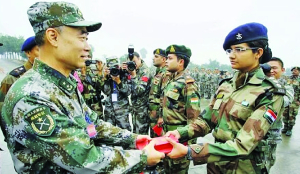
The bulk of Gen Seth’s 16 to 20 August programme is in Kathmandu, where he will be anointed honorary General of Nepal Army, a lifetime honour tracing its tradition to the legendary Field Marshal Sam Bahadur Manekshaw in 1972, who also introduced several welfare reforms including young Indian Gorkha officers getting to know their soldiers by trekking in remote areas of Nepal. Seth will meet PM Balen Shah, who is his own Defence Minister, before visiting Pokhara the Bhu Pu (ex-servicemen) citadel for a grand rally. Weather permitting, he will go to Muktinath temple where a former Army Chief, Gen Bipin Rawat, had presented bells for the temple. As no press meet is held for a visiting Chief, there is little chance of the Agniveer issue cropping up, though it could be raised during the rally in Pokhara. Seth’s reply will take cue from what follows.
Recently, former CDS Gen Anil Chauhan of 11 Gorkha Regiment said that when Agniveer was implemented, NDG were considered as Indian citizens and it was not feasible to make an exception for them, alluding to their enlistment on separate terms of engagement, adding that the decision to allow Nepali citizens to enlist now rests with Kathmandu. Chauhan could have made a special case out of it by attaching strategic significance to the bonding and reminding Prime Minister Narendra Modi of what he had said in Nepal’s Parliament in 2014: "India has fought no war where Nepali blood has not been shed". But the good Chauhan let it pass; a fait accompli. Like the voices now being heard from Nepal about maintaining the warrior legacy and centuries-old tradition of Gorkhas, no similar sentiment has been publicly expressed in India by hundreds of General-rank retired Gorkha officers, including a former Army Chief. That tells another story.
Meanwhile, last week, Foreign Minister Shishir Khanal told BBC Nepali service that 'Nepal was ready to discuss the Tripartite Treaty if it needed to be reviewed and if a formal proposal was received from India'. Khanal has pushed the ball in Delhi’s court when he knows neither side has tried to break the impasse for the last five years. Delhi’s contention is that Tripartite Treaty has not been violated. Its two key features are Recruitment and Terms of Engagement bound by 'equal treatment'. These provisions of treaty are intact. But as India claims special and unique relations with Nepal, Delhi should have followed diplomatic nicety - at least informed Kathmandu about the bolt from the blue. The truth is: India’s unilateral action is seen as unfair and Big Brother-ly. In previous Nepali governments, the Communists commanded majority in parliament and have sought to curtail Nepali citizens joining foreign armies. In the new Parliament, they are in extreme minority. There is an economic angle too. Nepal earns nearly Rs 5000 crore annually from soldiering in Indian Army and pensioners enormous benefits in India and Nepal. If Nepal keeps the door to recruitment shut, the Nepal Gorkha connection will burn out in 20 years; only pensioners will be around for another 30 years.
In February 2025, Nepal’s Supreme Court in a case over pensions of British Gurkhas pre-2009, had suggested that Nepal should negotiate new bilateral treaties with Britain and India, as Tripartite Treaty does not meet present conditions. Agniveer does not provide a level playing field for Nepal like substantial reservations for demobilized Agniveers in India in para-police, para-military and several other institutions. A smaller economy like Nepal cannot comfortably absorb the retired Agniveers. Party Chairman Rabi Lamichhane, Prime Minister Shah, Home Minister Gurung and other legislators have been made aware of the groundswell movement for joining Agniveer among the Nepali youth. Some immediate incentives from India for encouraging Nepal to greenlight Agniveer will revive a key strategic asset, make COAS Gen Seth’s visit historic and testify special and unique relations.
Nepal considers the four-year service and 25 per cent retention terms of engagement as a security risk - release into the marketplace of combat-trained youth as new supply chain for insurgency-wracked Nepal following 10 years of Maoist civil war
The writer, a retired Major General, served as Commander, IPKF (South), Sri Lanka, and was a founder member of the Defence Planning Staff, now the Integrated Defence Staff; Views presented are personal.