Towards climate resilience
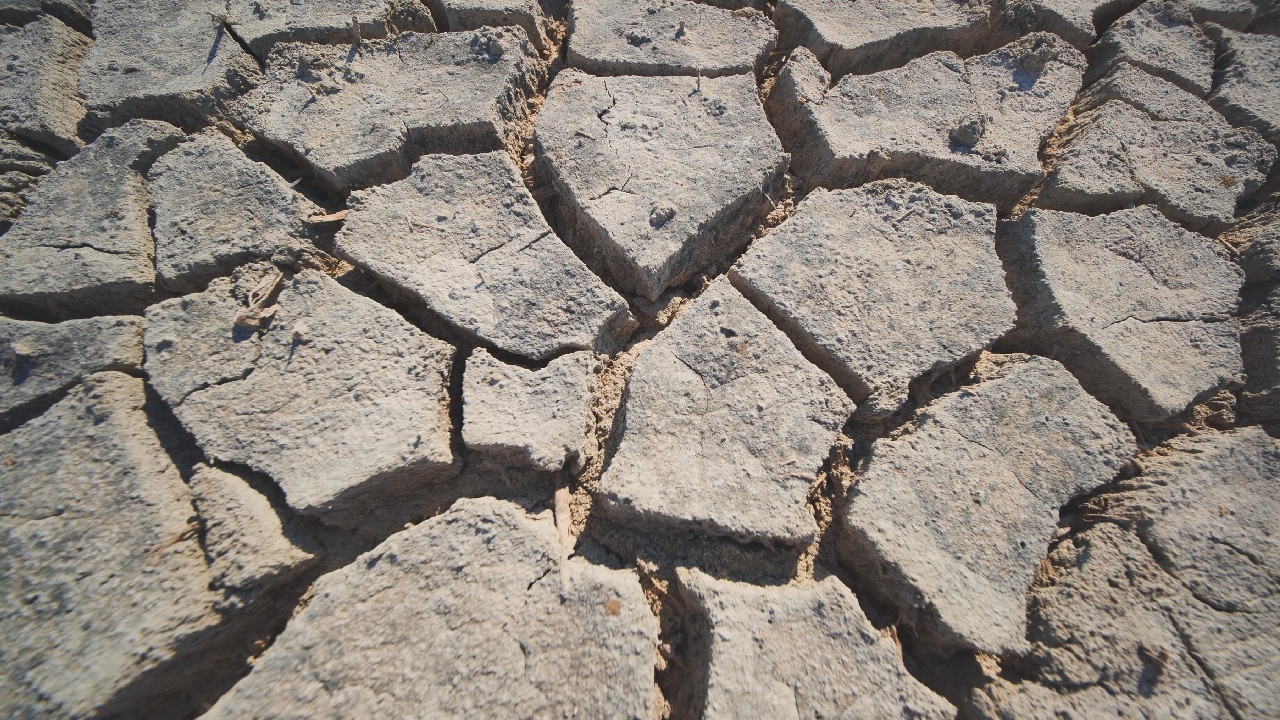
The increasing frequency and intensity of climate-induced disasters have made disaster risk reduction and climate action two of the most urgent priorities of the twenty-first century. Climate change is no longer a distant possibility but a lived reality, affecting ecosystems, economies, and human lives across the globe. Events such as floods, cyclones, droughts, wildfires, landslides, and heat waves have become more unpredictable and severe, threatening developmental progress and human security. In this context, integrating disaster risk reduction (DRR) with climate action has emerged as a powerful approach to building safer communities and ensuring sustainable development for future generations.
Disaster risk is shaped by the interaction of hazards, exposure, and vulnerability. Climate change is intensifying natural hazards by altering weather patterns, escalating extreme events, and increasing uncertainties. As populations expand into hazard-prone regions, exposure grows, and inadequate infrastructure, poverty, and limited resources further heighten vulnerability. Rising sea levels, shifting rainfall patterns, melting glaciers, prolonged dry spells, and frequent storms illustrate how climate systems are evolving. These changes highlight the need for climate-responsive strategies that consider both scientific complexities and socio-economic factors that shape disaster susceptibility. Disaster risk reduction focuses on minimizing the adverse impacts of natural hazards through preparedness, improved planning, and strategic interventions. It represents a shift from reactive approaches that rely on emergency relief toward proactive efforts that strengthen the ability of communities to withstand disasters. Effective DRR involves risk assessment, early warning systems, community preparedness, education, resilient infrastructure, ecosystem restoration, and strong governance. By encouraging safety measures before disasters occur, DRR helps reduce loss of life, safeguard livelihoods, and protect socio-economic development.
Climate action includes both mitigation and adaptation. Mitigation seeks to reduce greenhouse gas emissions by promoting renewable energy sources, improving energy efficiency, adopting sustainable practices, and preserving natural carbon sinks such as forests and wetlands. Adaptation focuses on adjusting human and environmental systems to climate impacts through climate-resilient agriculture, water conservation, disaster-resistant infrastructure, public health protection, and community preparedness for extreme weather events. Together, mitigation and adaptation support long-term environmental and societal resilience. Disaster risk reduction and climate action share common objectives centred on reducing vulnerabilities and enhancing resilience. Integrating these two domains allows for a comprehensive approach that addresses both present risks and future uncertainties. Climate-resilient infrastructure, nature-based solutions such as mangrove conservation and watershed restoration, and inclusive planning frameworks contribute simultaneously to reducing disaster risks and addressing climate challenges.
Agriculture is one of the most climate-sensitive sectors, particularly in developing regions where rural livelihoods depend heavily on natural resources. Climate extremes such as erratic rainfall, droughts, and floods threaten crop yields, food security, and rural income. Integrating DRR into agricultural planning is vital for protecting farming communities from climatic uncertainties. Climate-smart practices, crop diversification, soil conservation, improved water management, and climate-informed advisories have become essential tools for strengthening resilience.
Advancements in technology are playing a transformative role in both disaster risk reduction and climate action. Tools such as remote sensing, GIS mapping, artificial intelligence, and climate modelling enable more accurate prediction, monitoring, and planning. Modern communication technologies, including digital early warning systems, ensure timely dissemination of critical information. Drones are increasingly used for post-disaster assessment, while IoT-based sensors support flood forecasting, soil monitoring, and smart agricultural planning.International frameworks such as the Sendai Framework for Disaster Risk Reduction, the Paris Agreement on Climate Change, and the Sustainable Development Goals emphasize integrated approaches. These frameworks encourage countries to embed disaster resilience and climate considerations into policies and development planning. Governments, academic institutions, NGOs, and international organizations must work together to develop strategies that reduce vulnerability and prepare societies for climate-induced risks.
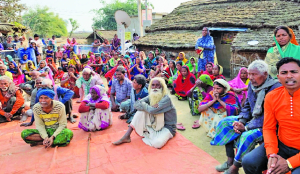
Despite progress, challenges remain. Limited financial resources, inadequate technological capacity, weak institutional coordination, insufficient community participation, and lack of localized climate data hinder effective integration of DRR and climate action. Vulnerable populations often have limited access to information and resources needed for resilience-building. Disaster risk reduction and climate action are essential for a resilient and sustainable future. As climate-related hazards intensify, the need for proactive and integrated approaches becomes urgent. By uniting DRR and climate action, societies can better withstand shocks, safeguard development gains, and ensure a safer future for generations to come.
The writer is an Assistant Professor of Agronomy, Surajmal University ; views are personal