The paradox of Iran’s enduring defiance
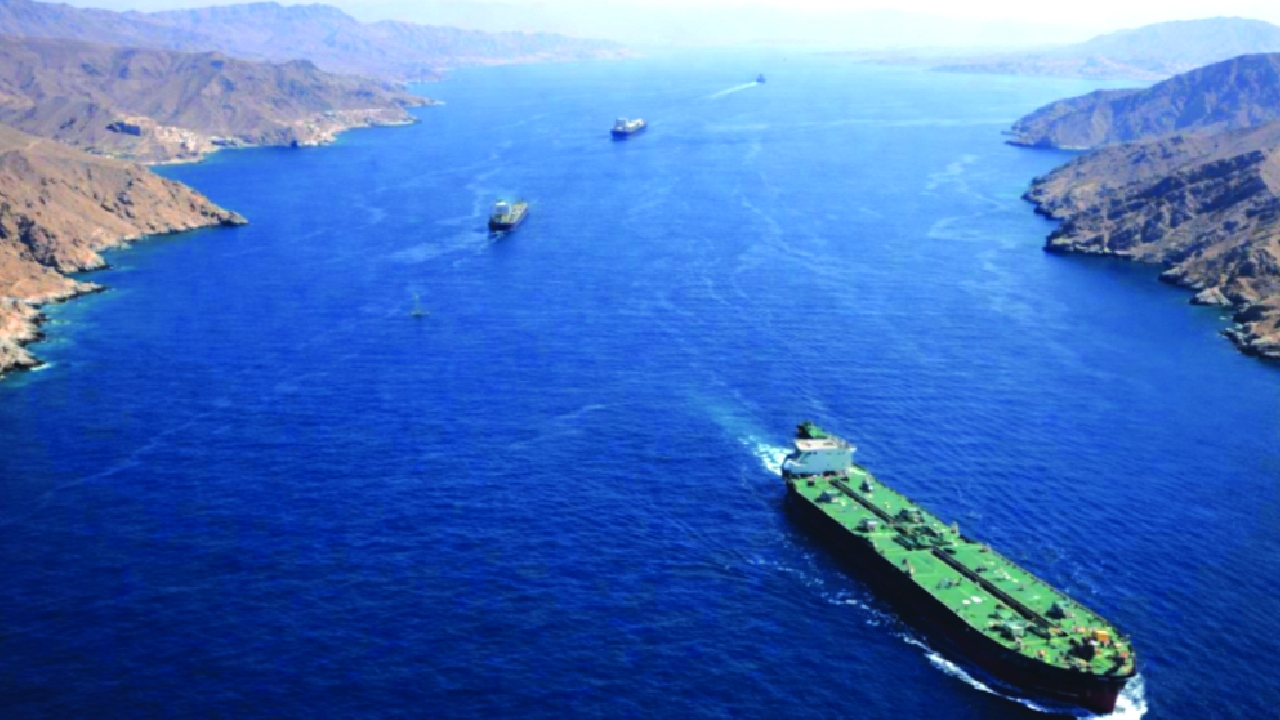
On the face of it, Israel and the United States have knocked the stuffing out of Iran. Iran’s military, nuclear, missile and even governmental infrastructure has been shredded with precision bombing. America and Israel rule the skies over Iran and bomb it at will. And yet, mysteriously, Iran manages to fire a daily barrage of missiles and rockets on US assets in the GCC countries. And not only that, Iran has closed the Strait of Hormuz and controls it. They allow through vessels of their choice, which means that they have disrupted 20 per cent of both world oil and LNG traffic. But wait, there is more. Once in a while, they loosen off a missile headed towards an apartment complex in Dubai or Bahrain just to keep all these countries on edge.
Iran might be getting decimated, but it is not collapsing anytime soon. That reality has by now sunk in both Israel and America. The hardline theological regime of the Khameneis stays firmly in place. The composed and urbane-looking Foreign Minister of Iran, Abbas Araghchi, makes daily appearances on television, speaking a surprising language of controlled defiance but reasonableness. And to top it all, the President of Iran, Masoud Pezeshkian, openly marched on the annual Quds Day along with thousands of others, challenging Israel and the US to do their worst.
So, what is the real story here? What is Iran signalling to America and the rest of the world?
Before we dive into that question, let us get a snapshot of the American position. President Trump daily extols the brilliance of the American air campaign. Yes, he is correct. The Americans have unleashed a kind of precision bombing that the world has never known or seen before. Targets in Tehran, Isfahan, Shiraz and the oil export facility on Kharg Island have been struck with impunity, some of them repeatedly. And yet President Trump’s face is creased with more worry lines than Pezeshkian’s. Petrol prices are rising sharply in America, and only a core MAGA voter base, roughly 41 per cent, supports the President’s war efforts. The rest of the country is either indifferent to this war or openly opposed to it. Republican prospects in the midterm elections in November appear to be dimming with each passing day.
What explains all this? Almost three weeks into the war, what is really going on?
It now appears that the architects who devised the world’s most sophisticated and deadly air campaign allowed themselves to be beguiled into the belief that a relentless clobbering from the air would force Iran to its knees and it would quickly capitulate. They forgot a basic fact. Iran is half the size of India, much of it mountainous, and its population density is almost one third that of the United States.
Air campaigns can at best degrade the enemy, but they cannot vanquish it. You need boots on the ground to finish the job. If President Trump is thinking of that option, then surely his advisers would have briefed him about a similar initiative in 1980 which ended in tragedy for America and put the Jimmy Carter presidency on notice. Then the objective was a daredevil rescue mission to free 53 American hostages held in Tehran. A helicopter and a transport plane collided in that mission, and eight US servicemen were killed. The mission failed, and Jimmy Carter’s presidency went into terminal decline after that.
So the pertinent question is: despite Iran being bombed to the Stone Age, how is it that they are still calling the shots?The answer to this vexed question is simple. You can start a war, but you must know when and how to end it.
Take India’s example in matters of warfare. We started Operation Sindoor at a time and place of our choosing. We ended it in the manner of our choosing. We were crystal clear about our objectives when we went in for that short, intense conflict. We wanted to punish the planners and perpetrators of the Pahalgam massacre. We wanted to degrade Pakistan’s air power assets. We did both.
Remember, even at that time there were many voices in India that wanted us to liberate PoK (Pakistan-occupied Kashmir) and teach Pakistan a lesson for eternity. But we knew it was time to end the war. Continuation of the conflict could have left us in a war quagmire.
The concept of a short, sharp war unfortunately is lost on America. They tend to get bogged down in conflict. It happened in Vietnam from 1955 to 1975, then it occurred in Iraq from 2003 to 2011. It happened again in Afghanistan in 2001 and lasted a good twenty years till 2021. And now it could be happening again in Iran in 2026.
Their recent action in Venezuela was not a war. It was more of a targeted Special Forces strike with clear objectives in sight. And that is why it was supremely successful.It is entirely possible that the Iranians knew what was coming their way and were well prepared to deal with it. I do not think the Iranians were caught napping in the pre-war talks with the Americans. They knew Israel and America would attack them at some point in time. They knew they would soon lose control of their skies and that their major military and infrastructure targets out in the open would be targeted. The Americans and Israel, hunting in pairs, would go after their missile launchers and nuclear sites.
I believe they factored in that loss. Think about it. If the Americans evacuated their air bases in the GCC countries before Iranian drones hit them, would it not stand to reason that the Iranians also moved their missile launchers underground? The underground would have a special connotation for Iran. Their missiles, drones and launchers would have been moved to underground locations. After all, it was Iran that earlier supplied basic technology to Hamas to create tunnels in Gaza when the Israelis came hunting. Why would Iran not have a more sophisticated underground defence system installed for itself?
Probably they created a highly mobile system that enables them to move launchers from place to place to escape detection. That explains their continuous attacks on GCC countries’ infrastructure.
Even then, the shock and awe of the initial bombing run by American and Israeli forces stunned the Iranians. The successful assassination of the Ayatollah seared the Iranian body politic. Despite all their preparations, the Iranians were dazed and numbed. That was the best opportunity for the US to realise its objective of regime change. The Iranians were reeling. The Ayatollah’s death galvanised protesters in Iran who hated the spiritual leader. If America had curtailed its bombing plans and allowed the indigenous protest movement to grow and topple the regime, then a different story might have unfolded. The momentum was with America. But Israel had other ideas. Regime change was only an initial step for them. They really wanted to dismember Iran into pieces so it would never pose a threat to them again.
For reasons unknown, America went along with this thinking. The bombing runs were intensified, and a girls’ school was bombed, for which no one has claimed responsibility. A turning point was reached; the old dynamics of the Middle East set in. It soon became a David versus Goliath situation. The tyrannical Iranian regime started to gain worldwide sympathy. Even Iranian protesters who had celebrated the Ayatollah’s death on the first day withdrew. Since then, they have preferred to lay low and keep quiet, not so much out of fear of intimidation from the Iranian authorities but because they could not bear to see their country torn apart.
In a strange way, the continuous American action on Iran has stabilised a tottering, unpopular regime.
The IRGC and the remaining Iranian establishment quickly recovered from the initial shock and awe phase and resorted to asymmetric warfare. History is replete with examples of how proponents of asymmetric warfare eventually win. In the sixties and seventies, the Americans bombed every nook and corner of Vietnam. Even then, their air power was the most formidable in history. Despite all that and the use of deadly chemicals like Agent Orange, the Vietnamese, with barely enough to eat, sporting simple sandals and carrying the ubiquitous AK-47, eventually prevailed and won.
The Iranians are doing something similar. They are waging asymmetric warfare from underground locations. They know perfectly well that it does not require a navy to close the Strait of Hormuz. IRGC fighters equipped with assault rifles, rocket launchers and underwater drones could do that.
There are no easy options left for anyone in this war. If America pulls out now, the Iranians will fill the vacuum and terrorise the GCC states even more. They are already controlling the oil flow of GCC countries through the Strait of Hormuz. If America prolongs the war, fuel prices will rise further in the US, stagflation could set in, and more body bags would be shipped home. The US President might then as well kiss the midterm elections goodbye.
Iran knows it will take years to rebuild from the devastation it has suffered. No more nuclear plans or state-of-the-art missile development for now. But it will carry on with asymmetric warfare, probably using it against GCC countries to pressure them and force them to help rebuild Iran in the future.
Besides other things, the bombing of Iran has laid to rest fond memories of our ex-nonaligned warriors in India and other parts of the globe. BRICS — the new avatar of the old Non-Aligned Movement — is signalling that it is every country for itself, and the global south can unite but only in television debates. India knows all this and, disregarding the white noise of opposition politicians, is striking deals with Iran separately to secure its energy security through the Strait of Hormuz. An amazing footnote in this bloody war is the commendation India has received from all three combatants in this war — America, Israel and even Iran. They all call India “a trusted partner”. Surely, we must be doing something right to deserve this. But the future is bleak. As investors worry about the future of GCC countries, their economies could tank, Indian workers could be laid off in the Gulf, and remittances from our workers could dry up.
Look at it any which way. It is a lose-lose scenario all the way. The low moan of the foghorn of loss and defeat is heard all the time. The sweet, resonating bell of victory has not been heard even once.
The writer is a veteran television journalist, author and geopolitical commentator. He is known for his views on global power shifts, intelligence history, India’s national security architecture and contemporary geopolitical flashpoints ; views are personal
Leave a Comment
Comments (1)
Quite convincingly analysed why the war is not ending.