The forgotten Nandi: Unsung hero of India’s dairy sector
Milk occupies a unique place in human nutrition, serving as a vital source of high-quality animal protein and a wide array of essential nutrients. India has emerged as the world’s largest producer of milk, contributing nearly one-fourth of global output. The dairy sector supports the livelihoods of more than eight crore farmers, most of whom are small and marginal producers who depend on dairy as a stable source of daily income.
Women play a particularly crucial role in this sector. From feeding and caring for animals to collecting and marketing milk, women form the backbone of rural dairy operations.
One of the key programmes driving this transformation is the ‘Rashtriya Gokul Mission,’ which focuses on breed improvement and genetic upgradation of indigenous cattle. Alongside this, the Livestock Health and Disease Control Programme has strengthened veterinary infrastructure, including the deployment of Mobile Veterinary Units that deliver diagnosis, treatment, vaccination and minor surgical services directly at farmers’ doorsteps. Such doorstep services are particularly valuable for small farmers who often lack access to veterinary facilities.
Innovative approaches are also emerging in livestock healthcare. The integration of Ayurveda and Ethno-Veterinary Medicine offers low-cost, eco-friendly alternatives for managing animal diseases while reducing dependence on antibiotics. Their application in conditions such as bovine mastitis has shown encouraging results, promoting healthier animals and more sustainable dairy practices. A renewed push to strengthen the sector has come with the launch of the Standard Operating Procedure for White Revolution 2.0. Announced in September 2024 and formally rolled out in December 2024, the initiative envisions a five-year mission extending from 2024-25 to 2028-29.
Its goal is to expand milk procurement, reinforce cooperative institutions and generate greater employment opportunities in rural areas, particularly for women.Under the programme’s roadmap, daily milk procurement through dairy cooperatives is expected to rise significantly.
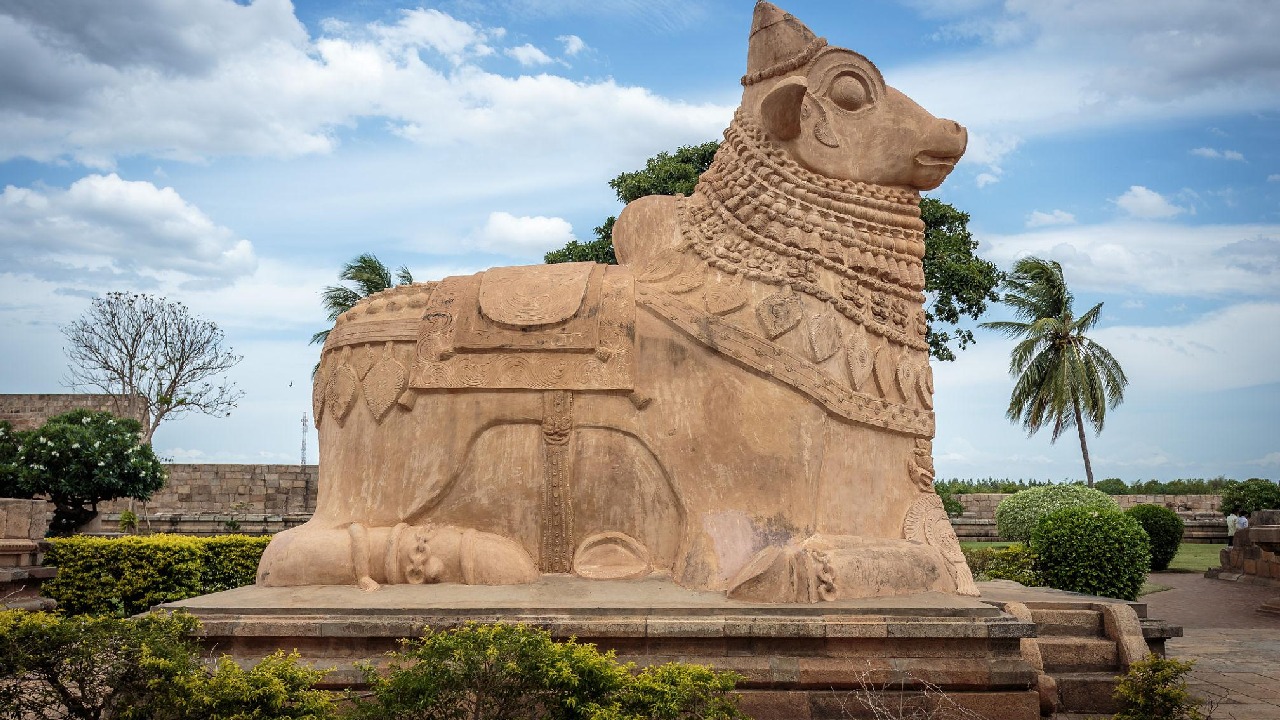
In reality, the genetic potential and productivity of an entire herd depend heavily on the quality of the bull used for breeding. Just as in Indian cultural symbolism the sacred bull Nandi represents strength and fertility, the breeding bull in modern dairying plays a silent but decisive role in determining milk yields and herd improvement. Artificial insemination has emerged as one of the most powerful scientific tools for enhancing dairy productivity. By enabling the use of superior genetic material, artificial insemination helps improve milk yield, fertility and overall herd quality. Currently, about one-third of India’s breedable cattle and buffalo population is covered under artificial insemination services. However, many animals are still bred through unselected local bulls, which limits long-term genetic improvement.
The National Artificial Insemination Programme has significantly expanded access to organised breeding services. Free doorstep artificial insemination is being provided in several districts, reducing costs and making scientific breeding accessible to small farmers. Millions of inseminations are now carried out annually, benefiting a vast number of livestock owners across the country. Advanced reproductive technologies are further accelerating progress. In-vitro fertilisation laboratories have been established to multiply elite germplasm, while sex-sorted semen technology allows farmers to increase the probability of female calf births.
Since milk production depends on female animals, the ability to produce more female calves directly strengthens the future dairy base.The genetic importance of bulls becomes even clearer through progeny testing, a scientific method that evaluates a bull’s worth by analysing the performance of its daughters. Through such programmes, superior bulls are identified and their genetic material is widely disseminated. Over successive generations, a single elite bull can influence a large portion of the herd’s genetic makeup, significantly improving productivity.
Modern science has also deepened our understanding of male fertility. Sperm is now known to carry not only genetic material but also molecular signals that influence embryo development and offspring health. Advanced techniques such as Computer-Assisted Sperm Analysis and emerging molecular tools are helping scientists assess breeding potential with far greater accuracy.India’s dairy success story, therefore, is not written by cows alone. It is shaped equally by bulls—the silent genetic engines that drive productivity and herd improvement. Recognising their importance and investing in scientific breeding, superior germplasm and modern reproductive technologies will be essential for sustaining the next phase of India’s dairy growth.
The future of the sector will depend not only on better milk production but also on the careful nurturing of the genetic foundations that make that production possible.
The writer is Scientist, Odisha University of Agriculture & Technology, Odisha.; views are personal