The dangerous paradox of human-animal interaction
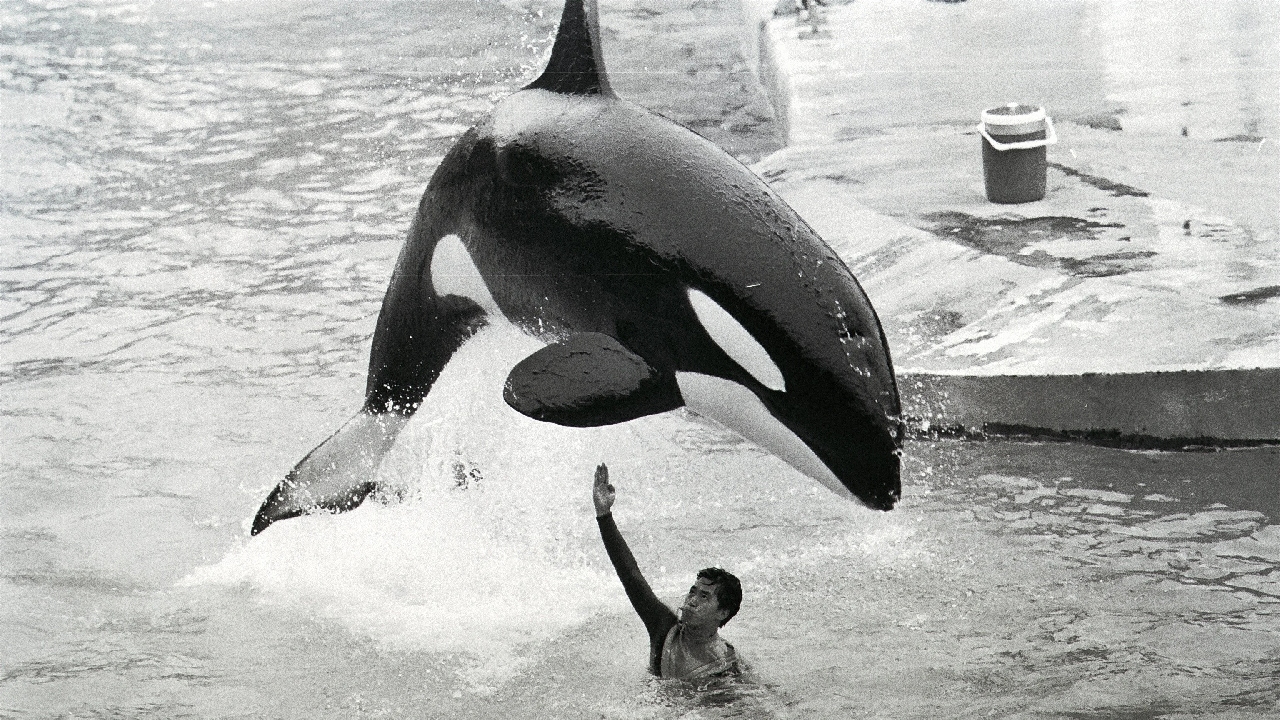
The tragic story of Tilikum, a captive killer whale featured in the documentary Blackfish (2013), shocked the world and continues to raise uncomfortable questions about how humans treat wild animals. Tilikum was involved in the deaths of three people, including experienced marine trainer Dawn Brancheau, and became a powerful symbol of the consequences of keeping such animals in captivity. The documentary showed how confinement, isolation and forced performances can damage animal psychology, leading to stress, frustration and sometimes dangerous behaviour.
Another tragic incident occurred in India on March 20, 2026, when a young veterinarian, Dr Sameeksha Reddy, was killed by a pregnant hippopotamus during a late-night check-up at a safari park in Karnataka. The animal had reportedly stopped eating for days — a condition sometimes normal during pregnancy — but suddenly became aggressive. This incident highlights a critical reality: even routine veterinary care can turn dangerous when animals are stressed, vulnerable or undergoing physiological changes.
Veterinarians and animal handlers work in high-risk environments, closely interacting with animals under unpredictable conditions. Nearly 46-50 per cent of occupational hazards in veterinary practice are due to physical injuries, while over 40 per cent of veterinarians have reportedly experienced at least one zoonotic disease during their careers. These risks reflect a wider global issue. Each year, around 2.93 million people die from work-related causes.
However, risk does not arise from interaction alone, but from how it is managed. Well-managed human-animal relationships can improve welfare, reducing stress and enhancing reproduction in species like rhinos and leopards, while benefiting elephants and handlers. The goal is not to avoid interaction, but to ensure it is informed, respectful and scientifically guided. Yet, a deeper contradiction persists — the “Lennie Small paradox”, inspired by John Steinbeck’s Of Mice and Men, where harm arises from affection without understanding. In the novel, Lennie unintentionally harms the creatures he loves due to a lack of awareness and control. Similarly, humans often harm animals despite good intentions. Efforts to connect through zoos, aquariums and domestication may lead to suffering when animals are removed from natural environments and their biological and behavioural needs are unmet.
Captivity itself presents serious challenges. Animals adapted to vast territories are confined to limited spaces, restricting movement and natural behaviours. This often leads to frustration, boredom and psychological distress, sometimes resulting in aggression. In the wild, animals can avoid conflict by moving away from threats or establishing territories. Captivity removes this choice, forcing animals into close proximity with humans or other animals, which can escalate tensions. Human error is another important factor. Routine activities such as feeding, cleaning and training require close contact, and even experienced handlers can misinterpret animal signals, leading to unintended provocation.
Numerous incidents reinforce this reality. Beyond Tilikum, attacks involving tigers, elephants and primates demonstrate that no wild animal is entirely predictable in confined environments. There have been multiple cases of panda attacks in captivity, challenging the perception of these animals as harmless. These examples reinforce the idea that captivity alters behaviour in ways that can be dangerous for both animals and humans.
Preventing such incidents requires a comprehensive approach. Enclosure design must prioritise adequate space, natural elements and environmental enrichment to allow animals to express instinctive behaviours. Providing hiding spaces and reducing unnecessary human contact can lower stress levels. Proper health management, including quarantine and monitoring, is essential. Equally important is staff training — handlers and veterinarians must understand species-specific behaviour, safe handling techniques and emergency protocols. Regular safety audits and the use of protected contact systems can further minimise risk.
Ultimately, the lessons from these tragedies extend beyond individual cases. Whether in marine parks, zoos, farms or veterinary settings, the principle remains the same: respect the nature of animals and prioritise safety. Good intentions alone are not enough; they must be supported by knowledge, planning and responsibility. The deaths of individuals like Dawn Brancheau and Sameeksha Reddy serve as stark reminders of the risks involved in working with animals and the consequences of overlooking those risks. At the same time, they highlight the urgent need for better systems, stronger policies and greater awareness. Protecting both human lives and animal welfare is not a choice between two priorities — it is a shared responsibility that demands careful balance, scientific understanding and continuous improvement.
The writer is Scientist, Odisha University of Agriculture & Technology; views are personal