The architecture of nostalgia
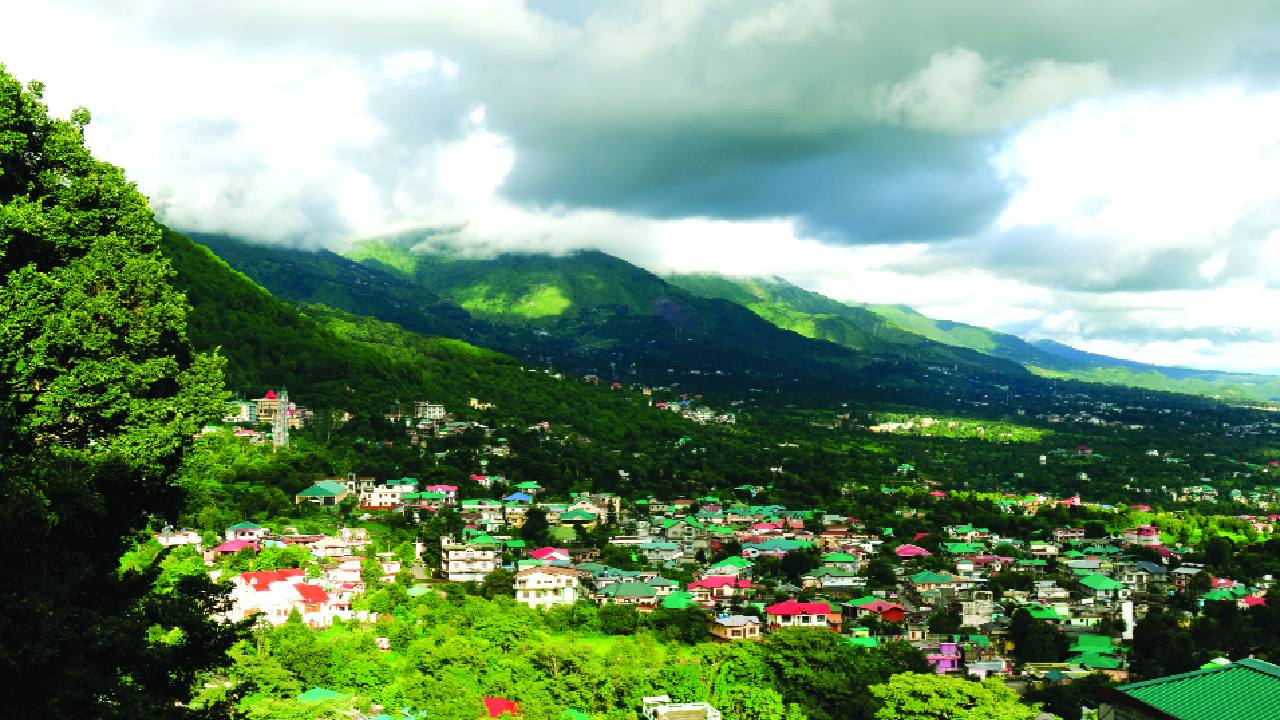
Ruskin Bond hit ninety with his wits slicing clean like a hill gust. The Ghosts of Indian Small Towns: A Journey Through Time skips the dry place-by-place rundown. Instead, it’s him leaning in close, chatting about an India fading fast under our noses. Picture yourself on a sagging wooden chair in Landour, an old pal gesturing at phantom buildings that used to lord over the landscape.
In my view, it’s among our decade’s essential reads. Who has not stayed in a thronged bazaar, struck by ghosts of its former stillness? Is it possible that megacities act as giant machines that swallow the greenery people once loved? Bond forces us to confront these questions without being preachy.
The book opens with a stark observation about how humans huddle together. Bond watched villages swell into towns and towns bloat into concrete jungles. He points out a sad irony. While cities never become ghosts, the rugged hills now feature many ghost villages. Folks chase the city’s shaky highs, letting old family places fall apart in the rains. To me, it’s this deep, steady ache for a life we ditched way too fast.
A town represents a specific identity. To Bond, a place finds definition through its old institutions. He takes the reader back to the glory days of railway stations and the thrill of the darkened cinema hall. Anyone raised in a small town remembers the samosa aroma and those plush local cinema seats - they get under your skin. Bond contrasts that spark in the atmosphere with the bland, pricey vibe of modern multiplexes. It is a small detail that says a great deal about how social lives lost their warmth. I truly believe we have traded community for convenience, and Bond catches us red-handed.
Nature is a big part of this book, but the stories are mostly sad. Bond tells us about leopards that walk right into wedding tents or houses because their forests are gone. He finds it a bit funny to imagine a leopard stuck in a lady’s dress, but the real point is very serious. Humans took over their land. These creatures now hang at our thresholds, bellies empty. Dead-straight view, he skips blaming the beast and points squarely at our greed.
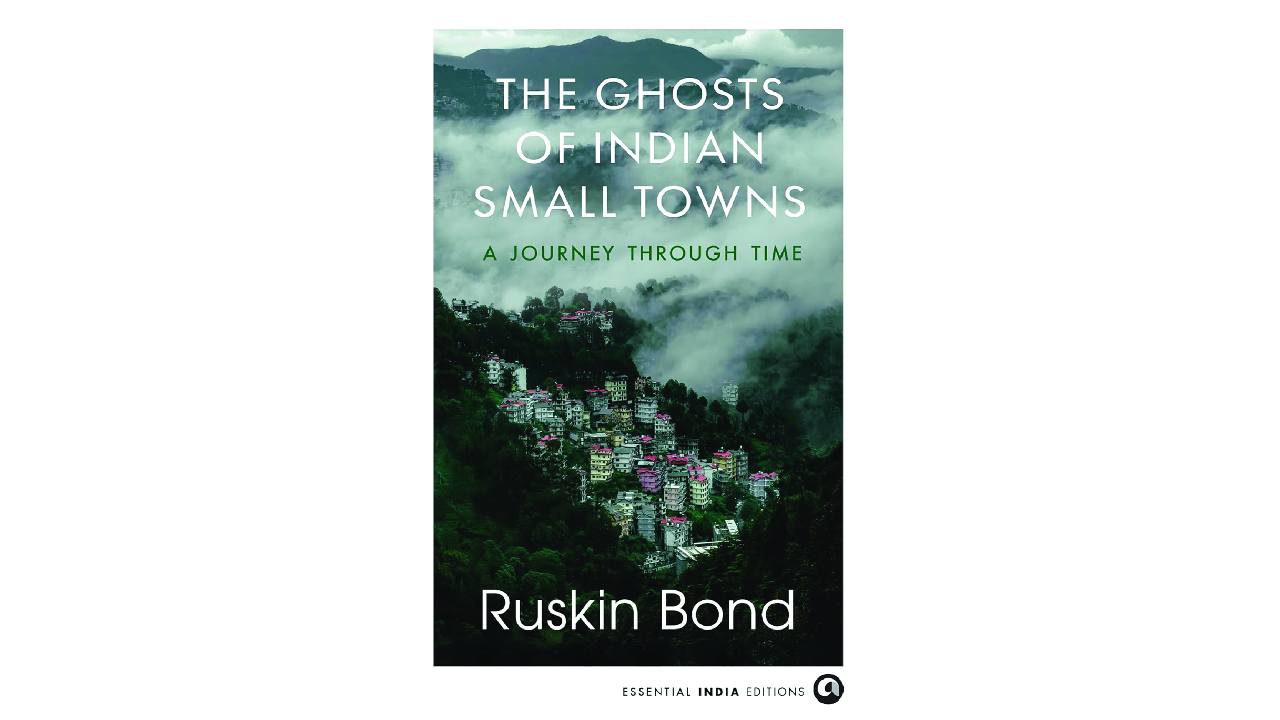
The author closes with the ‘Queens of the Hills’ — Shimla and Mussoorie —candid about their weathering and need for a touch-up, yet brimming with love. The book stands as a gentle, final tribute to India’s fading serene corners. It tells the reader that even when concrete and buildings take over a town, the real spirit of that place stays alive in the stories we tell.
Bond has written a tribute that feels very real and is not bitter at all. It is an important read for anyone who still misses their small-town childhood. In a world that is always obsessed with what is coming next, author shows us that our roots are the only things keeping us standing.