Compliance burden to competitive advantage: India’s smart environmental regulation
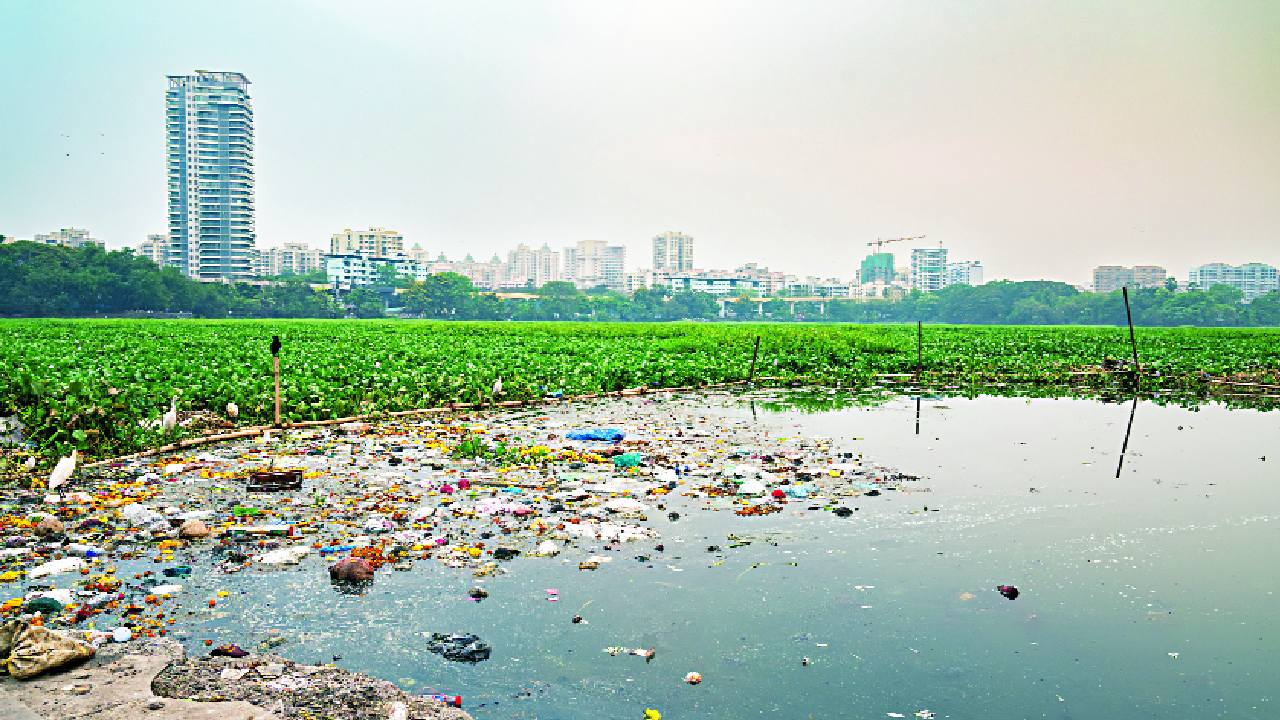
The environmental impact of economic activities serves as a clear example of negative externalities that the market fails to account for. Regulations aim to correct this issue by internalising these externalities, which involves assigning obligations, limits, or prices to the unaccounted impacts. This approach ensures that the full social cost is taken into consideration during decision-making. Well-designed regulations not only address societal impacts but also provide clarity and predictability for economic agents. However, achieving this delicate balance requires adaptability and responsiveness.
The 1972 Stockholm Declaration laid the groundwork for pollution control in India, leading to the introduction of the Water (Prevention and Control of Pollution) Act in 1974 and the Air (Prevention and Control of Pollution) Act in 1981. The Bhopal Gas Tragedy highlighted the urgent need for regulatory action, leading to the establishment of a command and-control framework to inspect facilities, issue permits, and enforce compliance through penalties and prosecutions. The Environmental Impact Assessment (EIA) Notifications in 1994 and 2006 further institutionalised proactive environmental regulation by mandating prior clearance for specific projects. While these mechanisms are designed to protect the environment, the framework has created a complex web of obligations, necessitating numerous permits and clearances to start and carry out business activities. The approval process grapples with significant practical hurdles, such as delays and inefficiencies, resulting in higher transaction costs for industries. These issues impose significant criminal liabilities that can deter businesses and investment, all without providing commensurate benefits.
However, in recent years, India has begun to shift gears, redefining environmental regulation not as a barrier to business growth but as a catalyst for enhancing business performance, all while ensuring measurable environmental benefits. The current environmental regulations are integrating technology, law, and incentives to achieve compliance more efficiently, with reduced compliance costs, shorter timelines, and greater emphasis on innovation. The shift towards trust-based environmental governance is being achieved through rationalisation, transparency and predictability.
The Jan Vishwas Act represents a significant shift in regulatory philosophy by decriminalising certain offences, thereby adopting a trust-based approach that effectively differentiates between inadvertent lapses and wilful violations. This Act aims to foster a more constructive relationship between regulatory bodies and industries. Alongside this, the introduction of differentiated responsibilities for green cover requirements tied to industries’ pollution potential aims to ensure that environmental regulations are both fair and effective. These revised green cover norms have the potential to significantly impact businesses’ fixed costs.
Certified third-party environmental auditors have been brought into the framework to enhance transparency and accountability, adding an extra layer of credibility to the monitoring process.
Furthermore, the establishment of uniform consent guidelines under the Air (Prevention and Control of Pollution) Act, 1981, and the Water (Prevention and Control of Pollution) Act, 1974, has significantly streamlined the consent mechanism for industries across all states and Union Territories (UTs). By allowing State Pollution Control Boards (SPCBs) to process a single, common application for approvals, the initiative effectively reduces procedural delays that previously hindered industrial operations. Once the Consent to Operate is granted, it remains valid indefinitely unless officially cancelled, thereby alleviating the operational uncertainties associated with the delays often linked to the renewal of such consents.
In addition, the movement towards circular-economy governance is crucial to redefining waste management in India, promoting the view of waste as a valuable resource to be recovered and reused rather than simply disposed of. The Circular Economy Action Plans introduced in 2020 cover 10 distinct waste categories, each with specific recycling targets and timelines for infrastructure development.
This proactive approach not only focuses on increasing recycling rates but also on establishing robust waste management systems. Central to these efforts are Extended Producer Responsibility (EPR) frameworks, which require manufacturers to design their products with end-of-life considerations. Coupled with centralised digital tracking portals, these frameworks facilitate comprehensive monitoring from product manufacture through to end-of-life recovery, ensuring responsible handling and minimising waste.
One of the most significant innovations is the single-window portal known as “PARIVESH” (Proactive and Responsive Facilitation by Interactive and Virtuous Environmental Single-window Hub), which facilitates clearances for Environment, Forest, Wildlife, and Coastal Regulation Zones. Launched in 2018, this digital platform has undergone numerous modifications to reduce administrative hurdles. The latest version, PARIVESH 3.0, has greatly enhanced transparency, predictability and administrative efficiency by integrating baseline environmental data, compensatory afforestation land banks, inter-ministerial dashboards, and AI-enabled support. Regulatory rationalisation and predictability remain key concerns for the government as the framework gradually shifts towards outcome-oriented governance. Moving forward, it is crucial to sustain momentum through effective implementation, robust institutional mechanisms, capacity-building and responsiveness. Environmental regulations are smart only when they remain a work in progress, maturing towards global best practices while being context-driven.
The authors are members of the Indian Economic Service. The views expressed are personal