Magha Purnima and the Sacred Foods of the Full Moon
Magha Purnima, observed on the full moon of the Hindu month of Magha, being celebrated this year on the first day of February, is a quiet yet profound occasion of spiritual renewal in India’s religious calendar. Significantly, this year the day also coincides with the presentation of the Union Budget, lending the moment a symbolic resonance that goes beyond coincidence. A day long associated with purification, discipline, and moral recalibration provides an apt and meaningful backdrop for shaping national economic direction, since both require clarity of purpose, balance in judgment, and a deep sense of responsibility toward collective well-being. The day traditionally marks the end of the month-long practice of Magha Snan, when devotees seeking inner purification gather at sacred rivers for prayers and ritual bathing. Beyond its ceremonial aspects, the occasion carries a strong moral and social message highlighting the virtues of charity, fasting, and the recitation of sacred texts. Together, these practices define Magha Purnima as a moment of reflection and illumination, reaffirming a civilizational belief that spiritual merit is attained not only through personal devotion, but through compassion and responsibility towards society.
Magha Purnima occupies a distinctive place in India’s civilizational calendar. Unlike harvest festivals that celebrate yield and abundance, this festival honours ablution, regeneration, and preparedness to face the future with renewed moral resolve. The full moon therefore does not merely illuminate the sky but symbolises the illumination of the self. Scriptures such as the Padma Purana and Mahabharata recognise this period as particularly auspicious for spiritual cleansing and devotion. Pilgrimage sites across India witness large congregations of devotees who gather for ritual bathing in rivers like the Ganga, Yamuna, Godavari, Kaveri, and Narmada. The confluence at Prayagraj holds particular significance, where the ceremonies are considered an offering of humility before the cosmic order. Such practices are not merely ritualistic. They embody a civilizational ethic that purification of thought and conduct are the essential foundations of life.
Rooted in these disciplines, the observance of the Magha month reflects a sophisticated understanding of seasonal transition. Rising before sunrise, immersing in cold water, and adhering to sparse, simple diets functioned not merely as acts of spiritual restraint but as deliberate physiological recalibration. At a time when the body has adjusted its metabolism to the cold of winter, these practices reinvigorate circulation, improves digestion, and dispels accumulated effects of relative inactivity due to the cold of winter and shortened days. Seen in this perspective, Magha Purnima emerges as the natural culmination of a month-long process aligning body and mind with the rhythms of nature. The full moon symbolically marks the completion of this inner preparation, signalling not an end of a cycle, but the commencement of a more active seasonal phase.
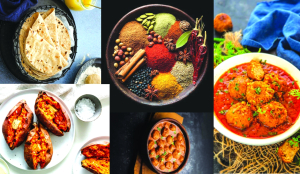
This shift is expressed most eloquently through cuisine and its underlying themes of purity and nourishment. Meals prepared during this period are typically simple, seasonal, and sattvic. Grains, lentils, milk, jaggery, sesame, and root vegetables suited to late winter form the backbone of the preparations. Dishes offered as bhog (offerings) or shared as charity, such as khichdi, kheer, til-gud preparations, and boiled or lightly seasoned foods, symbolize simplicity reinforcing the idea that food should be both sustenance and discipline. Different regions have local variations that are shaped by climate and agricultural patterns, yet the emphasis remains consistent.
Participating communities have historically prepared food suited for travel and ritual purity. Dry foods such as roasted grams, sesame sweets, parched rice, and simple flatbreads made to last over a period of time are carried by pilgrims who gather from far away places for sacred bathing. Cooking near riverbanks have remained minimal and sattvic, often limited to khichdi or boiled grains prepared after rituals were completed. This practical food system ensured that everyone was fed but reflects how geography shaped cuisine, linking pilgrimage, portability, and purity in one tradition.
In northern India, where Magha Purnima is closely tied to river and temple pilgrimages, meals are sattvic and simple, and prepared in quantities appropriate for the size of the congregation. Daliya, a cracked wheat porridge, is abundantly available and is cooked slowly in water or milk and lightly sweetened with jaggery. It is commonly eaten as a warm breakfast after early morning bathing rituals because it provides steady energy without heaviness. Sattu preparations, made by mixing roasted gram flour with warm water, cumin, and a little ghee, are eaten in the late morning or carried by pilgrims as sustaining food since they are easy to digest and require no elaborate cooking. Similarly, Khichdi, made by cooking rice and split lentils with turmeric, cumin, and winter vegetables, is usually eaten as the main midday meal after morning prayers or ritual bathing. A dash of ghee is added just before serving, and the dish is often first offered at the household altar before being shared. Alongside it, roti made from whole wheat flour is eaten during lunch with seasonal greens such as bathua saag, which is slow cooked with minimal spices and enjoyed warm to support digestion. Seasonal root vegetable stews made by simmering carrots, turnips, sweet potatoes, and radishes with mild spices are eaten during lunch, especially by elders, because they are soft, warm, and nourishing without being oily. In several northern households, simple preparations like aloo jeera, boiled chana, and plain curd rice are also eaten during the day as light accompaniments.
Moong dal cheela, prepared from soaked and ground moong dal batter spread thinly on a griddle, is another popular meal and can be had at any time of the day providing an appetizing and protein-rich snack. It is served hot with coriander chutney and provides protein while remaining gentle on digestion. Sweet preparations remain restrained. Til gud laddoos, made by binding roasted sesame seeds with warm jaggery syrup and shaping them into small spheres, are eaten in the morning after rituals or offered to guests during the day in small portions. Rice kheer, prepared by slowly simmering rice in milk and lightly sweetening it, is offered during prayer and then eaten as a small serving at the end of the meal rather than as a heavy dessert.
In many households, Magha Purnima is also observed with partial fasting or fixed meal timing. Some devotees consume only one main meal during the day after completing rituals, while others avoid grains until midday prayers are completed. Fruits, milk, or warm herbal drinks may be had in the morning before bathing rites. Eating after prayer reinforces the idea that food is to be received with gratitude rather than impulse and allows digestion to remain light during the transitional season.
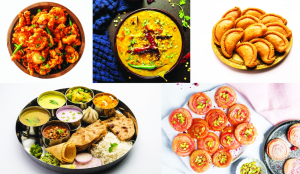
In eastern India, khichdi made with rice, moong dal, ginger, and vegetables is eaten as a community meal after temple offerings, the rice and lentils being cooked together until soft and lightly seasoned with turmeric and cumin. Labra, a slow cooked mixed vegetable dish prepared by simmering pumpkin, radish, brinjal, and leafy greens together with minimal spices, accompanies it and is served during midday meals. Lightly bitter preparations such as shukto, made by gently stewing seasonal vegetables like radish, drumsticks, raw banana, and sweet potato with a mild mustard or poppy seed paste, are sometimes eaten at the beginning of the meal to stimulate digestion. Cholar dal, prepared by cooking Bengal gram slowly with ginger, bay leaf, and mild spices, is occasionally included and eaten with rice after offerings. Payesh, a rice and milk pudding made by slowly simmering rice in milk and sweetening it gently, is eaten after prayers as prasad rather than as an indulgent sweet. Flattened rice soaked with milk and jaggery is often prepared for the morning meal because it is simple and easy to prepare. In parts of Bengal, Odisha, and Assam, small winter rice sweets such as pithe or puli are also prepared by shaping rice flour dough around coconut and jaggery filling and lightly steaming or boiling them.
In western India, bajra roti is eaten at lunch but paired with lighter foods such as kadhi or simple lentils instead of heavy winter curries. Moong dal seasoned lightly with cumin is eaten at midday for its digestibility. Lapsi made from broken wheat and jaggery is eaten in small quantities after meals as a warming yet moderate sweet. Shrikhand, a popular sweet made from strained yogurt, flavoured with saffron, cardamom and topped with nuts, when prepared, is eaten in modest portions during the daytime rather than at night, reflecting the gradual reduction of heavy dairy foods. Simple vegetable preparations, lightly spiced lauki, and plain rice with ghee are also common.
In Maharashtra, varan bhaat consisting of plain cooked toor dal poured over rice and seasoned lightly with ghee and cumin is eaten as a comforting lunch meal, often by those observing ritual discipline. Til ki chutney made from roasted sesame seeds ground with mild spices is eaten in small amounts with meals to aid warmth and digestion. Phirni made from ground rice cooked in milk is prepared in small earthen bowls and eaten cool in the afternoon or evening after being offered during prayer, symbolising calmness and balance.
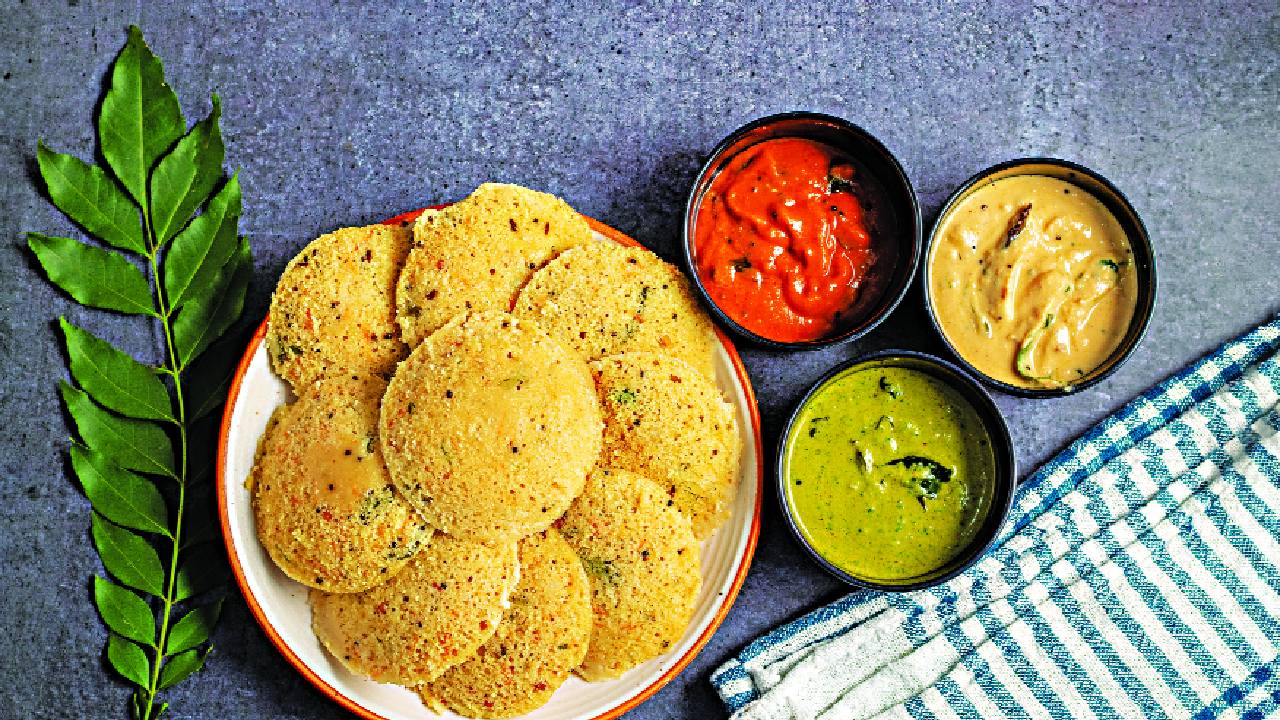
In southern India, simple rice and lentil dishes form the main meal after temple visits. Idli, which is steamed and fermented, is often eaten at breakfast or after returning from morning rituals because it is light and easy to digest.This is accompanied by a lentil based stew called sambhar and chutney made from fresh coconuts with a paste of green chillies and tomatoes. In many temple towns, the food offered as prasadam on this day follows strict simplicity. Food is prepared without onion or garlic and distributed in modest portions. Devotees consume this sacred food seated on the floor, often in silence, making the act of eating an extension of prayer. Payasam is served in small cups after prayer and consumed as a sacred offering rather than a dessert. Sesame based preparations are eaten during the day in small quantities as part of ritual observance. In some regions, pongal, simple vegetable stews, and curd rice are also eaten as part of the meal.
Magha Purnima is also an occasion to practice an ancient social practice of shared meals, where food becomes a symbol of dignity, equality, and bonding. Community kitchens along riverbanks, temple courtyards, and village spaces serve freshly prepared meals to pilgrims, ascetics, and the poor, without distinction of status or background. The food is offered with humility and reverence, sometimes on simple leaf plates, reinforcing the idea of service rather than charity. Menus are modest and nourishing, typically featuring khichdi, seasonal vegetables or lentil preparations, jaggery-based sweets, and warm milk preparations, designed to comfort bodies emerging from winter austerity. Beyond sustenance, these shared meals carry a deeper significance as they reaffirm the civilisational belief that spiritual merit is incomplete unless it finds expression in compassion, hospitality, and the quiet restoration of social bonds.
At its essence, Magha Purnima offers a civilisational template for balance, between discipline and compassion, inner renewal and social responsibility. I believe that occasions of such civilizational and moral significance should be cherished and kept alive in the collective memory of the nation. Its emphasis on purity of self and purpose, simplicity in living, mindful nourishment, and service to others speaks directly to modern concerns around physical health, mental fatigue, and social fragmentation. Carrying the spirit and traditions of Magha Purnima forward to the future generations is less about preserving ritual form alone and more about transmitting its underlying wisdom, that renewal begins with self-regulation, finds meaning in generosity, and matures through collective care. In doing so, it becomes our collective responsibility to ensure that the festival is not considered a relic of the past, but a living practice capable of anchoring modern life in continuity, responsibility, and purpose.
(The writer is Secretary, Cuisine India Society); views are personal