Security agencies fear foreign hand in protests
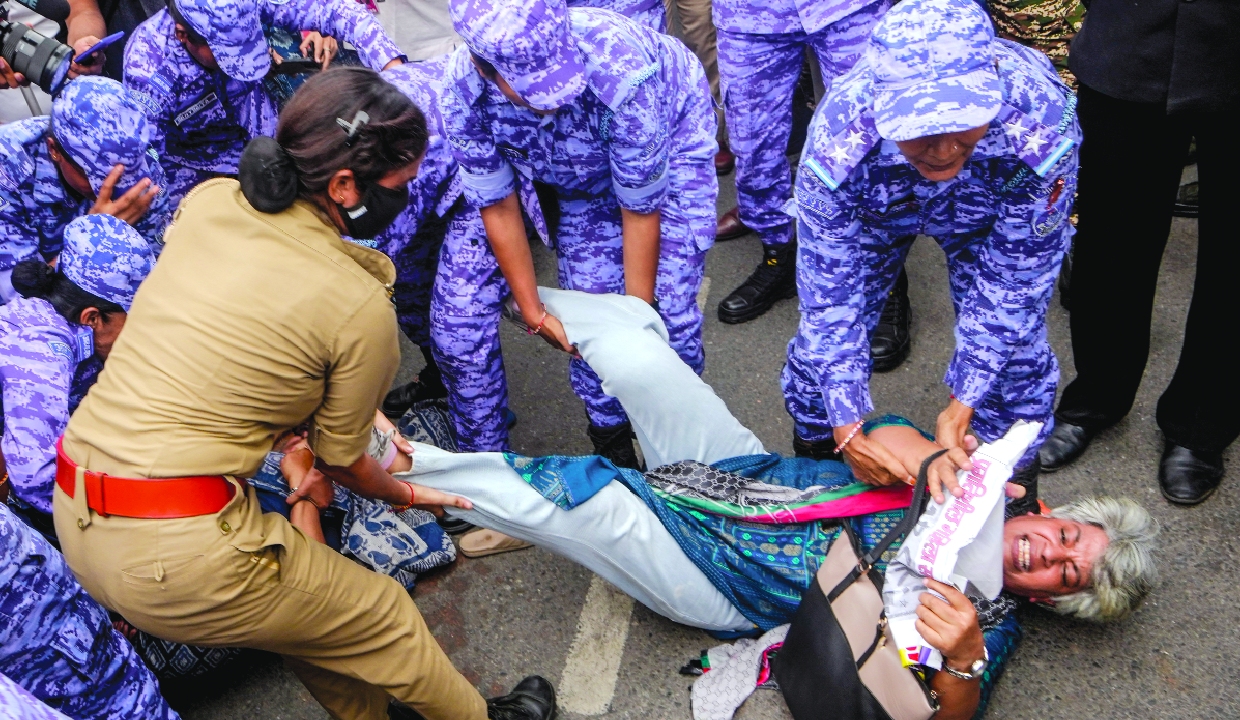
As efforts continue to politically address the current spate of protests in parts of the country, especially the national Capital, concerns are rising in the security establishment about foreign agencies or actors trying to stoke unrest.
Given these apprehensions, it is tightening safeguards to counter the emerging threat of external players out to manipulate the political debate to destabilise India, it was learnt. Coupled with this, the law enforcement and intelligence agencies are probing the links between the inimical forces and the protesters, including financial and other related factors, sources said.
The main objective of these actions is to prevent the foreign agencies from trying to weaken confidence in institutions and exploit perceived domestic grievances, they asserted.
The adversarial role of foreign agencies is all the more serious as these street protests now take on alarming proportions due to a cross-border influence operation. Explaining its criticality, sources said this endeavour is “low cost and no risk” because it keeps the perpetrators from being exposed. This is the most important battle lying ahead for the security establishment given the complexities of unearthing linkages, they admitted.
Supporting their concerns, sources said available inputs indicated the protests in the last few months are an externally supported attempt to fan discontent and destabilise the country.
They pointed out that signs of foreign interference are now emerging in political commentary and social media in the country.
Moreover, sources said reports point to increasing interaction between overseas commentators, international advocacy networks, digital platforms, and domestic protest movements.
The role of social media in openly and/or covertly attacking the ruling dispensation is rapidly spreading, and the political leadership has taken cognisance of this factor. While it is handling the importance of using the technology positively, the security agencies are probing its misuse by hostile external factors.
Elaborating on this issue, sources said foreign actors were trying to exploit dissatisfaction through concealed funding, fabricated material, coordinated accounts, or inflammatory messaging.
Repetition across videos, articles, and social platforms could make a coordinated campaign appear as spontaneous public consensus. Flagging it, sources said this could lead to social divisions and encourage confrontation between the misguided and the government.
The agencies were examining funding trails, advertising purchases, account-control records, organisational communications and specific evidence of incitement.
They were also engaged in sifting through messages and identifying connections between online coordination and unlawful conduct in any form, including incitement of violence, hate speech, or fake propaganda activities against the elected leadership of India.
The exercise aimed to expose any concealed foreign direction and the hidden role of any foreign Government entity, sources said. The ultimate aim was to deter any external influence or pressure, directly or indirectly, from orchestrating a campaign against citizens, established norms of governance, and adversely controlling the political narrative in the country.