RSS centenary: Service, influence and the road ahead
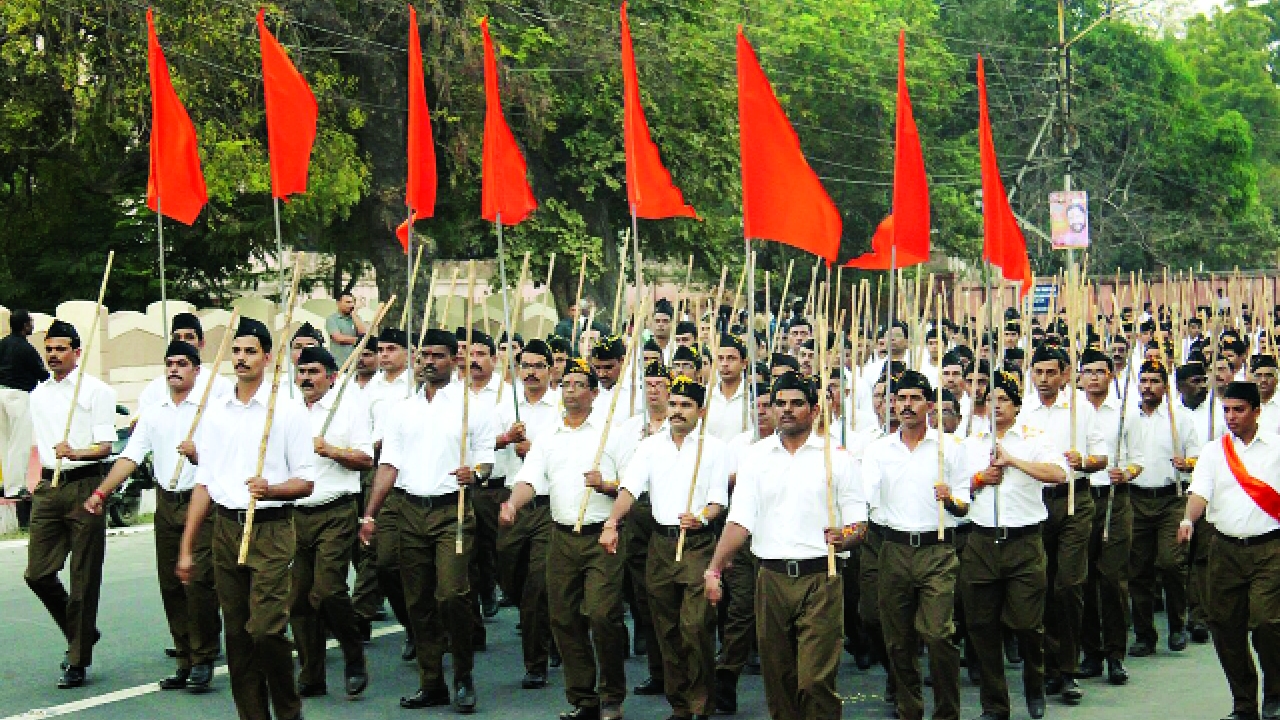
The Rashtriya Swayamsevak Sangh (RSS), established in 1925 by Dr Keshab Baliram Hedgewar, is now celebrating its centenary, and in the process the RSS Chief, Shri Mohan Bhagwat, during the last two months has visited different parts of the country and is engaged in reaching out to different sections of society. This outreach is essential considering the fact that the RSS today stands at a historic vantage point, because what began in 1925 as a small gathering of volunteers has evolved into a vast canopy of social, political and cultural influence spread over more than 73,100 shakhas across the country and still growing in numbers. The RSS Chief’s dialogues with cross-sections of people attract public attention because it has become the world’s largest non-governmental organisation and a fountainhead of Indian cultural nationalism. Its influence stretches across India’s social, cultural, educational and political landscapes and hence in modern India the organisation remains in intense debate. While it is frequently viewed through a political lens due to its ideological proximity to the ruling Bharatiya Janata Party (BJP), its primary contribution to Indian society lies in its sprawling network of social service, education, and disaster relief. However, the RSS Sarsanghchalak on more than one occasion has reiterated that his organisation’s primary motto is to build the character of people in an apolitical manner and that RSS volunteers are free to join any political party. Let us discuss what the RSS has contributed to our country and the world and what changes it needs.
The core philosophy of the RSS is Manav Nirman (making the man). Through the daily shakha, it emphasises discipline, physical fitness, and a sense of duty towards the nation rather than the self. One of the most significant contributions of the RSS is in the field of education, specifically through its educational wing, Vidya Bharti. Vidya Bharti operates one of the largest private school networks in India, known as Saraswati Shishu Mandirs. These schools aim to blend the modern curriculum with Indian values. They work to reach the fringe forest villages in tribal areas where state infrastructure often falters; the RSS runs Ekal Vidyalayas. These schools provide basic literacy and healthcare awareness to millions of children in forest-dwelling communities through its Vanvasi Kalyan Ashram. The RSS is often the first responder in natural calamities regardless of one’s political stance; the organisation is widely recognised for its efficiency during national crises. When natural disasters strike, swayamsevaks are often the first on the ground, sometimes arriving before government agencies. A few examples are the Orissa cyclone, the Bhuj earthquake of 2001, the Uttarakhand floods of 2013, Seva Bharti during the 2025 Kashmir floods, and during the COVID-19 pandemic it distributed millions of food packets, managed oxygen helplines, and assisted in cremation services when systems were overwhelmed.
The Vanvasi Kalyan Ashram (VKA), founded in 1952, is one of the most successful yet quietest wings of the RSS. Its primary objective is to bridge the gap between “mainstream” urban India and the forest dwellers through educational empowerment as they operate thousands of hostels for tribal children, allowing them to gain formal education while staying connected to their roots. Further, in areas where government doctors are scarce, VKA volunteers run mobile dispensaries. They focus heavily on tackling sickle-cell anaemia and malaria, which are prevalent in tribal belts. A core work of VKA is the protection of tribal faith and traditions, as tribal identity is an integral part of the broader Hindu cultural fabric, and they work to prevent what they term “predatory proselytisation” by offering social support systems. This writer has been associated with them informally on government affairs, observing their work style. Long before Atmanirbhar Bharat became a government programme, the RSS had been promoting campaigns for the consumption of local goods. Seva Bharti runs over 150,000 service projects across India, ranging from free hospitals and blood banks to vocational training centres for women in urban slums. Many years before yoga became a global phenomenon, the RSS was promoting it through its daily physical drills. It continues to advocate the integration of traditional Indian medicine with modern practices.
Through the Bharatiya Kisan Sangh, the RSS promotes sustainable, cow-based organic farming techniques to reduce farmers’ dependence on expensive chemical fertilisers and pesticides. The Bharat Vikas Parishad organises national-level patriotic competitions for students, promotes Indian culture, supports the differently abled, provides health check-ups, and executes rural development projects. The contribution of the RSS to Indian society is thus multifaceted. Its definition of “Hindu” is cultural and geographical-encompassing everyone who lives in India and respects its heritage-rather than strictly religious. Its outreach to Muslims is through its Muslim Rashtriya Manch.
The RSS, in a nutshell, acts as a massive social safety net and a cultural nationalist catalyst. While its ideological goals remain a point of discussion in the larger context of India’s democratic discourse, its on-the-ground impact-from building schools in tribal areas to providing relief in the wake of natural disasters-is an undeniable part of India’s modern history. For the RSS, the goal is not just to change the government, but to change the “national character” through grassroots service. This is what is needed today in Indian society.
However, no organisation can live on its laurels alone and must reflect the aspirations of a changing society. The leadership of the RSS could implement, on priority, more stringent scrutiny for new volunteers. Currently, like any other social outfit, the organisation risks an influx of opportunistic individuals who join solely for personal gain or political leverage rather than a genuine commitment to the Sangh’s core values.
This trend is particularly damaging as it fosters a culture that marginalises the dedicated workers who have long served as the backbone of the movement. To preserve the ideological sanctity of the organisation, it is vital to distinguish between those seeking a platform for their own ambitions and those truly dedicated to selfless service.
Secondly, frequent dialogues should continue with cross-sections of society, and the all-pervasive culture of crony capitalism among the powers that be needs to be banished from India’s political and bureaucratic sphere, for which the RSS can do a lot as part of its character-building core value. Notwithstanding the fact of its significant impact on the social and cultural discourse in India, as a constructive reform it could consider broadening its outlook on leadership and merit.
At times, social organisations and political leaders appear to place disproportionate admiration on elite positions such as Administrative Service officers and members of the Judiciary of India, which may unintentionally leave sizeable sections of talent overlooked. A more progressive outlook, at least in the RSS, could recognise and promote talent, innovation and excellence across diverse fields. By valuing multiple talents in nation-building rather than primarily focusing on elite roles, the RSS could do a great service in managing the changing aspirations of a dynamic and diverse modern India. Whatever people perceive, the RSS’s raison d’être continues to be the preservation of the cultural identity of Bharat.
The writer is former IFS officer and Chairman of Centre for Resource Management and Environment; views are personal