Remembering Pandit Chatur Lal
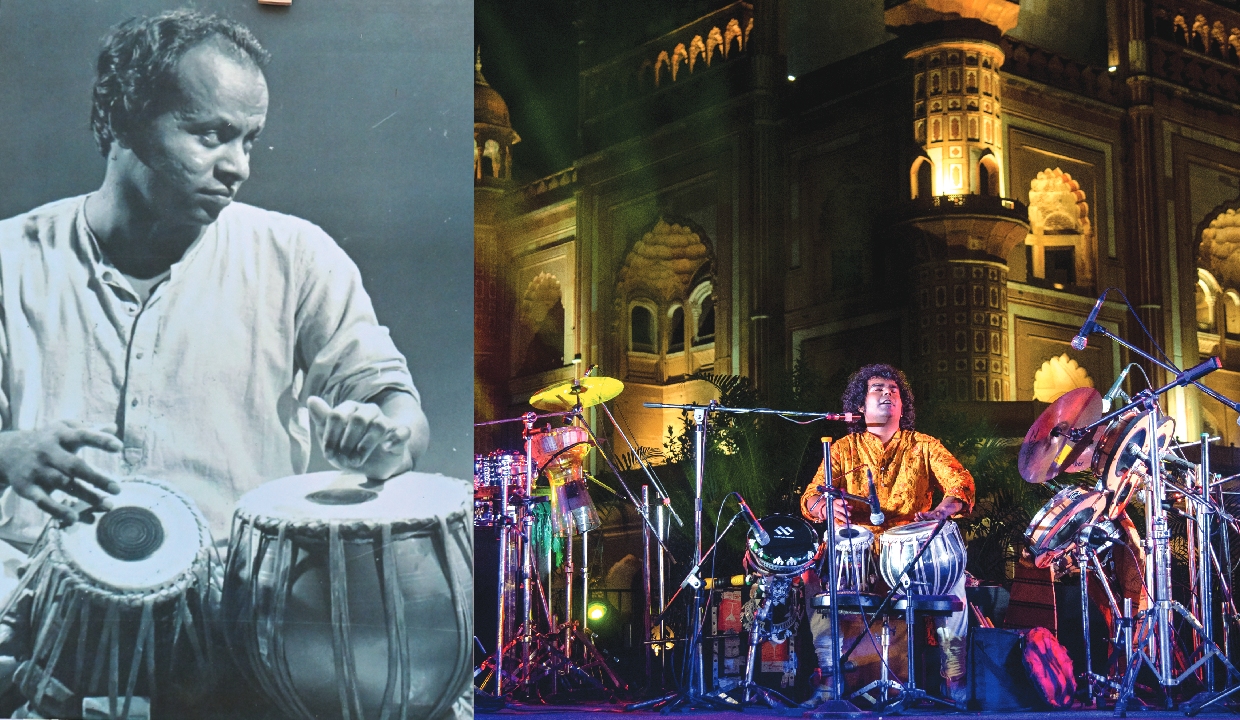
“All my life served a single purpose: ‘Sangar’ both in art and life.” Long before the western world discovered the intricate rhythms of India, a young tabla player carried the heavy weight of our history across vast oceans to share our soul with strangers. Pandit Chatur Lal translated the complex pulse of his homeland into a flowing language of pure vulnerability and offered a sacred space for the unheard. His music spoke directly for those living with fear in pain and gave a powerful voice to the silent masses who found comfort in his beats. He passed away in 1965 but his pioneering early work with giants like Pandit Ravi Shankar wrote the absolute blueprint for taking Indian classical music to the global stage.
Now marking one hundred years of his magnificent legacy, thousands of us gathered under the heavy stone arches of Safdarjung Tomb to honour his birth centenary at this cultural event — the Pandit Chatur Lal Centenary Festival. The city came together to share a deeply moving experience of remembrance as an entire community stood shoulder to shoulder in the dark, holding onto a century of fragile beauty.
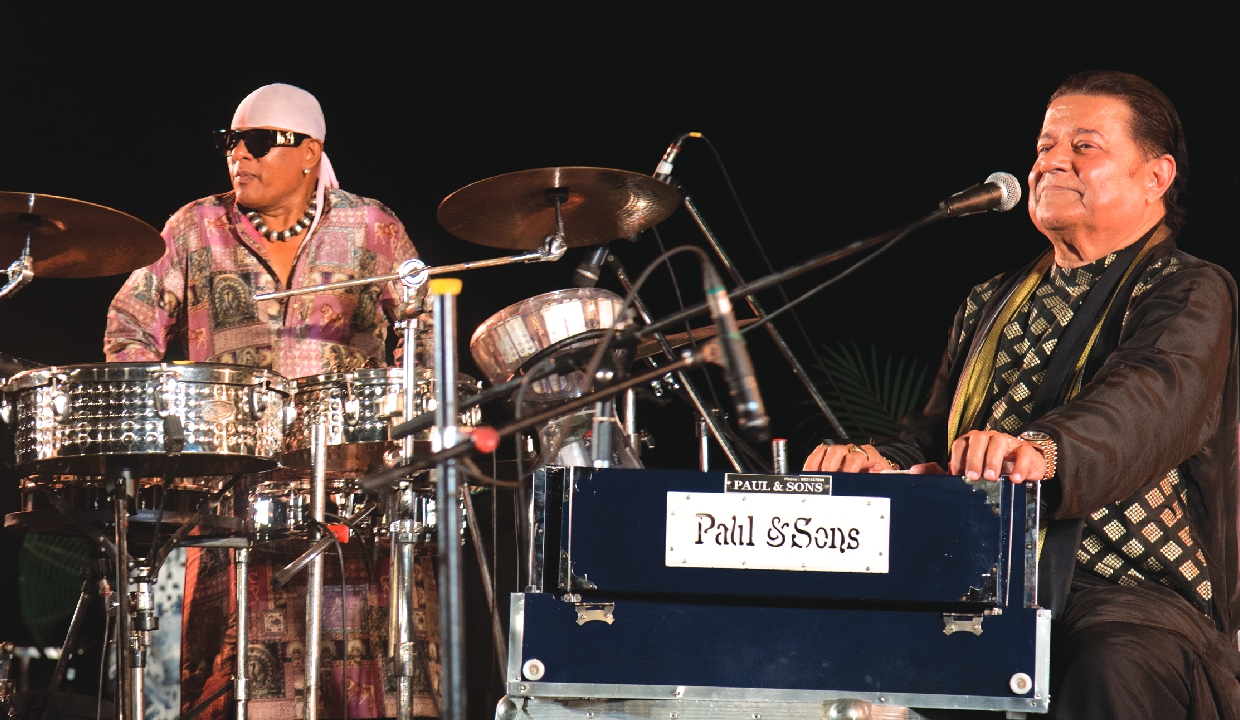
A deep stillness washed over the historic lawns when Bhajan Samrat Anup Jalota walked onto the stage to begin the night. His voice carried a raw devotion that broke beautifully through the dark sky, offering a tender tribute to a maestro who gave his very soul to connect people across the world.
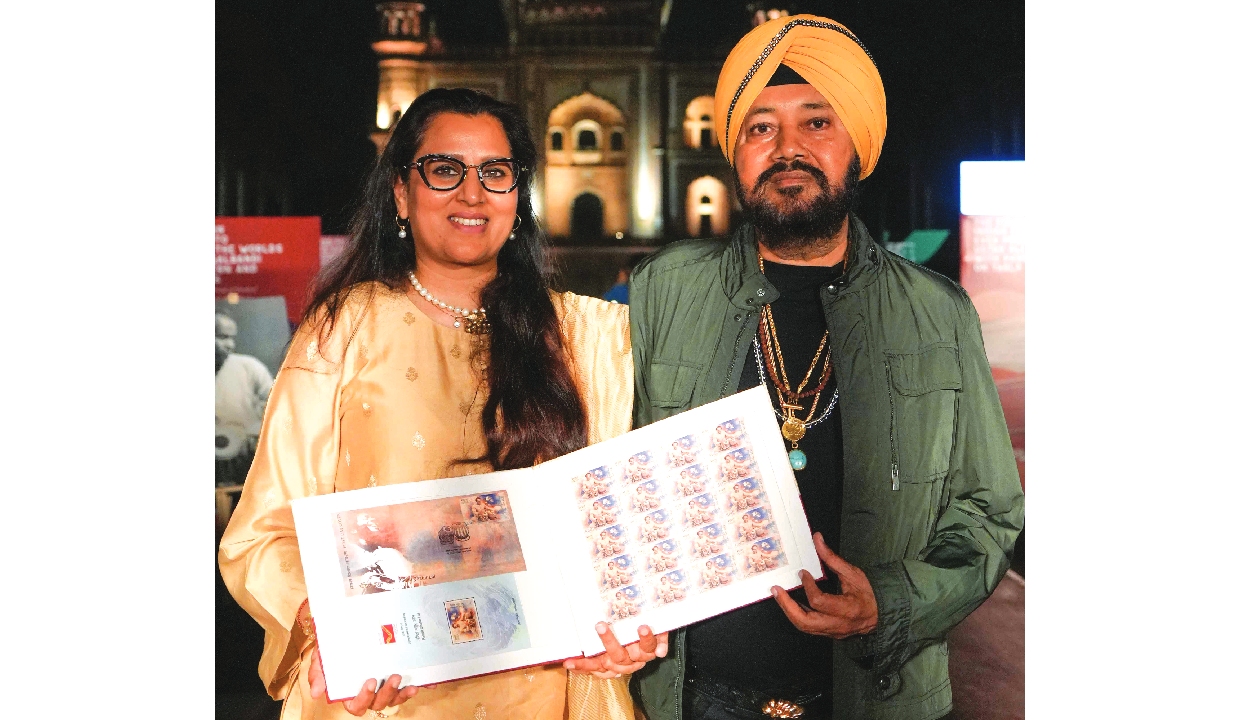
The true emotional weight of the evening revealed itself entirely through the performance of Brahmaand. Conceived by Pranshu Chatur Lal, this composition was a grandson reaching across the bounds of time and desperately trying to converse with the grandfather he loves and misses so deeply. Saqib Khan’s sitar and Shuheb Hasan’s weeping vocals threaded flawlessly into Atul Shankar’s delicate flute and Monis Ali’s modern keyboards to build a sprawling sonic landscape where every single note held tightly to the next. Organised with immense care by Meeta and Charanjit Chatur Lal and curated beautifully by Shruti Chatur Lal, the night became a heavy reminder of the profound artistic wealth we inherit. The ancient monument faded into the dark, leaving us with a shared space of beautiful and painful memory, celebrating exactly one hundred years of a rhythm that refuses to fade. While a maestro might leave the physical stage, his legacy continues to stay in the tears of those left behind and beats forever in the chest of anyone who truly listens.