Protecting the living heritage
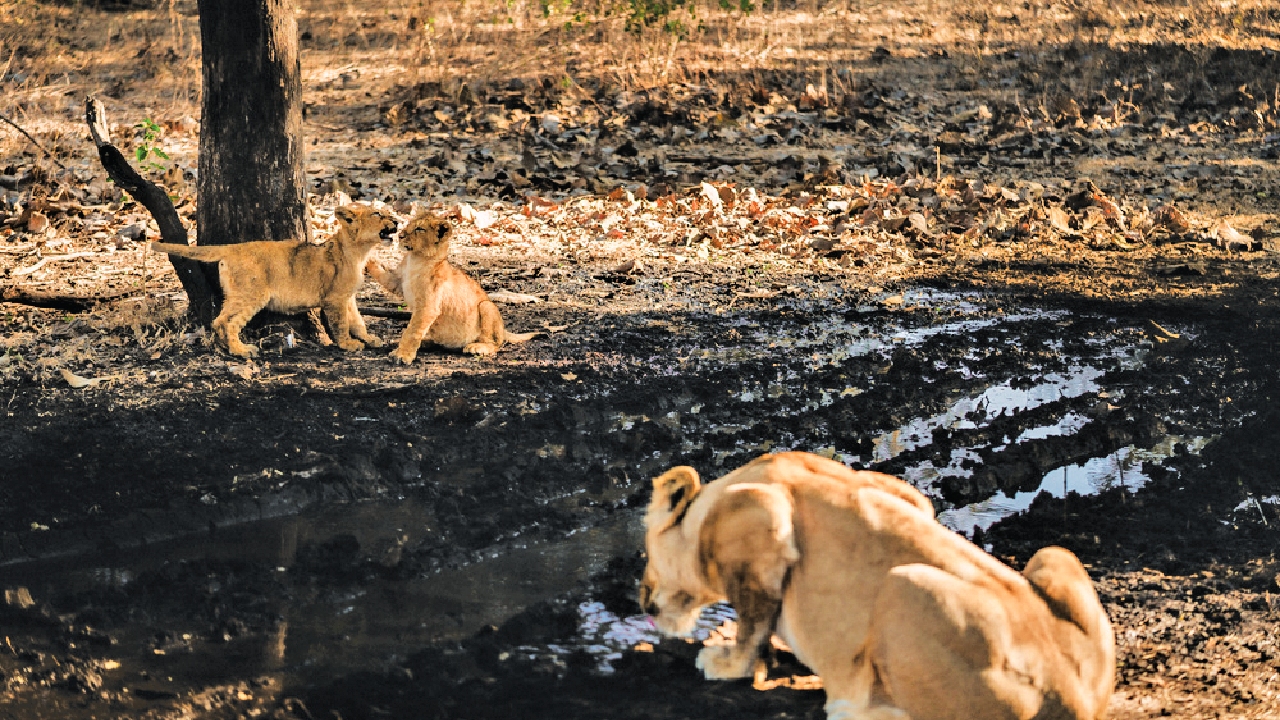
Every year on March 3, World Wildlife Day is celebrated by wildlife enthusiasts and nature lovers with much fanfare. It is indeed a day to ponder over how we can conserve the wildlife for posterity. Given the fact that hundreds and thousands of species have become extinct, and many more are on the way to becoming extinct. It was proclaimed by the United Nations General Assembly in 2013, the date commemorates the signing of the Convention on International Trade in Endangered Species (CITES) in 1973. It is both an occasion to honour the planet's extraordinary biodiversity and a moment to reflect on our shared responsibility to protect it.
Wildlife sustains life in both visible and invisible ways. Forests regulate climate and replenish the air. But deforestation, habitat fragmentation, poaching, pollution, unsustainable consumption and climate change are accelerating species loss at an alarming pace. Global assessments warn that nearly one million species face the threat of extinction in the coming decades. World Wildlife Day is a warning bell echoing across continents.
India's situation reflects both urgency and hope. Despite occupying only 2.4 per cent of the world's land area, India hosts nearly 8 per cent of global biodiversity - a remarkable concentration of life. From Himalayan ecosystems to coastal mangroves, from arid grasslands to tropical rainforests, the country's ecological wealth is immense. The landmark Wildlife Protection Act of 1972 laid the legal groundwork for conservation, establishing protected areas and safeguarding endangered species. Over the decades, India has expanded its network of national parks, wildlife sanctuaries and biosphere reserves, with more than 5 per cent of its geographical area now under protected status. Among India's most celebrated conservation efforts is Project Tiger, launched in 1973 was one of the most successful project. India today has over 3,000 tigers - nearly 75 per cent of the global tiger population. Project Elephant focused on securing elephant corridors and mitigating human-elephant conflict. Yet challenges remain formidable. As human settlements expand and infrastructure projects multiply, forests shrink and wildlife corridors fragment. Human-wildlife conflict has intensified, particularly in ecologically fragile regions such as the Sundarbans, where the delicate coexistence between the Royal Bengal tiger and local communities is under severe strain. Climate change compounds these vulnerabilities, threatening coastal mangroves and Himalayan habitats alike. Wildlife tourism adds another complex dimension. When conducted responsibly, eco-tourism can generate livelihoods and foster conservation awareness. However, unregulated safaris, intrusive construction of resorts and excessive noise and artificial lighting can disturb animal behaviour and degrade habitats. It is not to suggest to prohibit tourism, but to align it with ecological sensitivity. Community-based models offer a way forward.
The wildlife tourism adds yet another layer to wildlife protection. Often, wildlife safaris do not conform to the standard protocols and become a menace to the wild life. Besides the construction of guest houses, lodges and resorts often become scary for the animals. Loud music and bright colours distract the animal and change their behaviour. It is not to suggest that wildlife tourism should be banned but we have to chalk out a policy in which the interests of tourists and well as animals, are kept in mind. Though various efforts have been made in the country.
For instance, in the Gir Forest, Woods at Sasan, founded by Maulik Bhagat, has emerged as a thoughtful example of regenerative tourism. Laurent Guiraud, who joined the property last year as COO, has been instrumental in strengthening and implementing a model that goes beyond sustainability to actively restore the local ecosystem.. "We have drawn heavily from the local population and experience as they are the keepers of this place who have a wealth of knowledge about the forest and wildlife around and are committed to preserving it which is sustainable and rewarding,” says he.
Culturally, wildlife is woven into civilisational memory and spiritual symbolism. In India, the tiger, elephant and peacock are not merely species; they are emblems of identity and heritage. Local communities must be recognised as stakeholders and partners, not passive observers.
Conservation is not a choice between development and environment - it is the only credible path to sustainable development.
The writer, a wildlife conservationist is consultant for sustainable wildlife projects; views are personal