Private forests: Transforming India’s conservation landscape
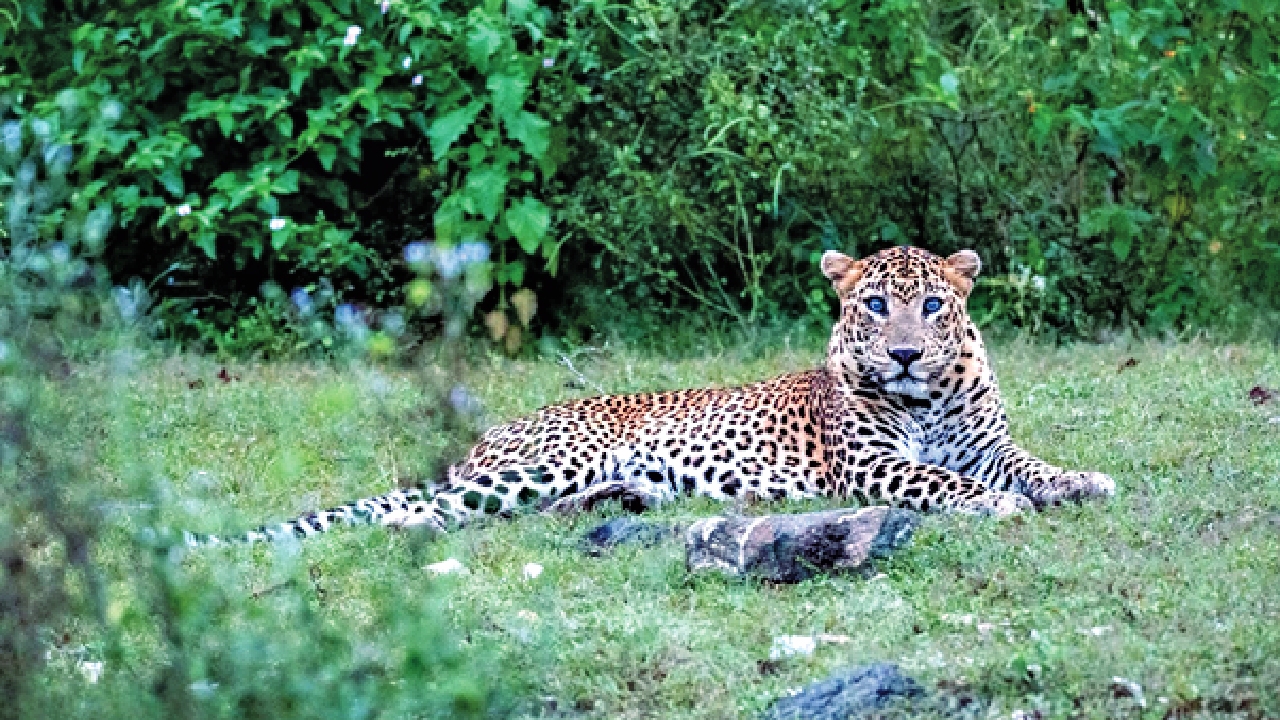
Amongst the broken low hills of the Aravalli’s, an age-old drama is playing out beneath the ghostly Kadaya trees. As the urgent alarm calls of a bhura teetar fill the air, a solitary leopard moves like a ghost through the undergrowth, an ancient instinct driving it on its daily rounds. A hundred yards away, a pair of keen eyes watch, brows furrowed, finger ready to spring into action. A sudden turning of the head and the act is done; the photograph is taken, a moment is preserved for eternity.
The above is replicated all over India by nature lovers who throng to the various government owned and run parks and sanctuaries. The only thing different in the scene we just witnessed was that it took place in a private jungle. On the outskirts of Udaipur, a new phenomenon in Indian wildlife conservation is in the making. The Chunda Shikar Oudi heralds the change in direction which our conservation story must take. An age-old hunting estate belonging to a family of Mewar aristocracy, the jungle was neglected and degraded both in flora and fauna over the past few decades. Cattle were being grazed all over the jungle, trees were being cut for firewood and illegal poaching had denuded the jungle of its denizens.
Enter the young and dynamic brothers Veeram and Yaduraj. Lifelong nature lovers, they came across this jungle on one of their regular jaunts into the hills of Udaipur and fell in love with it. Combining their business acumen and love for wildlife they took it upon themselves to reclaim the glory of this forgotten patch of jungle. And what a job they have done! From a hunting estate in antiquity to a conservation focused wildlife resort today, life has come a full circle for this storied land! Local villagers have been trained and are employed as forest guards, naturalists, drivers, hospitality staff etc. They patrol the jungle ensuring no poachers enter, cows and goats are no longer visible inside the jungle, the trees are safe from being felled for sundry purposes, garbage dumping has stopped; the jungle breathes again.
Slowly the wildlife has returned. Grouse and ducks streak over the lake in the middle of the forest, a python fondly christened Sandy suns herself on the rocks, nilgai play hide and amongst the shrubbery, wild boar congregate under the date palm trees, mahseer and sawal fish lurk in the placid waters of the lake and if you are lucky one of the eleven leopards identified on the property may just stalk past. Hyenas are making a comeback while porcupines, jackals, foxes, jungle cats and Caracals are being spotted regularly.
As the local villagers see jobs being created and standards of living rising, they have come to value and nurture the jungle. From a degraded landscape with no animals to a bustling jungle teeming with wildlife has only been successful because of what the villagers around the jungle have realized; these animals have value! More animals mean more guests, which means more employment and upward mobility for a rural area which still grapples with sizeable unemployment.
Recently the Union Environment Ministry has issued a directive enabling private entities to conduct forestry activities. One hopes that in years to come, more private operators are encouraged to take up degraded tracts of land and return them to their original pristine state.
Let’s not forget that the world we inhabit is a harsh world where reality often differs from ideals. Moribund bureaucracy is often found out of sync with ground reality. A hungry Adivasi will not think twice before killing an animal to provide for his hungry children, the desperate housewife won’t hesitate a moment before cutting down a tree to keep her chulha burning when it comes to feeding her tired family. The only solutions that have worked the world over for wildlife conservation are the ones that extract value from the jungles and its denizens, seeing those living next to the jungle as partners and not as a problem. While notified forest lands get all the attention and budgets, degraded forest land and privately owned forests get no attention which leaves those living in the vicinity at an economic disadvantage.
A new era of privately owned/leased ecotourism centric wildlife parks which incentivise the protection of wildlife as a necessary economic tool of social upliftment is the need of the hour. The world around is changing, why should our methods of saving wildlife not change too!
The writer is a wildlife enthusiast. He has visited most of the wilderness landscapes of the country; views are personal
Leave a Comment
Comments (1)
Very nice article. Appreciate the writing