Preserving Bhagirathi: India’s ecological test case
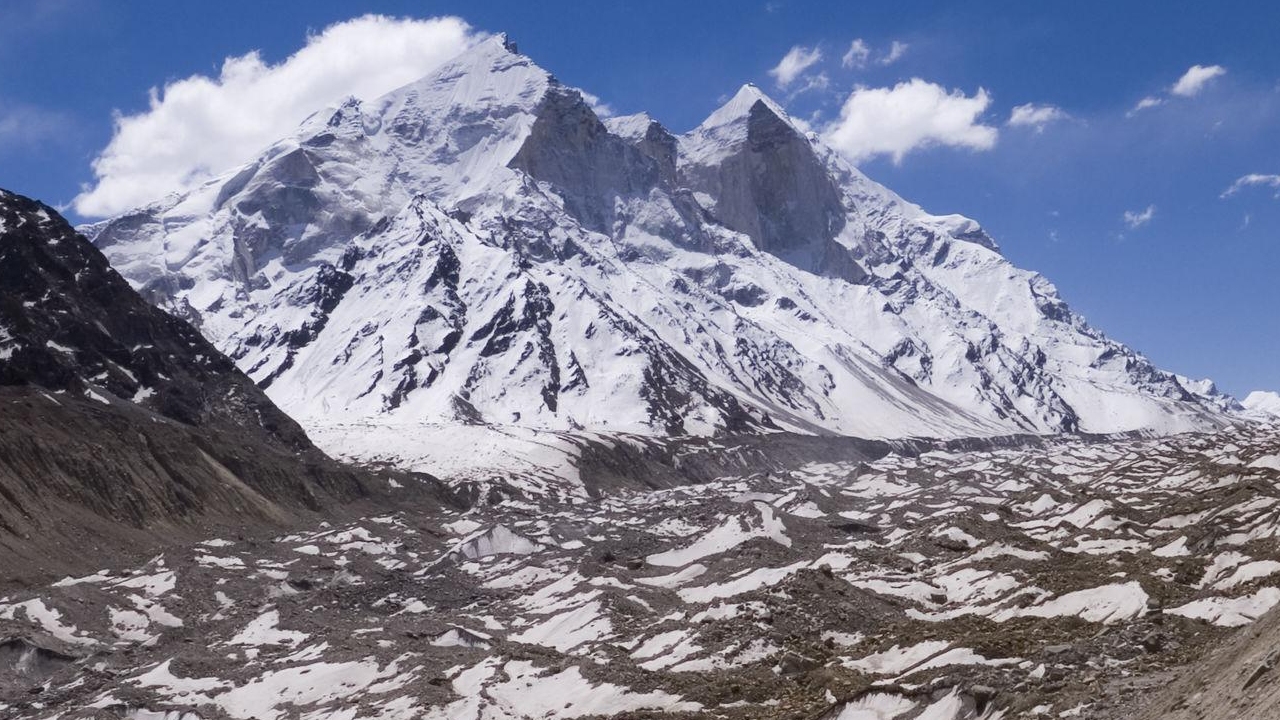
The Bhagirathi Eco-Sensitive Zone (BESZ) is tucked in the Himalayan ecosystem and is one of the most fragile systems we have. It is highly vulnerable to even slight changes in climate or human intervention. Even limited construction and human activity can create havoc in this highly sensitive zone. Despite this, massive construction projects are underway, hundreds of dams are being built, and infrastructure expansion is seriously undermining the ecological integrity of the Himalayas.
It is not that the risks are not evaluated, but they have been sidelined in the name of development and progress. And the people have paid the price for it. Flash floods, landslides and forest fires have taken a heavy toll on human life and property. In this context, the recent intervention by Union Environment Minister Bhupender Yadav on the need for “stakeholder convergence” in the Bhagirathi Eco-Sensitive Zone is both timely and necessary. The Bhagirathi basin- where Ganga originates - is not merely a geographic entity is the basis of Indian civilisation. If anything goes wrong, it will affect the entire northern India, so preserving it is not just about environmental concerns but a larger issue of saving the lifeline of the nation. It is a national imperative.
The Bhagirathi Eco-Sensitive Zone (BESZ) is located in fragile Himalayan terrain with rich biodiversity and has high hydrological importance. This feeds one of the world’s most densely populated river systems. Any disturbance here-be it deforestation, unregulated construction, or hydropower overreach can have a detrimental effect on millions of people who depend on the Ganga for water, agriculture, and livelihood. The present state of the BESZ is not a happy one and is constantly under strain. The push for infrastructure and economic development is not in keeping with environmental prudence. Many projects have been undertaken without adequate cumulative impact assessments.
At the same time, conservation cannot be pursued in isolation from local aspirations. The communities inhabiting the Bhagirathi valley face real challenges-limited access to services, economic constraints, and vulnerability to climate change. Stalling all projects will risk alienating these stakeholders and undermining conservation goals.
This is where the idea of “stakeholder convergence” becomes crucial. It implies genuine participation of local communities, scientists, and civil society in decision-making. Indeed, the BESZ must be governed by robust, science-based frameworks. Comprehensive cumulative impact assessments should guide all major interventions.
The monitoring committees must be empowered with real authority, technical expertise, and transparency in functioning. Sustainable livelihood - Eco-tourism, organic farming, and value-added forest produce can align economic incentives with ecological preservation. Local communities should be treated as custodians of India’s ecological heritage not as encroachers!