Pakistan’s paradox: Peace abroad, repression at home
Who decides which lives are expendable in the name of national interest? Whose blood allegedly writes the records of peace, and whose screams are buried beneath diplomatic statements? Can a state preach mediation and broker ceasefires while reportedly waging covert operations against its own citizens and neighbours? Declaring a commitment to peace may appear noble, yet history repeatedly shows human civilisation advancing through conflict, with moral compromise left in its wake.
Karbala, the city of Shia martyrdom, embodies this collision of principle and brutality. Pilgrims walk barefoot to mourn Imam Hussain, grandson of Prophet Muhammad, betrayed and slain centuries ago. Centuries later, in the 1980s, the massacre of Iranian soldiers during the Iran-Iraq War echoed this horror. Saddam Hussein, reportedly armed by Western powers and regional allies, deployed chemical weapons with devastating efficiency.
Entire units, many unarmed, were allegedly killed in gas attacks, their bodies left to rot in trenches and deserts. One Iranian journalist recounted: “Soldiers were helpless, bleeding from the nose; no bullets fired. Hundreds of thousands died.” The slaughter reportedly proceeded with almost no international scrutiny, as geopolitical expediency allegedly outweighed moral responsibility. Saddam, once a darling of the West, became a pariah, yet the deaths of victims were never fully accounted for. Pakistan occupied a shadowed role. While Western powers reportedly provided arms and intelligence to Iraq, Pakistan allegedly supplied weapons to Iran, including systems derived from Chinese and US inventories. Officially, Islamabad maintained diplomatic ties with post-revolution Tehran, yet clandestine coordination allegedly occurred through shared strategic interests, particularly in Afghanistan against the USSR. Pakistani troops were reportedly sent to Saudi Arabia, Iraq’s backer, ostensibly for protection. The nation acted both as broker and executor, instrumentalised to serve external powers while domestic development lagged.
This duality is evident domestically. In Balochistan, decades of insurgency have reportedly been met with enforced disappearances, extrajudicial killings, and indiscriminate military campaigns. Entire communities have allegedly been displaced; civilians, often unarmed, are targeted under the guise of counter-terrorism. Human rights organisations, including Amnesty International and Human Rights Watch, report that most victims are ordinary citizens. Yet the state reportedly justifies these actions in the language of national security, cloaking systematic repression in the rhetoric of patriotism.
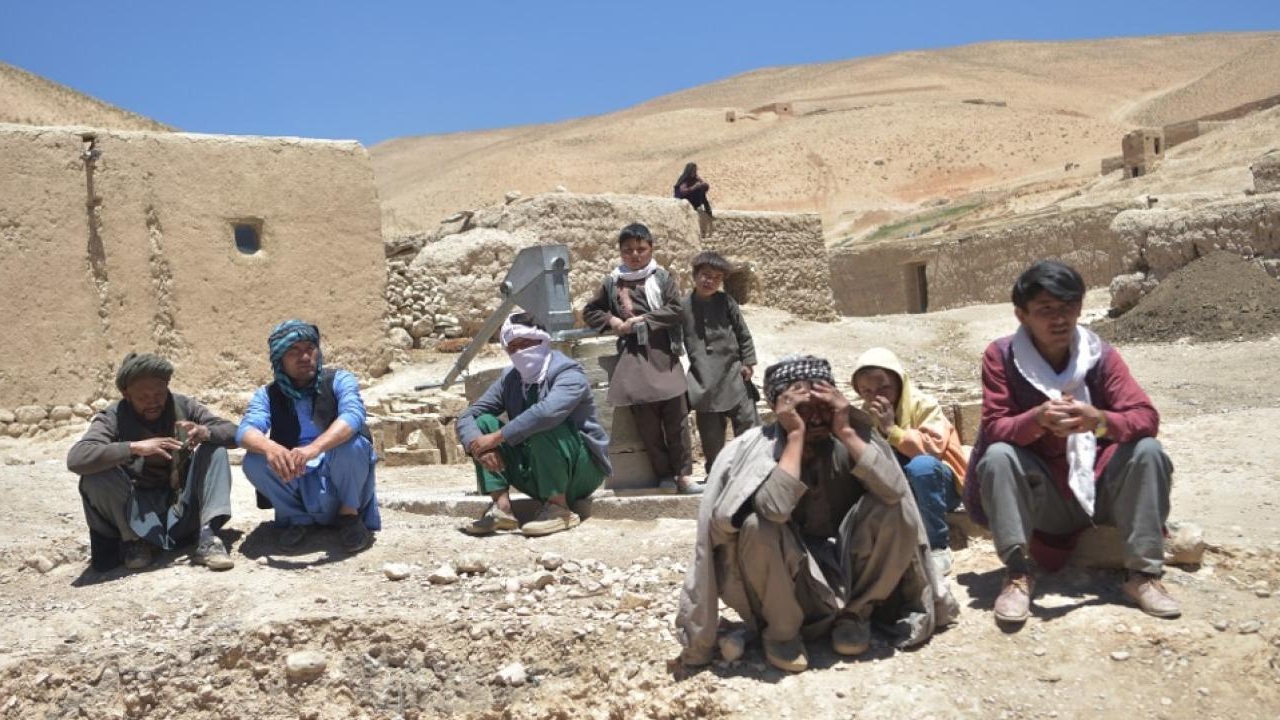
Afghanistan presents a similar pattern. On the same day Pakistan drafted the peace proposal known as the “Islamabad Accord” to halt hostilities in the Iran conflict, cross-border shelling in Afghanistan’s Khost, Paktia, and Paktika provinces has allegedly forced families into makeshift shelters and caves, displacing tens of thousands of civilians amid ongoing clashes. Children reportedly freeze on stone floors; mothers recount having “nowhere to go” after villages are destroyed. Taliban authorities claim that Pakistani mortar, missile, and drone strikes have killed civilians, including children, under the pretext of targeting militants. This incident followed on 16 March 2026, when Pakistani airstrikes reportedly struck the Omid drug rehabilitation centre in Kabul, Afghanistan, killing hundreds and causing severe casualties. Reports indicate massive casualties, with Afghan officials stating that over 400 people were killed, while the UN reported at least 143 initial deaths, most of them children. Yet internationally, Islamabad presents itself as a stabilising actor, the guardian of peace. Civilians appear sacrificed for strategic depth, while the state accrues legitimacy abroad.
Pakistan’s domestic politics reinforce this paradox. Opposition leaders, notably Imran Khan, have faced imprisonment. An interview published in December 2025 in The Times UK claims: “Locked up for over 28 months in solitary confinement in what his sons call a ‘death cell’ in Adiala jail, Khan was allowed no visitors for the whole of November.” The 73-year-old former cricket captain was reportedly “kept in a 6ft by 8ft cell, usually reserved for death row, allowed no reading material apart from the Quran, and given brown water to drink and wash with.” Previous leaders, including Nawaz Sharif and Benazir Bhutto, suffered exile or judicial disqualification. The military, constitutionally a guardian of the state, reportedly functions as the ultimate arbiter of political survival. Democracy is performative; institutions operate within the military-civilian framework. Media and civil society reportedly face pressure, dissent is criminalised, and political contestation is conditional on compliance with strategic imperatives.
The 2024 Iran-Pakistan incident illustrates this duality internationally. Iranian missile strikes in Balochistan, targeting Jaish ul-Adl militants, were condemned by Islamabad as violations of sovereignty. Pakistan retaliated with strikes inside Iran. By April 2026, reports claimed Pakistan helped broker a ceasefire between Iran and the United States. Here, diplomacy and coercion coexist; aggression allegedly balances negotiation, violence with dialogue. Pakistan projects indispensability internationally while tolerating or perpetrating violence domestically. Historical parallels reinforce the pattern. In 1971, East Pakistan was violently suppressed under General Yahya Khan, with hundreds of thousands allegedly killed and millions displaced. The United States reportedly tolerated the massacre to protect strategic interests. During the Cold War, Pakistan acted as a conduit for US- and Saudi-backed operations in Afghanistan, training and arming mujahideen while its own civilian infrastructure allegedly languished. Weapons were supplied to Iran while clandestine coordination with Iraq reportedly continued. Human development, accountability, and institutional integrity were reportedly subordinated to strategic utility.
The Shia population along Pakistan’s Iran border further demonstrates the stakes. Millions live in a region critical to regional balance yet often neglected in civic protection. They exist simultaneously as citizens and as instruments in a broader geopolitical calculus, exposed to cross-border violence, insurgency, and state neglect. The military’s prioritisation of strategic leverage allegedly over civic welfare renders these communities vulnerable, even as Pakistan cultivates an image of mediation abroad.
Decades reveal a perfected dual strategy: domestically, repression; regionally, projection; internationally, negotiation. Civilian deaths, enforced disappearances, and political imprisonments coexist with diplomatic success. The military-civilian complex sustains relevance by appearing indispensable while tolerating internal oppression.
In Afghanistan, civilians recount fleeing shelling and living in caves with little food, water, or medicine-realities absent from narratives of mediation. A similar pattern persists in Balochistan: civilians displaced, insurgencies crushed, the state praised abroad.
Nothing captures this duality more starkly than global tolerance for strategy over human life-from Kissinger’s secret diplomacy to the suffering of East Pakistan. Pakistan allegedly operates as facilitator abroad and executor at home, where influence is secured at the cost of its own citizens. Peace is brokered abroad; war executed at home.
Negotiations are public; killings clandestine. Citizens are displaced, silenced, expendable. Pakistan’s double-edged strategy is structural and persistent. Advocating peace internationally while masking domestic repression may be nothing more than a mirage.
The writer is a columnist based in Colombo ; views are personal