Nutrition security: Why strategic food reserves matter for BRICS
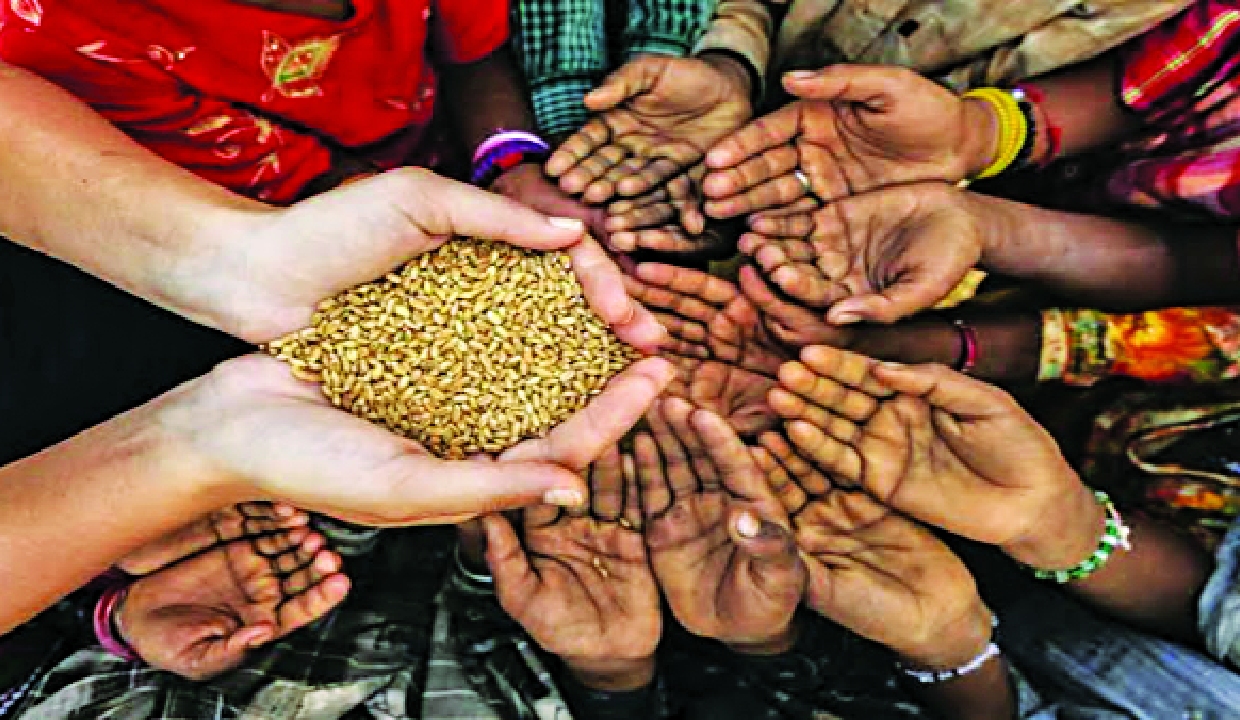
BRICS countries must strive for a future in which strategic food reserves contribute not only to stable food supplies but also to improved nutrition, stronger food systems and greater resilience for millions
For decades, discussions on food security have focused, rightly, on ensuring adequate food availability. The central question has been whether countries can produce, procure, and distribute sufficient food to meet the needs of growing populations amid climate shocks, economic uncertainty, and geopolitical disruptions. Over time, BRICS countries have emerged as key contributors to addressing this challenge, playing an increasingly important role in global food production, trade, and food system resilience.
Today, however, the global food security agenda is evolving. While ensuring adequate food supplies remains fundamental, there is growing recognition that food security must also encompass nutrition security. The challenge is no longer only about ensuring access to calories, but also about enabling regular access to diverse, safe, affordable, and nutritious diets that support healthy lives.
The BRICS grouping is uniquely positioned to lead this transition. Collectively, the expanded BRICS countries account for a substantial share of global food production and consumption. Their policies, investments, and food management strategies influence global markets and shape food security outcomes far beyond their borders. In this context, strategic food reserves can play a transformative role-not merely as emergency stockpiles, but as instruments for strengthening resilience, promoting nutrition, and supporting sustainable food systems.
As Prime Minister Narendra Modi emphasized while addressing agricultural scientists at the MS Swaminathan Centenary International Conference, the next frontier for agricultural and food systems lies in moving beyond food security towards nutritional security. Strategic food reserves can be a powerful vehicle for achieving that vision.
India’s Experience: Building food security through strategic reserves
India’s experience offers valuable lessons for countries seeking to strengthen food and nutrition security. Over several decades, the Public Distribution System (PDS), supported by procurement and storage mechanisms, has evolved into one of the world’s largest food-based social protection programmes. Public food stocks have played a critical role in stabilising markets, ensuring uninterrupted supplies to vulnerable households, and enabling rapid responses during emergencies. During periods of global market volatility and domestic disruptions, strategic reserves have provided an important buffer, helping maintain food access for millions of households.
India’s capacity to sustain large-scale distribution of foodgrains through public programmes has demonstrated how strategic reserves can function as a cornerstone of economic and social policy. These reserves have supported food access, enhanced resilience, and strengthened the country’s ability to respond effectively to crises.
At the same time, India’s development experience highlights an important policy evolution. While substantial progress has been achieved in reducing hunger and expanding food access, nutrition outcomes require continued attention. This underscores the need to broaden the role of strategic reserves beyond ensuring food availability towards supporting dietary diversity and improved nutrition. The policy question for BRICS countries, therefore, is not whether strategic reserves should be maintained, but how they can be designed to meet the evolving requirements of food and nutrition security.
Strategic reserves in an era of uncertainty
The global environment in which BRICS countries operate is becoming increasingly complex. Climate-related events are affecting agricultural production and infrastructure, geopolitical developments are influencing trade and input markets, and economic pressures continue to affect food affordability for vulnerable populations.
Against this backdrop, strategic food reserves serve several important functions.
First, they enhance resilience by acting as shock absorbers during periods of market volatility. Reserves provide governments with the flexibility to stabilize supplies, support safety-net programmes, and maintain public confidence during disruptions. Second, they strengthen social protection systems by enabling timely assistance during emergencies such as droughts, floods, pandemics, or economic shocks. By supporting targeted interventions, reserves help protect vulnerable households from severe food insecurity and nutritional setbacks.
Third, strategic reserves can contribute to shaping food systems. Procurement, storage, and distribution policies influence production incentives, market development, and dietary patterns. Well-designed reserve systems can encourage crop diversification, support nutrient-rich food production, and strengthen local value chains.
For BRICS countries, these functions make strategic reserves an important component of broader resilience-building strategies. They also create opportunities for cooperation. Enhanced information-sharing on stock levels, production forecasts, and policy measures can improve transparency, reduce uncertainty, and support more stable global food markets. Greater collaboration during crises can further strengthen collective preparedness and food security outcomes.
Reimagining reserves for nutrition security
Staple grains such as rice and wheat will continue to play a central role in strategic reserves and social protection programmes. Their importance for food security remains unquestioned. However, there is growing scope to design reserves in ways that contribute more directly to nutrition outcomes. India has already begun moving in this direction through efforts to diversify food baskets and strengthen the nutrition sensitivity of public food programmes. Greater emphasis on pulses, millets, fortified foods, and biofortified varieties reflects a broader vision that links food security with nutrition security.
By progressively diversifying procurement and distribution systems, governments can help ensure that public food stocks provide not only energy but also essential nutrients. Such approaches can support healthier diets, reduce dependence on a narrow range of staples, and strengthen resilience against nutritional vulnerabilities.
Strategic reserves can also be more closely integrated with programmes that directly influence nutrition outcomes, including school meal initiatives, maternal and child nutrition programmes, and social protection interventions. When procurement systems prioritise diverse and locally appropriate foods, and when storage and logistics infrastructure is adapted to handle these products effectively, reserves become powerful instruments for advancing nutrition goals.
India’s promotion of millets, expansion of pulse-based interventions, and efforts to strengthen food fortification provide valuable examples of this transition. Other BRICS countries offer equally important experiences, including Brazil’s local procurement approaches for school feeding programmes and South Africa’s leadership in food fortification initiatives. Together, these experiences create an opportunity for BRICS countries to develop a model of “nutrition-smart” strategic reserves that can inform food security strategies across the wider Global South.
A BRICS agenda with global significance
The decisions made by major economies regarding food reserves have implications that extend far beyond national borders. Policies related to procurement, stock management, and food distribution influence international markets and affect the food security prospects of many food-importing countries.
A coordinated and nutrition-oriented approach to strategic reserves within BRICS could therefore generate significant global benefits. Such an agenda could emphasize maintaining adequate and well-managed reserves, prioritising support for vulnerable populations, integrating nutrition considerations into procurement and storage policies, strengthening transparency, and expanding cooperation on food security and resilience.
It could also create opportunities for enhanced South-South cooperation through technical assistance, knowledge-sharing, research partnerships, and support for countries facing acute food insecurity.
India is particularly well positioned to advance this agenda. Drawing on its extensive experience in public food stock management and its growing role in international development cooperation, India can facilitate dialogue, promote innovation, and foster partnerships that strengthen food and nutrition security across the Global South.
Towards a nutrition-secure future
The World Food Programme has worked alongside India for many years as the country has expanded food-based social protection systems, advanced food fortification initiatives, strengthened digital delivery mechanisms, and explored innovative approaches to nutrition-sensitive food security.
Today, these experiences hold value not only for India but also for many countries seeking to strengthen resilience in the face of increasingly complex challenges. The transition from food security to nutrition security represents one of the most important priorities for contemporary food systems. Achieving this goal requires a broader understanding of strategic reserves-not merely as emergency stocks, but as instruments that support resilience, inclusion, dietary quality, and sustainable development. By embracing this vision, BRICS countries can help shape a future in which strategic food reserves contribute not only to stable food supplies but also to improved nutrition outcomes, stronger food systems, and greater resilience for millions of people across the Global South.
The writer is the Country Director, World Food Programme India; Views presented are personal.