Modi’s will, Shah’s skill: Naxal enigma finally broken
For decades, Naxalism stood as one of the gravest challenges to India’s internal security and development. It thrived in regions marked by isolation, underdevelopment, and a breakdown of trust between the state and its people. Today, as we stand at a defining moment, it is evident that this long-standing menace is being decisively defeated. The credit for this transformation goes to the unwavering resolve of Prime Minister Narendra Modi and the determined, strategy-driven leadership of Union Home Minister Amit Shah.
Naxalism was never merely a local law-and-order issue. It was an ideologically driven movement influenced by Maoist thought, which sought to challenge India’s democratic structure through violence. Early figures such as Charu Majumdar, Kanu Sanyal, and Jangal Santhal mobilised marginalised communities by raising issues of land, inequality, and justice. However, over time, this movement deviated into a violent insurgency that exploited innocent tribal populations and obstructed development.
Chhattisgarh, particularly the Bastar region, became one of the worst-affected areas. Rich in forests and mineral resources, yet historically deprived of development, Bastar became fertile ground for extremist expansion. Incidents that weakened public trust in governance only deepened the crisis, allowing Naxal influence to spread further.
When I had the opportunity to serve as Chief Minister, we recognised that the fight against Naxalism could not be won by force alone. We adopted a two-pronged approach - development and security. We expanded infrastructure, increased the number of districts, strengthened healthcare and education systems, and implemented welfare schemes aimed at improving the lives of tribal communities. Initiatives such as forest rights distribution, affordable food schemes, and support for forest produce were designed to bring people into the mainstream.
However, despite these efforts, the absence of a strong, coordinated national strategy limited the pace of progress. The real turning point came after 2014, when, under the leadership of Narendra Modi, a comprehensive approach was adopted. Development was taken to the last mile, and governance became more responsive and inclusive.
At the same time, Amit Shah brought a new level of clarity and determination to the security response. His zero-tolerance policy towards Naxalism, combined with improved intelligence, modernisation of forces, and close coordination between the Centre and states, fundamentally changed the dynamics of this conflict.
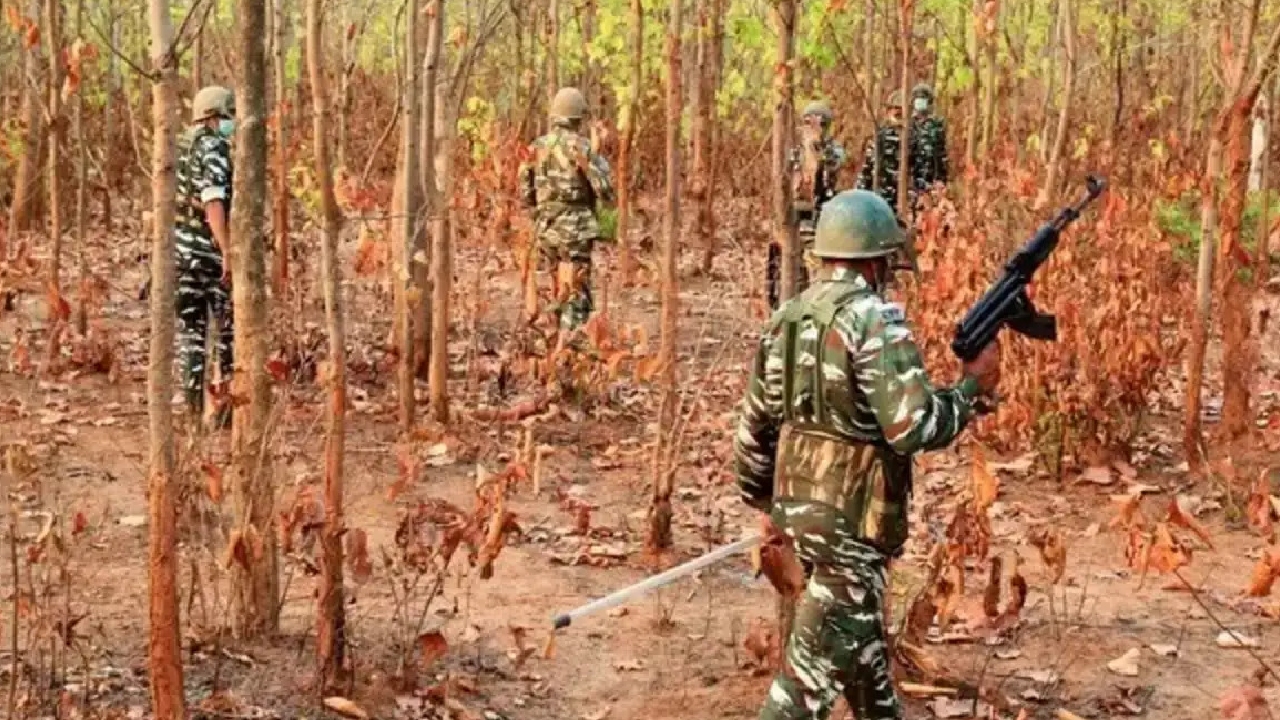
Security operations became more precise and effective, targeting the leadership and infrastructure of Naxal groups. Campaigns such as Operation Kagar dealt decisive blows to their command structure. Hundreds of extremists were neutralised, thousands arrested, and many more surrendered. Areas once considered inaccessible have now seen the return of governance and development.
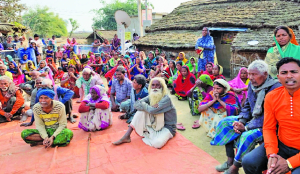
Equally important has been the restoration of public trust. My experience has taught me that the most powerful weapon against Naxalism is the confidence of the people. When communities stand with the state, extremism loses its base. Local youth have been empowered, trained, and integrated into security forces, playing a crucial role in this transformation.
Today, the results are visible. Violence has declined, development has accelerated, and hope has returned to regions that were once engulfed in fear. The so-called “Red Corridor” is shrinking, and the dream of a Naxal-free India is closer than ever.
The leadership of Narendra Modi and Amit Shah has demonstrated that even the most entrenched challenges can be overcome with determination, strategy, and a clear vision. Their efforts have not only strengthened internal security but also reaffirmed faith in India’s democratic framework.
As we move forward, it is essential to consolidate these gains. Development must continue, governance must deepen, and the trust of the people must remain at the centre of all efforts. Only then can we ensure that the shadow of Naxalism never returns.
The battle that once seemed endless is now nearing its conclusion. With sustained commitment and collective resolve, a peaceful, prosperous, and Naxal-free India is within our reach.
The writer is the Speaker, Chhattisgarh Legislative Assembly; views are personal