Middle East: A dangerous return to the ‘just war’ era
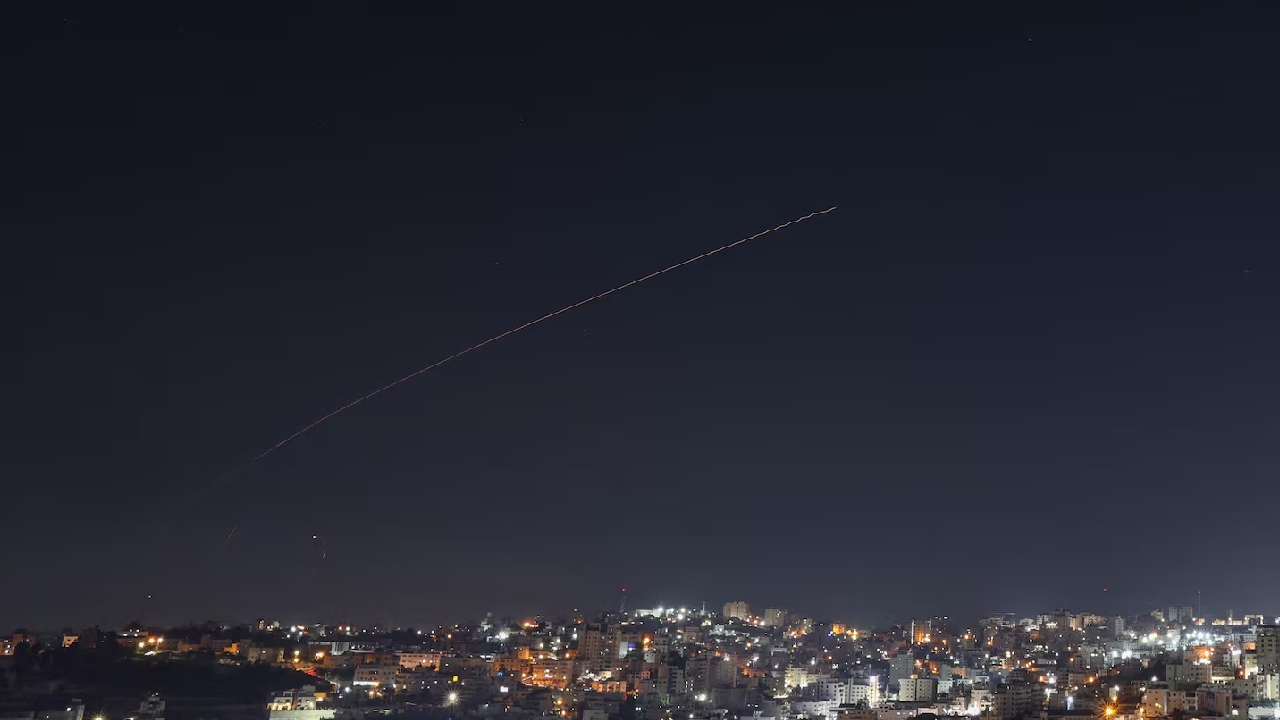
The recent US and Israeli airstrikes in Iran, which resulted in the death of Iran’s Supreme Leader Ayatollah Ali Khamenei, have dramatically escalated tensions in the Middle East. Iran’s retaliation through attacks on Israeli targets and several American military bases across the region has further intensified the crisis.
American President Donald Trump and Israeli Prime Minister Benjamin Netanyahu have defended the military operations by accusing Iran of long-standing anti-American and anti-Israeli activities. They allege that Tehran has consistently supported militant groups and has been secretly developing nuclear weapons capabilities that could eventually be used against Israel and the United States.
On this basis, Washington has described the strikes as acts of anticipatory and pre-emptive self-defence. Trump has also accused the Iranian leadership of turning against its own people. He has argued that the Khamenei regime suppressed freedoms and violently crushed protests during successive uprisings in recent months, leading to the deaths of thousands of Iranians. For some observers, the strikes may be viewed as a form of justice against an authoritarian regime accused of destabilising the region.
However, such actions also set a troubling precedent. Unilateral military operations carried out without broad international approval risk legitimising vigilante justice in a world that still claims to operate under an international legal order shaped by the United Nations. In the aftermath of these strikes, the international community appears increasingly divided. Some countries have strongly condemned the attacks as violations of international law and national sovereignty, while others have supported them as justified responses to security threats.
The growing number of conflicts in recent years has also exposed the limitations of the multilateral legal order established under the United Nations. Despite its mandate to maintain international peace and security, the UN system has often appeared ineffective in preventing wars or mediating disputes between powerful nations. This perceived helplessness has raised serious doubts about the relevance and effectiveness of existing international institutions and has prompted calls for reform in their structure and functioning.
Another emerging trend is the shift from multilateral diplomacy toward bilateral, trilateral and regional arrangements. Countries increasingly rely on strategic alliances and friendly nations to resolve disputes rather than turning to universal institutions such as the United Nations.
From an ethical perspective, unilateral military operations targeting political leaders raise serious concerns. Such actions undermine the principle of state sovereignty and risk normalising extrajudicial killings and unilateral punishment by powerful states. While regimes such as those in Iran and Venezuela have faced accusations of human rights violations, bypassing international legal procedures undermines due process and global norms. Civilian casualties resulting from such strikes further intensify moral and humanitarian concerns. Critics also argue that these actions reveal a pattern of double standards in international affairs.
This has led to accusations of hypocrisy and of America positioning itself as a self-appointed arbiter in global affairs. The current situation also evokes memories of the pre-World War I era, when war was widely accepted as a legitimate method of resolving disputes between nations.
During that period, states frequently resorted to unilateral military action, reprisals and countermeasures without a clear legal prohibition on the use of force.
It was only after the devastation of the Second World War that the United Nations Charter established a clear legal framework restricting the use of force. Article 2(4) of the UN Charter prohibits nations from using force against the territorial integrity or political independence of other states, except in cases of self-defence following an actual armed attack. The UN Security Council was entrusted with the responsibility of maintaining international peace and security.
However, the recurrence of wars and unilateral military actions suggests that the world may be drifting away from these foundational principles. Conflicts in the Middle East, the Russia-Ukraine war and other regional tensions have already inflicted immense human suffering and destruction. If such conflicts continue unchecked, they could push the world toward a larger humanitarian catastrophe. The international community must therefore confront a critical question: whether it will passively accept such conflicts as inevitable or work collectively to strengthen global institutions, reform existing mechanisms and develop effective alternatives for peaceful conflict resolution. Only through such efforts can the world hope to avoid a return to the destructive era of unrestraine.
The writer is Associate Professor Faculty of Law, University of Delhi; views are personal