Clean tech, dirty habits: India’s sustainability paradox
In a world overflowing with viewpoints, conservation discussions often gravitate towards renewable energy, green hydrogen, smart cities, electric vehicles, battery storage, and carbon markets. These technological breakthroughs and innovations are presented as solutions that will shape our environmental future.
They deserve the spotlight. However, what often gets overlooked is that we cannot consume our way out of climate change. The real challenge is behavioural.
Ecological deterioration and climate change are often debated as problems created by industries, governments, and macro-level financial systems. That is true, but only partially. We cannot ignore how environmental degradation is also the cumulative result of our everyday choices and practices that we, as a society and as communities, have normalised over time.
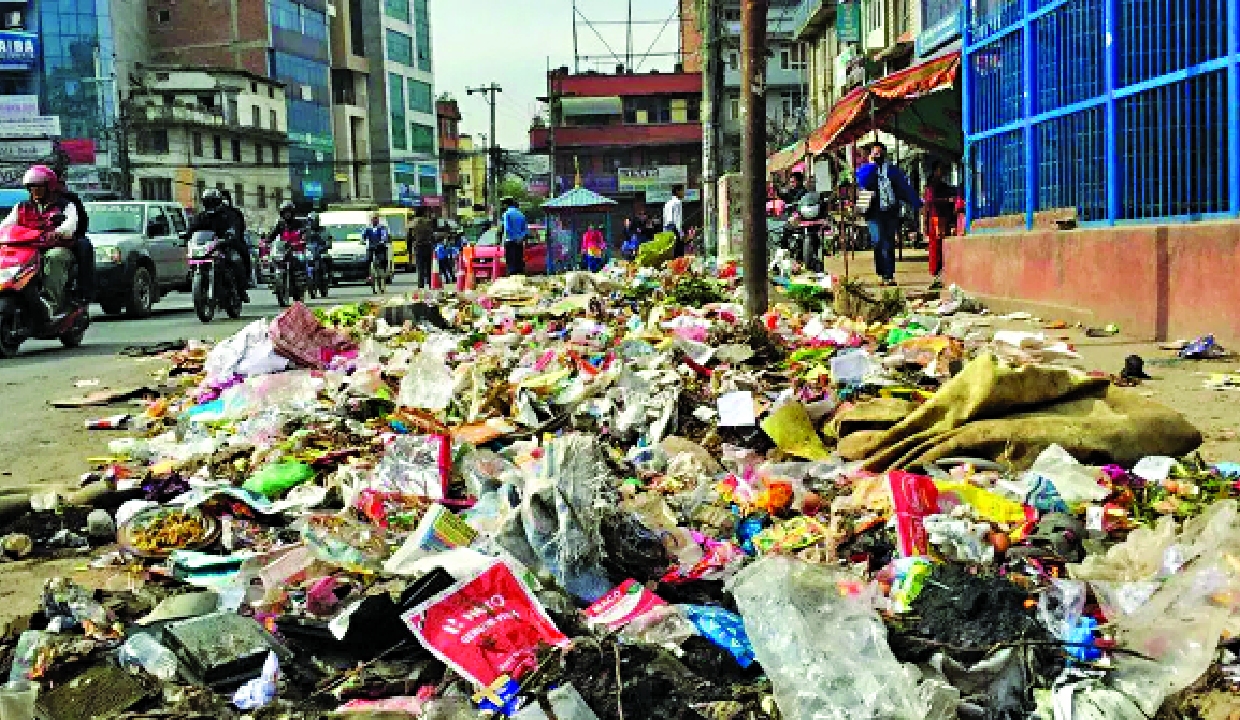
For instance, disposable plastic continues to be viewed through the prism of convenience rather than as a harmful pollutant. Indians are increasingly using personal vehicles for travelling short distances - even to a salon or a gym. We leave public places dirty while keeping our homes spotless. We compulsively buy fast fashion despite knowing its environmental toll. These seemingly harmless individual choices collectively form a large ecological footprint.
Consider this data point: globally, 92 million tonnes of textile waste is generated every year, according to the UNEP. And India is one of the largest textile and apparel markets in the world, and the third largest exporter in this sector.
The challenge is not only to build sustainable infrastructure in a country like India, but also to build planet-positive habits. Clean technology and dirty habits will not give us a sustainable future.
But there is a silver lining. India has demonstrated in the past that behaviour change is possible at scale. The eradication of polio required convincing millions of families to embrace vaccination. The adoption of LPG connections under clean cooking initiatives required changes in household behaviour. The change in sanitation practices was achieved by shifting cleanliness from a private chore to a collective civic duty. Alongside social change, India has also achieved financial revolutions through behaviour change. Consider how UPI and QR codes have transformed our financial transactions. In May 2026, 23.2 billion UPI transactions were carried out in India - a 24% year-on-year growth, according to data from the National Payments Corporation of India. As per NPCI, Indians carry out an average of 748 million daily transactions worth Rs 96,465 crore. From humble vegetable vendors to luxury showrooms, from essential medicine stores to places of worship, our digital payment system has metamorphosed from a niche practice into a mainstream habit.
These examples underline that meaningful change happened not only because policies existed, but because of behaviour change. Essentially, people seldom change behaviour out of fear or risk. It happens when the alternative behaviour makes their life easier, socially desirable, culturally accepted, and at times economically rewarding.
Environmental action requires a similar shift. Where environmental campaigns fall short is that the majority of messaging around ecological conservation is hinged on guilt, fear, or risk. People are constantly cautioned that climate change is an existential threat and that pollution is catastrophic. None of it is untrue. Yet fear, threat, or guilt rarely bring about the desired behaviour change. People gradually become indifferent.
Can carrying a steel water bottle be seen as modern rather than frugal? Can waste segregation become as socially expected as wearing a seatbelt while driving? Can carrying cloth bags to buy groceries be celebrated rather than invite raised eyebrows from neighbours? Can reusing clothes or taking public transport indicate civic maturity rather than economic limitation? Can we conserve water not as a sacrifice, but as responsible citizenship?
Social norms matter because human beings are deeply influenced by what they observe around them - they connect with and mirror their peers. Is it not the same principle on which the creator economy is flourishing?
So, when planet-positive behaviour becomes more visible and admired, and its adoption is celebrated, change will happen faster.
India’s upwardly mobile middle class will play a crucial role in this transition. Rising income is changing consumption patterns. The question now is whether a resource-intensive lifestyle or planet-positive choices will be seen as symbols of growth, status, and societal maturity. Slight nudges often accomplish results that regulations alone cannot. That is why public policy should consciously adopt behavioural insights.
The real transition will not happen in laboratories, industries, or boardrooms alone - it will happen in kitchens curbing food waste, in offices reducing consumption, in gated communities managing waste responsibly, and in people choosing how they shop, travel, and use resources.
Technology will remain vital in mitigating ecological challenges. But technology alone cannot build climate resilience - it equally depends on changing our habits: the way we live, consume, and care.
Shweta Thakur Nanda is the founder and MD of Morning Sprout Consulting Pvt Ltd; Views presented are personal.