Living between two democracies, voting in none
Whoever said you couldn’t be in two places at the same time was wrong. Immigrants live in exactly that condition, constantly split between two worlds.
There is the host country, where they build their lives and livelihoods, and the home country, where their roots remain. Between the two lies a complicated process of acculturation - part assimilation, part erasure - never entirely complete.
Their identity becomes a shapeshifting, complex mass, shaped by the cultures, regions, and people they encounter. Anything that happens in the home country, from sociopolitical tensions to public health crises, from the governance of a political party to even the threat of war, indirectly affects them. At the same time, developments in the host country, such as immigration laws, economic shifts, job market instability, and rising taxes, shape their everyday realities just as deeply.
Yet, despite being deeply affected by both, immigrants often have no meaningful political voice in either.
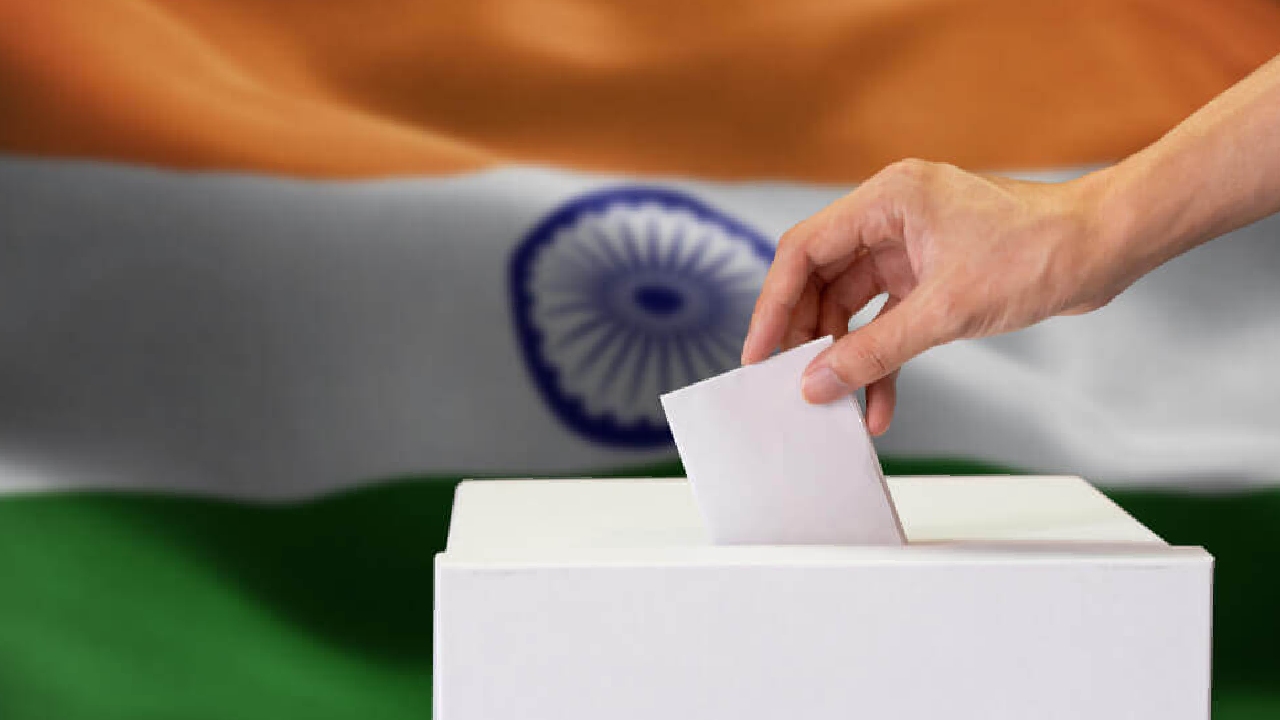
India today has one of the largest immigrant diasporas in the world, with over 32 million people of Indian origin living abroad, according to the Ministry of External Affairs. Yet the number of those able to participate in Indian democracy remains strikingly small. In the 2024 general elections, only about 119,000 overseas Indians were registered as voters, and of those, just 2,958 reportedly travelled to India to cast their vote. That is not low participation. It is near exclusion.
The reasons are structural. While overseas Indians can register as voters, the law requires them to be physically present at their designated polling booth. For many, this is not a simple matter of booking a flight. Visa restrictions, work commitments, financial costs, and immigration-related constraints make it extremely difficult to return to India solely to vote. For those on temporary work visas, even short travel can carry professional and legal risks.
At present, there is no provision for online voting and no postal ballot system for most non-resident Indians. Proposals for proxy voting and remote voting mechanisms have been discussed in Parliament and by the Election Commission for several years, but they remain largely unimplemented. In effect, the right to vote exists, but access to it does not.
At the same time, in the countries where they live and pay taxes, millions of immigrants, including H-1B visa holders, international students, and even long-term green card applicants, have no voting rights at all. In the United States alone, there are over 2 million Indians, many of whom are part of the highly skilled workforce in sectors such as technology, healthcare, and academia. They contribute significantly to economic growth and innovation, yet remain outside the democratic process.
The result is a quiet but profound disenfranchisement. The irony is stark. Immigrants are shaped by the politics of both their host and home countries, yet remain largely excluded from the political processes of either. They contribute economically, intellectually, and culturally, yet have little say in how systems function.They pay taxes to structures they have no hand in shaping.
They exist in the messy in-between, where “immigrant” is no longer just a status, but a defining identity.They live in a political limbo, neither here nor there. On one side, immigrants in countries like the United States help drive key industries, from Silicon Valley to public health systems, yet remain excluded from voting. On the other, their connection to India often deepens with distance. Many become more attentive to Indian politics, more emotionally invested in national identity, and more engaged in public discourse than when they lived in the country.Yet they remain largely excluded from shaping its political future in any meaningful way.They become, in a sense, political orphans.
The sharpest minds — engineers, doctors, researchers — find themselves subject to policies they cannot influence, waiting on administrations they cannot elect, and living under decisions they cannot shape. Travel costs, job constraints, and immigration restrictions make participation in home-country elections impractical for most, widening the gap between citizenship and civic agency.
This is not just brain drain.This is vote vain, a loss not merely of talent, but of democratic voice. The messiness of being in two places, but in reality, the politics of being nowhere.
India received over 125 billion dollars in remittances in 2023, the highest in the world, much of it sent by this very diaspora. Immigrants continue to sustain families, communities, and even national economies from afar. Yet their political voice remains muted. You don’t realise the weight your name carries until someone calls you by it. In the same way, you don’t realise the power of your vote until it is taken away or rendered impossible to use. This is the problem haunting so many Indians abroad, and it needs real solutions and structural policies, not more waiting.
The writer is an author and public health researcher; views are personal