India can beat non-communicable diseases with yoga and naturopathy
The world today is confronting a silent but devastating epidemic: the relentless rise of Non-Communicable Diseases (NCDs). Chronic illnesses such as heart disease, diabetes, cancer and respiratory disorders now account for nearly three-quarters of global deaths, according to the World Health Organisation. In India, the situation is even more concerning. NCDs are responsible for nearly two-thirds of all deaths, affecting millions of families and placing enormous pressure on the country’s healthcare system.
What makes this crisis particularly troubling is that most of these illnesses are largely preventable. Their primary drivers are not unknown pathogens but the way modern societies live. Sedentary lifestyles, chronic stress, ultra-processed food consumption, disrupted sleep cycles, tobacco and alcohol use, environmental pollution, and weakening social support systems have collectively created a perfect storm for chronic illness. As human lifestyles have drifted further away from biological balance, diseases linked to metabolism, stress and inflammation have surged in parallel.
For decades, medical systems around the world have focused largely on treatment—intervening after disease has already developed. Hospitals, drugs and advanced procedures remain essential, but they are increasingly proving insufficient to tackle a crisis. What the present moment demands is a shift toward prevention and management.
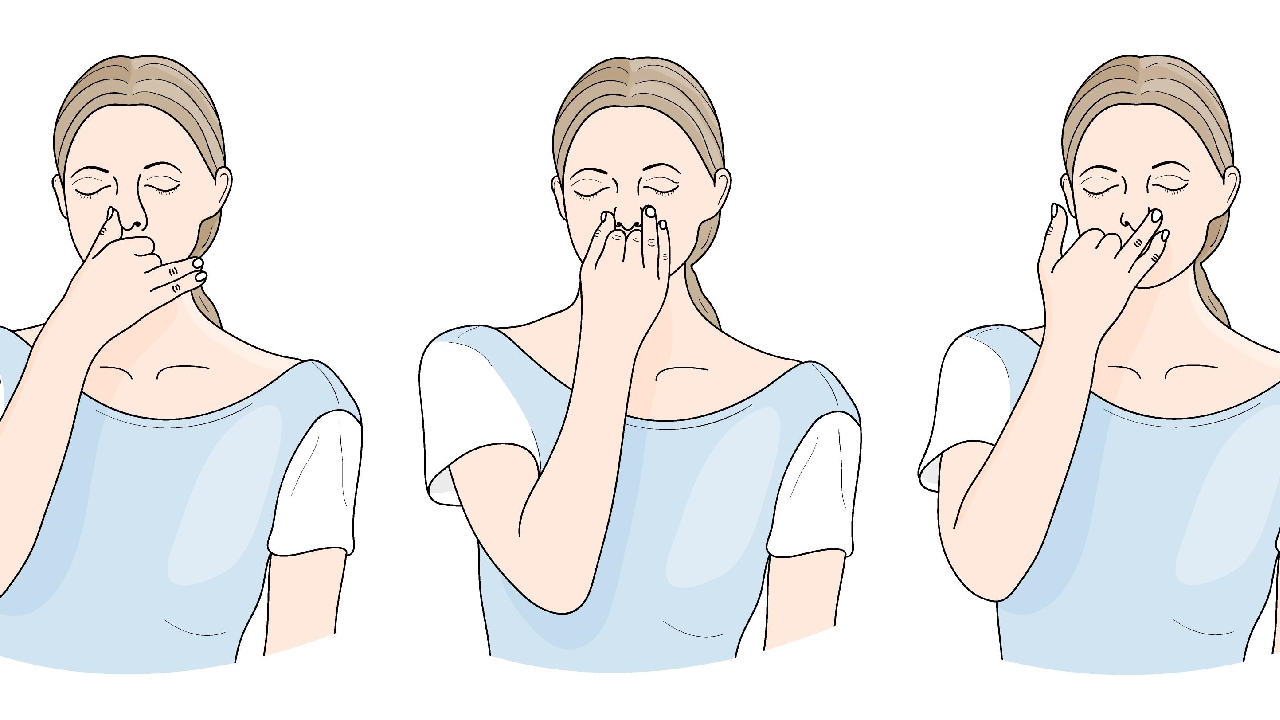
A new consensus is gradually emerging around the importance of integrative medicine. This approach combines conventional clinical care with scientifically validated lifestyle interventions. The goal is not merely to treat disease but to address its underlying causes. Within this evolving framework, Yoga and Naturopathy occupy a particularly important space. Far from being fringe or “alternative” therapies, these disciplines increasingly align with the principles of modern lifestyle medicine. They directly address many of the most significant risk factors associated with NCDs—physical inactivity, stress, obesity, hypertension, poor diet, respiratory dysfunction, metabolic inflammation, sleep disturbances and emotional disorders.A growing body of clinical research supports the effectiveness of lifestyle-based interventions. Studies consistently demonstrate that structured yoga practices, natural therapies, dietary correction, hydrotherapy, and stress-management techniques can significantly reduce blood pressure, improve blood sugar control, lower cholesterol levels, enhance lung function, and alleviate chronic pain. In several cases, early markers of heart disease and metabolic dysfunction have even shown signs of reversal when lifestyle interventions are applied consistently. India, interestingly, already possesses a major but under-recognised strength in this field. Across the country, more than 100 medical colleges are currently training physicians in Bachelor of Naturopathy and Yogic Sciences (BNYS), along with postgraduate specialists.
If present trends continue, these institutions are expected to produce nearly 50,000 qualified professionals by 2035. BNYS physicians undergo structured medical education that includes anatomy, physiology, pathology, diagnostics, clinical medicine, nutrition, rehabilitation and advanced yoga-based therapeutics. Their training enables them to function as primary-care lifestyle medicine practitioners who can help patients prevent disease progression, manage chronic conditions, and reduce dependence on hospital care. However, despite this potential, the Yoga and Naturopathy sector still faces important challenges. Standards of practice remain uneven in some areas, and the absence of comprehensive statutory regulation limits the system’s ability to fully integrate into mainstream healthcare. Establishing clear regulatory frameworks is therefore essential. Proper oversight would help standardise education, licensing and clinical guidelines while protecting patients from unqualified practitioners. It would also strengthen the credibility of Yoga and Naturopathy in research collaborations, international partnerships and public health programmes.
At a time when India is confronting a rapidly expanding burden of lifestyle diseases, failing to harness a trained preventive-medicine workforce would be a missed opportunity.There is also a larger global dimension to this discussion. Yoga and naturopathy are not borrowed concepts—they originate from India’s own civilisational knowledge systems. Today, as healthcare systems worldwide search for sustainable ways to manage chronic disease, these traditions are attracting renewed international interest.With appropriate regulation, academic strengthening and integration into national health programmes, India has a unique opportunity to position itself as a global leader in evidence-based lifestyle medicine. The need of the hour is clear: recognise the scale of the NCD crisis, strengthen preventive healthcare, integrate lifestyle medicine into national policy, and empower the growing BNYS workforce to play a meaningful role in public health. The choices made today will determine the health of the next generation. The moment to act is now.
Dr Rajesh Kumar Singh is the Executive Director of Indian Naturopathy & Yoga Graduates’ Medical Association (INYGMA); views are personal