From the forest to the Red Fort: A new tribal discourse
India’s tribal communities have often lived at the margins of public conversation, even though they remain deeply connected to the soul of Indian civilisation. The Janjati Sanskritik Samagam held at Delhi’s Red Fort on May 24 sought to change that reality. More than a government-sponsored cultural gathering, it became a powerful reminder that tribal identity is not separate from India’s national identity - it is one of its oldest and strongest foundations.
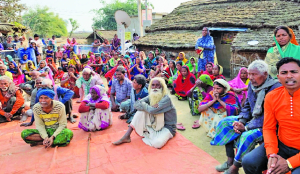
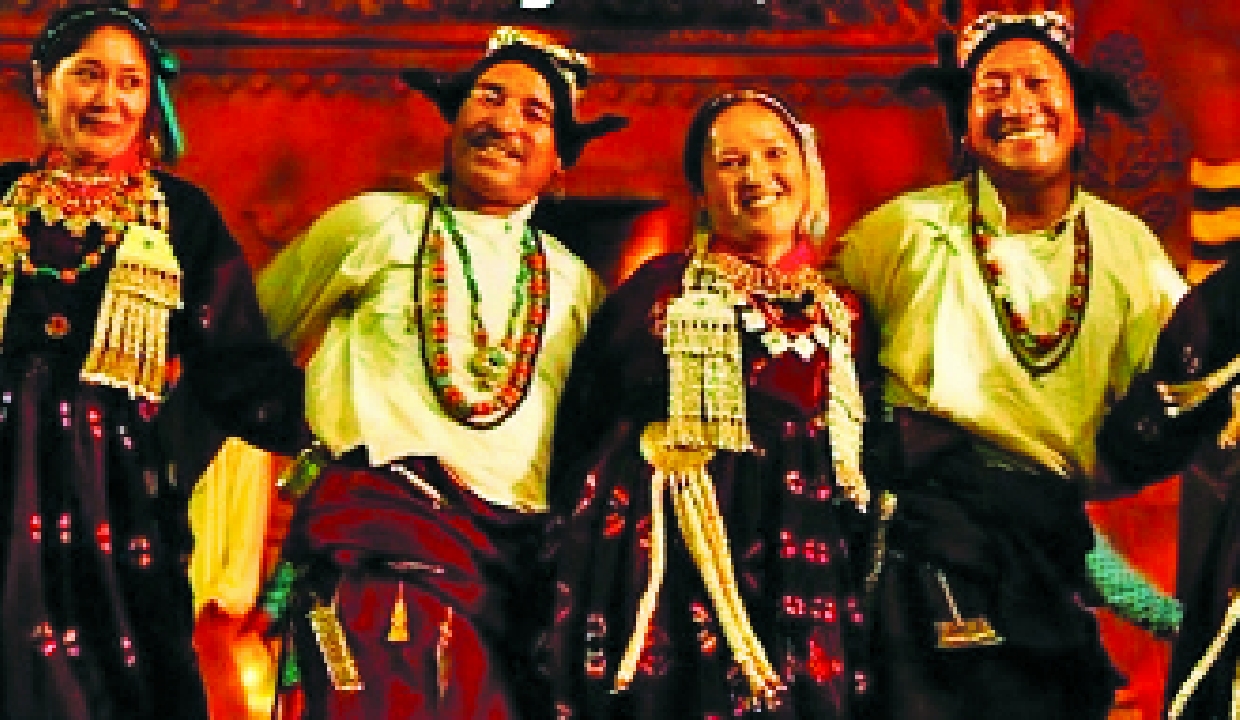
For many who arrived in Delhi from remote forests and hilly regions, this was their first visit to the national capital. They did not come merely as beneficiaries of welfare schemes or participants in a cultural programme. They came carrying centuries of memory, tradition, and resilience. As tribal songs echoed through the Red Fort and traditional drums filled the air, the event created a rare moment where the country’s political center connected with its civilizational roots.
At the heart of the Samagam was the legacy of Bhagwan Birsa Munda, lovingly remembered as “Dharti Aaba”-the Father of the Earth. His 150th birth anniversary has become a rallying point for a wider tribal awakening across the country. Birsa Munda was not simply a freedom fighter who challenged British rule. He stood for something much deeper - the right of tribal communities to protect their land, culture, faith, and way of life.
When Birsa Munda called for “our rule” instead of the “Queen’s rule,” he was speaking about dignity and selfhood. He believed tribal society should not lose its identity to outside forces. That message continues to resonate strongly today.
The larger ideological vision behind the Samagam also reflects a long-held belief associated with the Rashtriya Swayamsevak Sangh- that tribal communities are not outside the Indian mainstream, but are an inseparable part of Bharat’s cultural family. The phrase heard repeatedly during the event, “Tu-Main Ek Rakt” (You and I are one blood), captured this sentiment beautifully. It sought to reduce the emotional distance between the tribal citizen, the villager, and the urban Indian.
For decades, tribal communities have often been viewed only through the language of poverty, welfare, or backwardness. The Samagam tried to replace that gaze with one of respect and belonging. It reminded urban India that tribal traditions are not relics of the past, but living knowledge systems rooted in harmony with nature, community life, and spiritual balance.
Yet behind the celebration lies a deep concern that many tribal leaders openly expressed - the fear of losing their cultural identity through large-scale religious conversions and outside influence. Across several tribal regions, there is growing unease that missionary-driven conversions are slowly weakening traditional customs, local belief systems, and community bonds that have survived for generations.
It is this concern that has brought the issue of “de-listing” converted Scheduled Tribes into sharp national focus. Organizations such as the Janjatiya Suraksha Manch have been particularly vocal in arguing that constitutional benefits meant for Scheduled Tribes should remain with those who continue to preserve tribal customs, traditions, and social practices. Their argument is that reservations and constitutional protections were originally designed to safeguard vulnerable indigenous communities and their unique identities, not to encourage religious and cultural disconnection from those roots.
Supporters of de-listing believe that if large-scale conversions continue unchecked while constitutional benefits remain unchanged, tribal identity itself may weaken over time. They argue that preserving tribal civilisation requires legal and constitutional safeguards that protect original traditions and discourage cultural fragmentation. Alongside cultural preservation is the equally important question of self-governance. Tribal communities continue to demand stronger implementation of the PESA Act in Fifth Schedule areas so that local people retain control over land, forests, and village institutions. For them, real empowerment is not just about roads, subsidies, or welfare announcements. It is about having the right to protect their traditions and make decisions about their own future.
At the same time, there is also a visible shift in the tribal landscape. Increasingly, tribal communities are moving from dependence to entrepreneurship. Government initiatives such as PM-JANMAN and the Dharti Aba Janjati Gram Utkarsh Abhiyan aim to combine economic development with cultural confidence.
Traditional tribal products- textiles, forest produce, herbal knowledge, handicrafts- are now finding larger markets. Platforms such as Aadi Mahotsav are helping tribal artisans connect directly with buyers while preserving the authenticity of their work. This is important because economic growth becomes far more meaningful when it strengthens identity instead of erasing it. Another encouraging step is the effort to bring tribal heroes and histories into the national mainstream. For too long, the sacrifices of tribal freedom fighters remained absent from schoolbooks and public memory. Museums dedicated to tribal resistance movements are helping correct that silence and giving younger generations role models rooted in their own history.
The Janjati Sanskritik Samagam ultimately represented more than a cultural event. It reflected a growing national recognition that tribal communities are not passive recipients of development, but equal partners in shaping India’s future.
The real success of such efforts, however, will depend on whether cultural pride is matched by long-term respect for tribal identity, traditions, and self-governance. India’s tribal communities do not seek charity; they seek recognition, dignity, and the freedom to preserve the civilizational heritage they have protected for centuries.
The writer is an Assistant Professor of Political Science at the University of Delhi; Views presented are personal.