Electrifying growth in the capital
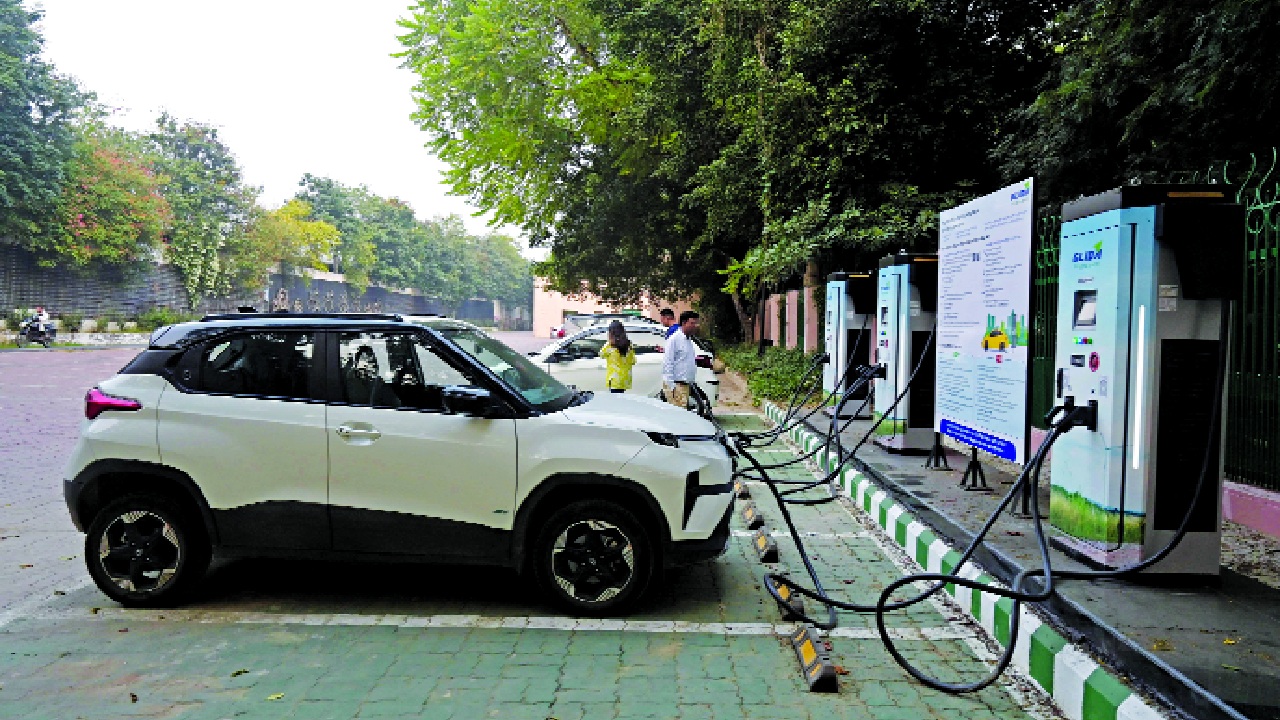
This past Saturday, as one state, Karnataka, announced that it was effectively withdrawing incentives for electric vehicles, particularly four-wheelers, the government of Delhi announced an extremely generous policy offering subsidies and benefits to buyers of electric vehicles. Such demand-side subsidies, particularly for two — and three-wheelers, as well as benefits on road tax and registration for four-wheelers below thirty lakh, if approved, are being seen as a positive step.
Or is it?
I would like to raise a couple of points here. Demand-side subsidies for electric vehicles, when the industry was nascent, were important to get sales moving along. Whether through FAME or PM-eDRIVE, these subsidies have had a huge impact.
In the three-wheeler space (non e-rickshaw), data released by the Federation of Automotive Dealer Associations, itself collated from the VAHAN portal of the Ministry of Road Transport and Highways (MoRTH), shows that over 60 per cent of three-wheelers sold across India last year were electric. Clearly, while subsidies helped, passenger and cargo operators saw the significant operating benefits of electric vehicles.
Running any electric vehicle is much cheaper than running an internal combustion engine, by a factor of five to ten times. When costs matter, particularly for commercial operators, this makes a significant difference to livelihoods.
There is no doubt that the central and state governments want to reduce India’s dependency on oil and gas imports. This has become an even more vital issue today with the ongoing crisis in West Asia. Thankfully, major progress has been made in improving India’s electricity grid and supply infrastructure, but challenges remain in EV adoption across the board, and instead of simple demand-side subsidies, including the lower rate of GST for EVs, these issues must be addressed more urgently through supply-side interventions.
While the Performance Linked Incentive (PLI) scheme has had some success in encouraging manufacturing, the main problem remains charging. This is particularly acute for passenger vehicles. An urban commuter today in any major city should ideally consider an electric vehicle but faces significant issues with charging — not just due to a lack of commercial charging infrastructure, but mainly at home. As Indians increasingly live in apartments, many such societies have placed unreasonable roadblocks in installing chargers, and many who wish to buy an EV face hurdles in installing either personal or even community chargers. This issue needs to be addressed if electric vehicle adoption is to reach 10-15 per cent of all vehicles sold.
One interesting aspect of the new Delhi EV policy is the 50 per cent reduction in road tax for strong hybrid vehicles. Some have criticised this as an unnecessary incentive, but sales of hybrids are increasing across the world, including in China, where EV subsidies have
been reduced. This is particularly interesting this year, as several manufacturers have announced that they will be launching new hybrid models in the market.
The promotion of electric vehicles is admirable by the Delhi government, as there is no doubt that vehicular pollution is a problem in the metropolis. However, several issues still need to be resolved, and these will require hard work rather than simply providing subsidies.
As an automotive evaluator, I believe electric vehicles have come a long way in the past decade. Electric vehicles are now enjoyable and reliable to drive, and range is largely not an issue. Sure, an EV may not fulfil every single niche in the market, which is why hybrids are also important.
While subsidies may continue for a few more years, I believe it is time that electric vehicles — whether scooters, three-wheelers, or passenger vehicles-stand on their own merit. One does not want a situation where EV sales collapse once subsidies are withdrawn. That is why building robust infrastructure and encouraging more chargers in residential areas, as well as battery-swapping stations, is crucial and should be the main focus of state governments.
The writer is Director and the Printer & Publisher of The Pioneer; views are personal