Delhi MCD to modernise dispensaries into Ayushman Arogya Mandirs
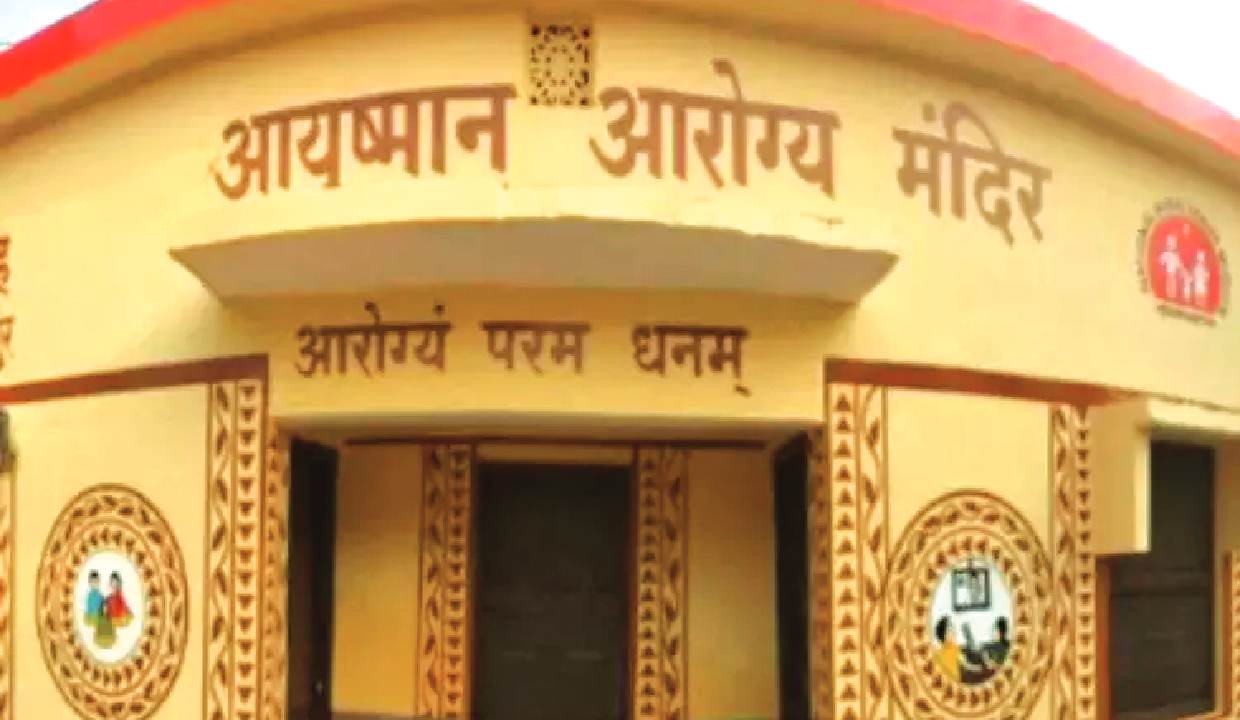
The Municipal Corporation of Delhi (MCD) is modernising neighbourhood dispensaries into Ayushman Arogya Mandirs (AAMs).
Officials said 161 AAMs are operational, with another 219 in progress. Existing dispensaries, maternity centres, and vacant municipal buildings are being repurposed into comprehensive healthcare hubs, expanding the AAM network across Delhi.
Additional Commissioner (Health) Pankaj Naresh Aggarwal stated that the initiative marks a shift in approach from limited, selective healthcare delivery to a more comprehensive and inclusive primary healthcare system. “Ayushman Arogya Mandirs are being developed as upgraded versions of existing facilities, enabling MCD to rapidly expand coverage without creating new infrastructure from scratch,” he said.
Unlike earlier dispensaries, which largely focused on maternal and child care or basic outpatient services for specific population groups, AAMs function as one-stop primary healthcare centres for all citizens. They provide preventive, promotive, curative and rehabilitative services under one roof, significantly widening the scope of care at the neighbourhood level.
Maternal and child health services form a core component of the AAMs. These centres offer regular health check-ups for pregnant women and management of anaemia and hypertension during pregnancy. They also provide care for post-delivery and lactating mothers, and treatment of gynaecological ailments. For children, services include complete immunisation against vaccine-preventable diseases and treatment of common childhood illnesses, such as diarrhoea, pneumonia, and upper respiratory infections. The centres also screen children for anaemia.
MCD is also using the AAM platform to strengthen school health services. Students in MCD-run schools are being medically screened at these centres, enabling early identification of health issues and timely referral or treatment.
A key focus area under the expanded AAM network is adolescent health. The centres provide counselling to adolescent girls and boys on nutrition and age-specific health concerns. Special emphasis is placed on menstrual hygiene education for adolescent girls, along with free distribution of sanitary pads, aimed at improving awareness, dignity and overall health outcomes.
Aggarwal said Ayushman Arogya Mandirs are also equipped with enhanced diagnostic and laboratory facilities, which were either unavailable or limited in earlier dispensaries.
At least 14 key tests are currently available at these centres, including haemoglobin estimation, urine tests, blood sugar tests, malaria tests, HIV tests, dengue tests, and hepatitis B tests.
Additional diagnostic services will be made available through outsourced laboratories, ensuring early detection and timely treatment of diseases at the community level.
Health officials said the strategy of upgrading existing facilities into AAMs has helped MCD rapidly increase the base of Ayushman Arogya Mandirs while optimising resources.
By converting already operational dispensaries and centres, the corporation is able to scale up services, standardise care and bring advanced facilities closer to residential areas.
The expansion of AAMs is also expected to reduce the burden on secondary and tertiary hospitals by addressing common health issues at the primary level. Officials said this will improve referral systems and allow hospitals to focus on more critical cases.