CM implements action plan to restore Yamuna
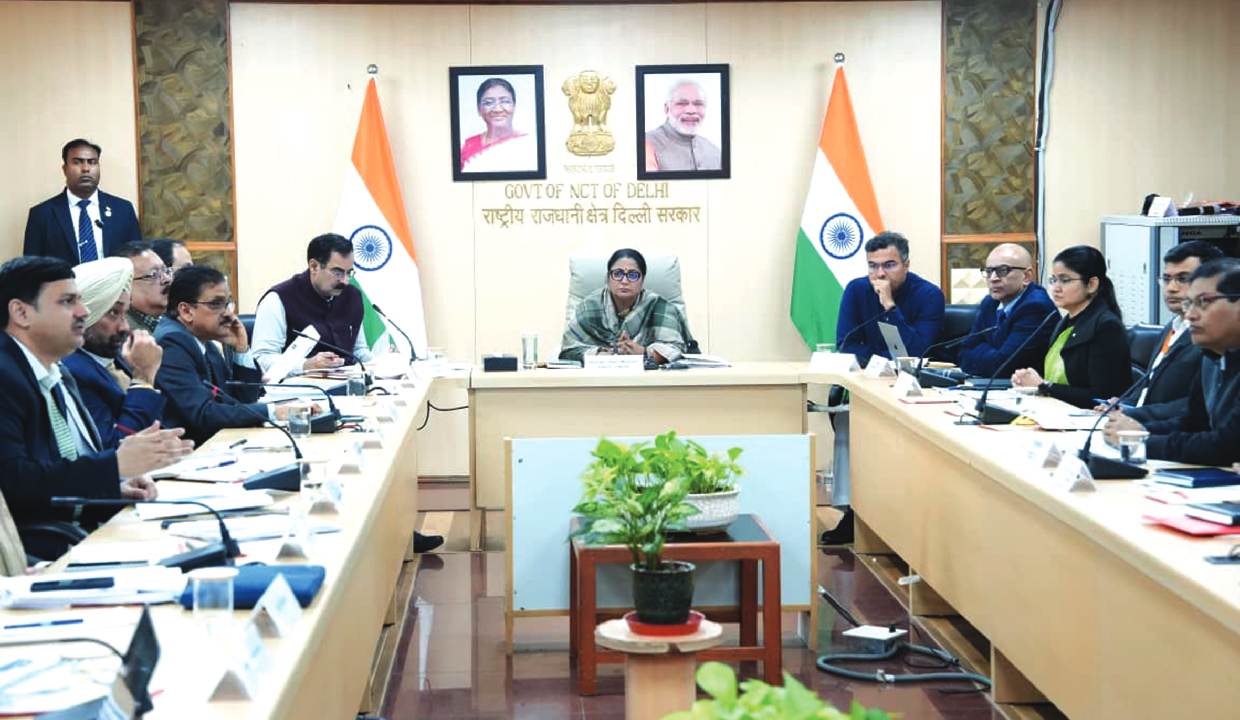
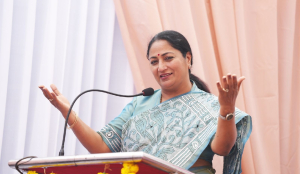
Delhi Chief Minister Rekha Gupta on Wednesday directed the implementation of a mission-mode action plan to restore the Yamuna. The Chief Minister set ambitious targets to stop the flow of untreated sewage into the river and significantly expand Delhi’s sewage treatment capacity by 2028. The plan includes increasing sewage treatment capacity from the current 814 million Gallons per Day (MGD) to 1,500 MGD, connecting all unauthorised colonies to the sewer network and using drones to monitor drains and pollution sources.
The directions were issued during a high-level review meeting at the Delhi Secretariat attended by Minister for Irrigation and Flood Control Pravesh Sahib Singh and senior officials from the Delhi Jal Board (DJB), Municipal Corporation of Delhi (MCD), Public Works Department (PWD), Delhi Pollution Control Committee (DPCC), Delhi Development Authority (DDA) and other agencies. The meeting reviewed the status of sewage treatment, drain cleaning, sewer connectivity and interdepartmental coordination for Yamuna rejuvenation.
Calling the Yamuna the lifeline of Delhi, the Chief Minister said the Government was pursuing scientific planning, fixed timelines and close coordination with neighbouring States to clean the river. She said the current sewage treatment capacity meets present requirements but is inadequate for future needs and rapid urban growth.
Officials informed the meeting that Delhi currently has 37 sewage treatment plants treating 814 MGD of wastewater. Under the new plan, 56 MGD capacity will be added by upgrading existing facilities by December 2027. Another 170 MGD will be created through 35 new decentralised sewage treatment plants, while large plants near major drains will add 460 MGD by December 2028. The expanded capacity, the Chief Minister said, will ensure that untreated sewage no longer enters the Yamuna.
A major focus of the plan is sewer connectivity in unauthorised colonies and JJ clusters, which remain a key source of pollution. Out of Delhi’s 675 JJ clusters, sewer work has been completed in 574, while single-point sewage collection arrangements are being put in place in 65 clusters. The Chief Minister directed that all 1,799 unauthorised colonies be connected to the sewer network in phases between December 2026 and December 2028, stressing that the river cannot be fully restored unless every household is linked to the sewer system.
For closer monitoring, the Government has introduced a new surveillance mechanism for drains. DPCC and the Central Pollution Control Board are conducting monthly water quality testing at 47 identified hotspots.
Drone surveys of minor drains connected to the Najafgarh and Shahdara drains are to be completed by January 2026, while surveys of the remaining drains will be finished by June 2026. In addition, drone mapping of 22 major drains discharging into the Yamuna will be carried out, with monthly testing of their water quality.
The Chief Minister underlined the need for coordination with neighbouring states, noting that six drains from Haryana flowing into the Najafgarh drain contribute 33 per cent of polluted water, while four drains from Uttar Pradesh entering the Shahdara drain account for nearly 40 per cent. She said she would personally take up the issue with the chief ministers of Haryana and Uttar Pradesh.
She also directed the Irrigation and Flood Control Department to identify land for bio-mining and processing plants for scientific disposal of silt removed from drains and roads, and asked the DDA to prepare a plan for developing permanent ghats along the Yamuna. Strict action was ordered against polluting industries, with regular inspections of effluent treatment plants.
Minister Pravesh Sahib Singh said all major drain and sewer network works under the Yamuna Rejuvenation Mission would be completed by 2028, marking Delhi’s largest-ever coordinated effort to revive the river.