India in talks with US as Chabahar port sanctions waiver nears end
India has confirmed that it is holding discussions with the United States to ensure continuity of its projects at Iran’s Chabahar Port, as a key US sanctions waiver supporting the initiative approaches its expiry later this year.
The Ministry of External Affairs (MEA) said on Friday that New Delhi is working closely with Washington within the framework of the existing exemption, which remains valid until April 26, 2026. The waiver is essential for India to sustain its involvement at the strategic port, which is central to its connectivity plans with Afghanistan and the wider Central Asian region.
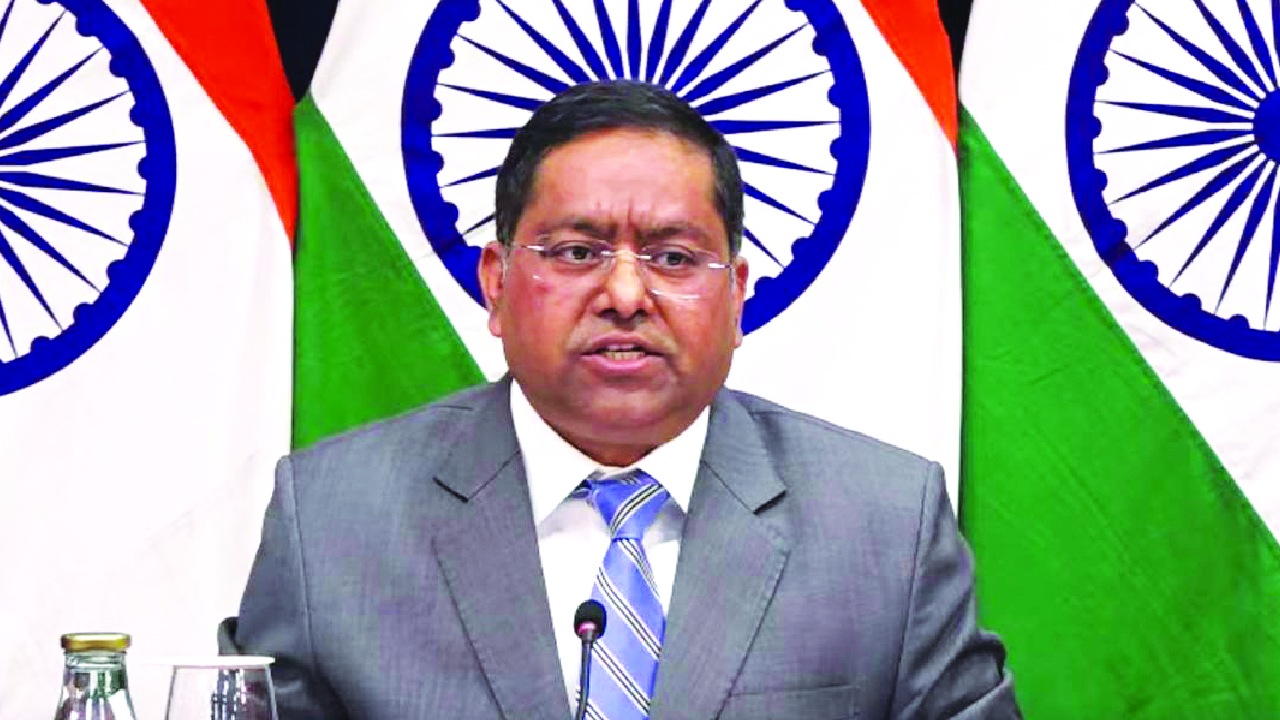
MEA spokesperson Randhir Jaiswal noted that the US Treasury Department had communicated the unconditional waiver to India in October last year. “We are aware that the current waiver expires on April 26, 2026. Engagements with the US are ongoing to ensure that our activities at Chabahar can continue in accordance with this arrangement,” he said. Chabahar Port holds significant strategic value for India as it provides a direct route to Afghanistan and Central Asia while bypassing Pakistan.
Over the years, New Delhi has positioned the port not only as a gateway for trade but also as a critical node for humanitarian assistance, facilitating the shipment of food and medical supplies to Afghanistan.
The current waiver follows earlier short-term exemptions granted by the US after previous sanctions relief periods ended, offering India temporary breathing space to sustain its connectivity initiatives. However, the situation gained greater stability in 2024 when India and Iran signed a 10-year agreement granting Indian entities long-term operational rights at the port, replacing years of interim arrangements.
Beyond bilateral trade, Chabahar is increasingly viewed as a regional transit hub. India has plans to integrate the port with the International North-South Transport Corridor (INSTC), potentially opening faster and more cost-effective trade routes linking India with Central Asia, Russia and Europe.
Interest in Chabahar has also grown among other regional players. Landlocked Central Asian countries such as Uzbekistan have explored using the port as an alternative maritime outlet, while Russia has examined options to route portions of its India-bound trade through Chabahar via Central Asia. These developments have added to the port’s geopolitical and economic relevance at a time when many countries are seeking alternatives to routes dominated by China’s Belt and Road Initiative.
As the April deadline nears, the outcome of India-US discussions will be closely watched, given Chabahar’s expanding role in regional connectivity and India’s broader strategic outreach.