DJB to deploy 600 electric water tankers to boost supply
The Delhi Jal Board (DJB) on Wednesday cleared a sweeping set of decisions aimed at overhauling Delhi’s water supply and sewerage systems, including the deployment of 600 Electric Vehicle (EV) water tankers.
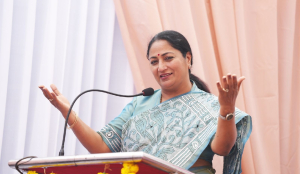
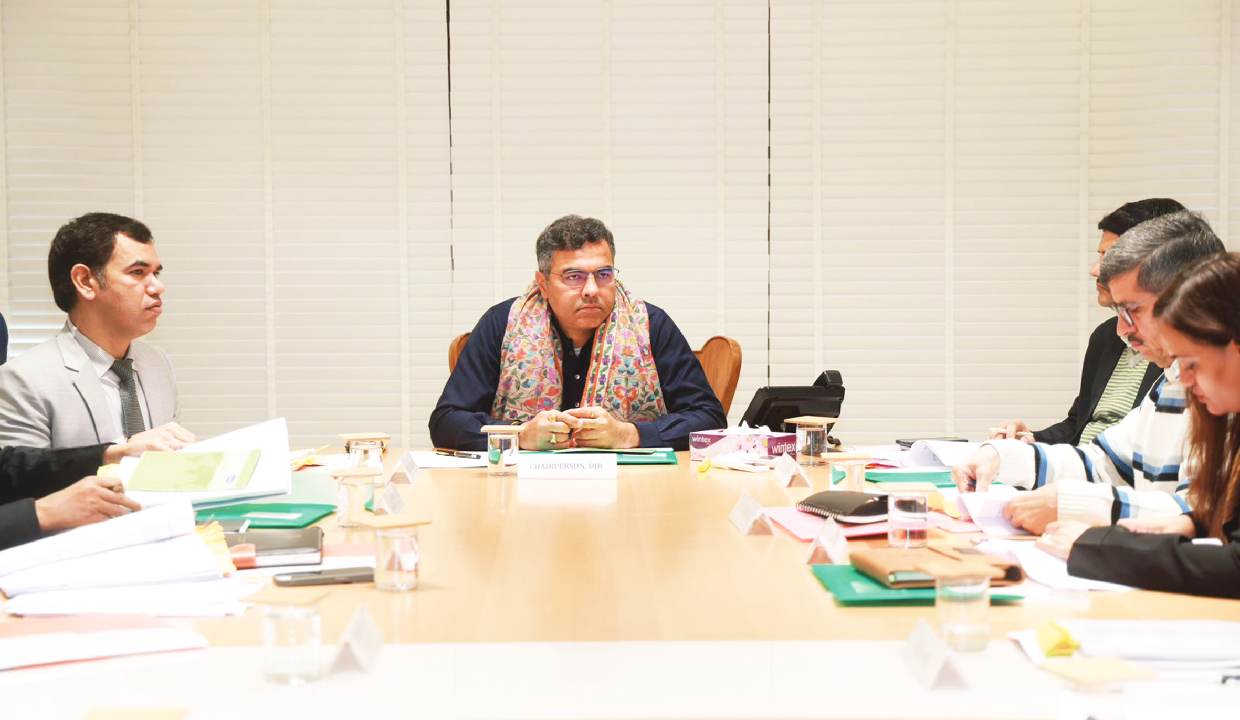
The initiative aims to dismantle the grey market in tanker operations and ensure clean, transparent water delivery across the Capital. The approvals were granted at the 176th meeting of the DJB, chaired by Water Minister Parvesh Sahib Singh.
The move to introduce 600 EV-mounted water tankers is being seen as a structural reform of Delhi’s tanker-based water supply system, which has long been criticised for pollution, lack of accountability and unregulated pricing. Among the total approved fleet, 300 EV tankers will be used exclusively for free water supply in residential areas, especially in water-stressed and underserved localities. The remaining 300 tankers will cater to commercial and institutional users on a regulated payment basis, bringing formal oversight to a sector dominated by private operators.
All the tankers will be fitted with stainless steel water tanks to ensure safety and hygiene and will be monitored through GPS tracking. An app-based system will allow booking, tracking and real-time monitoring of deliveries, enabling citizens to know the source, movement and timing of the water supply.
The shift to electric vehicles is also expected to significantly cut emissions from tanker operations. “This is not a temporary fix but a long-term reform. With 600 EV water tankers, 300 for free residential supply and 300 for regulated commercial use, we are curbing the grey market, reducing pollution and ensuring transparency in water delivery,” Parvesh Sahib Singh said.
In another key decision, the DJB approved the revival of the pondage area at the Wazirabad Barrage, a critical raw water source for Delhi. Over the years, the storage capacity at the barrage has reduced sharply due to heavy silt deposition. The approved project focuses on scientific desilting and restoration of the pondage area to improve water availability ahead of the summer months.
Officials said that, unlike earlier desilting exercises that required significant expenditure, the Wazirabad project will, for the first time, generate revenue for the DJB through monetisation of the removed silt. The move is expected to strengthen Delhi’s water security while reducing the financial burden on the Board.
The Board also approved sewer connectivity projects for four groups of colonies, Sangam Nagar, Ranhola, Wazirabad and Begumpur, addressing long-pending sanitation gaps in unauthorised colonies. These works will connect thousands of households to the formal sewer network, benefiting an estimated 12.5 lakh residents. The projects, to be completed within six to twelve months, will divert sewage to designated treatment plants and reduce pollution flowing into drains and the Yamuna.
As part of its Yamuna rejuvenation efforts, the DJB cleared the Zindpur Decentralised Sewage Treatment Project. The project includes a 15 million gallons per day sewage treatment plant along with pumping stations and allied infrastructure. It aims to intercept untreated sewage from the Palla Group of Colonies that currently flows into the Yamuna through open drains.
The project will cover 33 colonies and 14 villages in areas such as Narela, Burari and Badli, benefiting over 4.17 lakh people.
The board also approved consultancy services, including Project Management Consultancy, for the preparation and revalidation of the Water Master Plan 2051. The plan will focus on future water augmentation, infrastructure modernisation and improved sewerage maintenance throughout the city.
The meeting also cleared PMC services for the ADB-assisted Wazirabad project and approved operation and maintenance contracts for the Bhagirathi and Dwarka Water Treatment Plants, ensuring uninterrupted water supply to large parts of East, Northeast and Southwest Delhi.