Govt to introduce specialised medical programmes

The Delhi Government is planning to introduce two new specialised medical programmes at major government hospitals in the capital to strengthen medical education and improve specialised healthcare services.
The proposed courses include a Gynecological Oncology Fellowship at Guru Teg Bahadur Hospital and a DNB Primary Course in Family Medicine at Sanjay Gandhi Memorial Hospital.
According to the Delhi Health Department, the new programmes aim to expand specialised training opportunities for doctors while improving access to advanced medical care for patients.
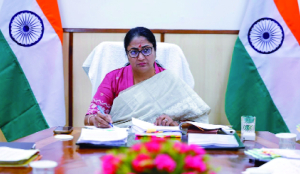
Delhi Health Minister Pankaj Kumar Singh said the initiative reflects the Government’s commitment to strengthening both healthcare services and medical education in government hospitals.
He said expanding specialised training programmes will help build a stronger healthcare workforce while ensuring that patients receive better treatment and specialised medical care in the capital. Under the proposal, a Gynecological Oncology Fellowship will be started at Guru Teg Bahadur Hospital with one seat.
The programme will be conducted under the aegis of the Association of Gynecologic Oncologists of India.
The fellowship will focus on developing specialised expertise in diagnosing and treating gynecological cancers, which include cancers of the uterus, ovaries, and cervix. Health officials said such specialised training has become increasingly important as tertiary care hospitals treat a growing number of complex cancer cases.
Doctors undergoing the fellowship will receive advanced training in surgical procedures, diagnosis, and treatment strategies related to gynecological oncology. Officials said this will help improve specialised cancer care services in government hospitals. In addition to the fellowship programme, the government is also planning to introduce a DNB Primary Course in Family Medicine at Sanjay Gandhi Memorial Hospital.
The programme will offer four post-MBBS seats and will be launched after obtaining accreditation from the National Board of Examinations. Officials said the family medicine programme is aimed at strengthening the availability of trained doctors in primary healthcare. Family medicine specialists play an important role in community healthcare systems because they provide comprehensive medical care for patients of all age groups.