Defeating Naxalism: How the red corridor was reclaimed
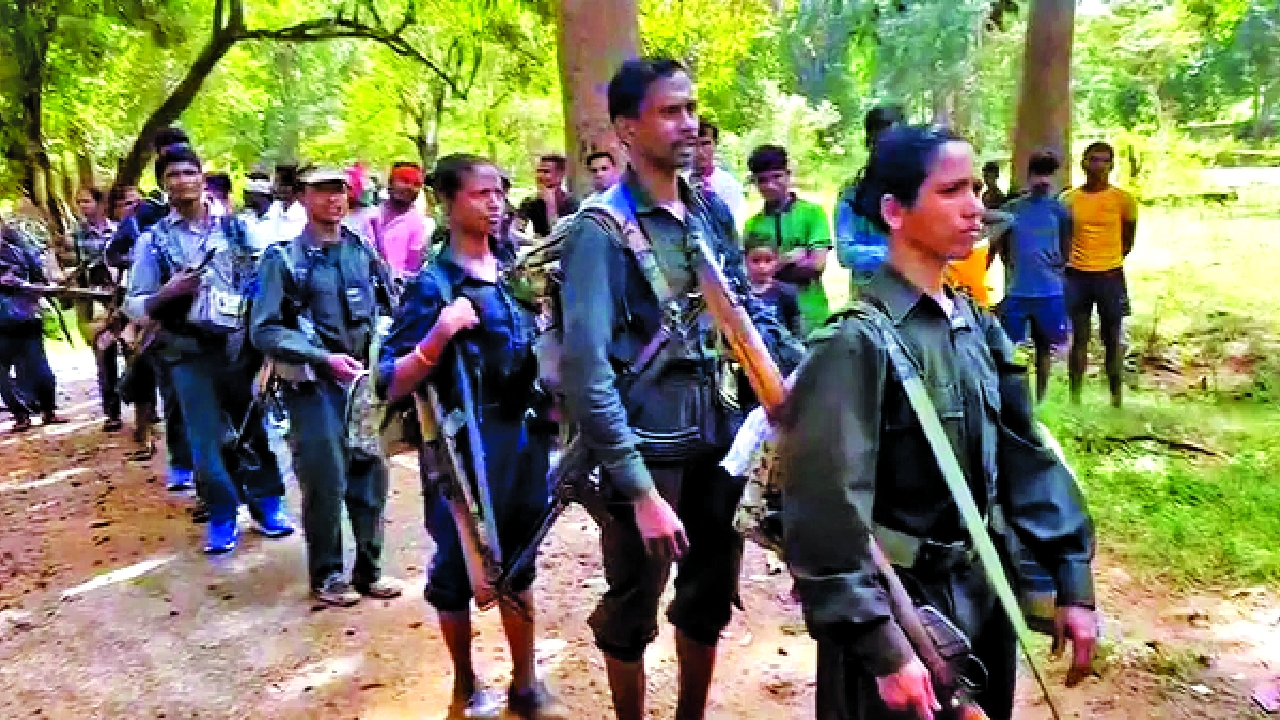
While the nation heaved a sigh of relief on March 30 when the Union Home Minister Amit Shah proclaimed in the Lok Sabha that "Naxalism has been more or less wiped out from Bastar" the security forces continued to scour the forests in Left Wing Extremism-affected States for the remaining Maoists who chose to cling to their path of violence. The following day, 35 Maoists surrendered in five districts of Chhattisgarh, prompting the Chief Minister Vishnu Deo Sahai to declare that the state was free of Naxalism. Nine others crossed over to Gadchiroli (Maharashtra) and surrendered before the police there. A significant achievement to gloat over.
The relentless pursuit of Maoists by the commandos of the elite Cobra Battalions, the Central Reserve Police Force (CRPF), Chhattisgarh police, the District Reserve Guards (DRG), Bastar Fighters of
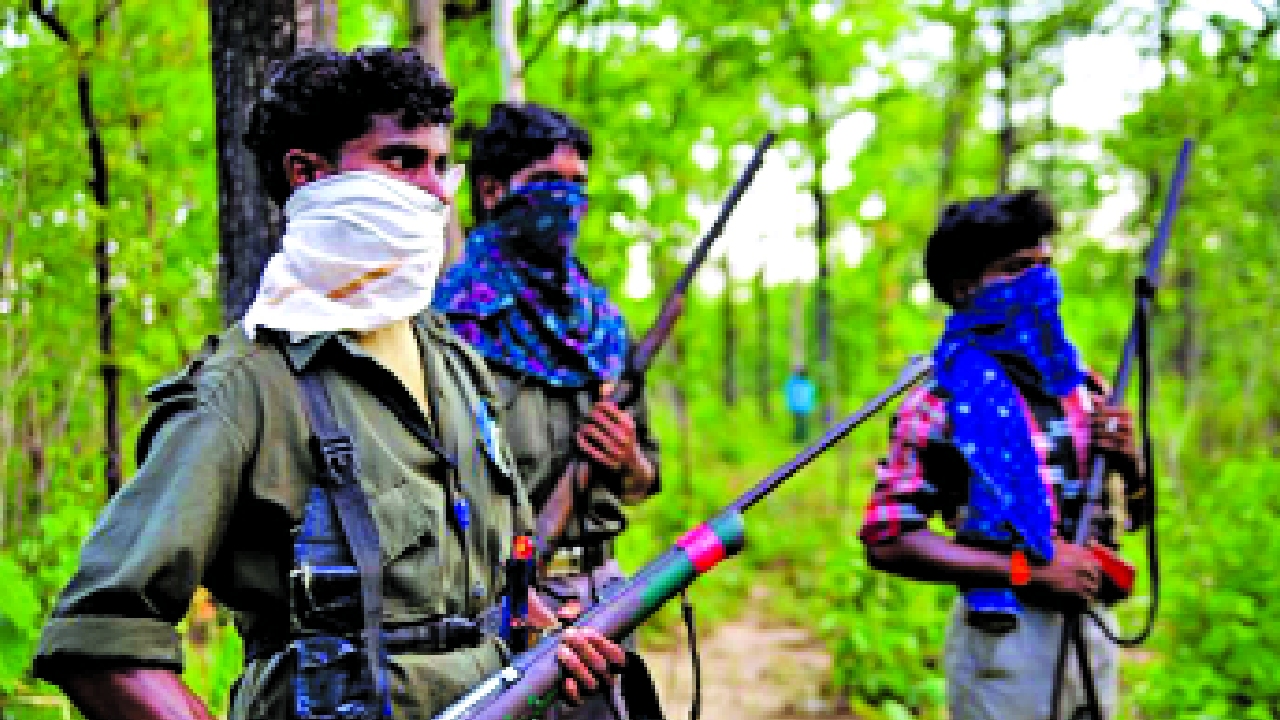
Chhattisgarh police and Battalions of the Central Armed Police Force (CAPF) viz, the Border Security Force, Indo Tibetan Border Police, Sashastra Seema Bal apart from the CRPF during the last few years displaced them from their hitherto safe sanctuaries in Abhujmad forests. Heavy casualties suffered by the Maoists in encounters, arrest of many and large scale surrenders drastically reduced their strength from over 4,000 armed cadres to just a handful of them. In the past three years, 706 Maoists were killed, 2,218 arrested and nearly 5000 surrendered.
CAPF Battalions had to pay a heavy price in the initial years of deployment due to lack of robust intelligence set up and lack of road connectivity in the interiors. Maoists would gather in hordes of hundreds to ambush and attack security personnel without their getting a whiff of it. Movement of vehicles on unmetalled roads proved disastrous as they were blown up by Improvised Explosive Devices (IED) resulting in heavy casualties.
Despite stiff resistance by Maoists who threatened contractors and the labourers, the construction of roads were taken up in the right earnest under the security cover of CRPF. Efforts made in 2017 to construct the roads resulted in the martyrdom of nearly 40 CRPF personnel who were securing the under-construction roads. The Maoists had the alacrity to bury IEDs deep in the soil before the roads were macadamised and trigger them at their will when vehicles pass over them to inflict heavy casualties on the security forces.
The construction of over 12,000 kilometres of roads facilitated the movement of vehicles in the interiors. As many as 406 CAPF camps were established in the Maoist bastion, forcing them out of their sanctuaries. The visibility of governance by the state infused confidence and fearlessness among the villagers dotting the mountainous forests. The Maoist intelligence network was dismantled and replaced by the state intelligence apparatus. Information regarding the Maoists began to flow. With the backup of hard intelligence, operations were launched, and their hideouts raided, resulting in heavy casualties to Maoists. It was the surprise element that caught them unawares. Though guarded by over 26 Maoists, Basvaraju, the general secretary, was killed along with all his guards by the DRG on May 21 last year in Narayanpur, which had an immense demoralising effect on the cadres.
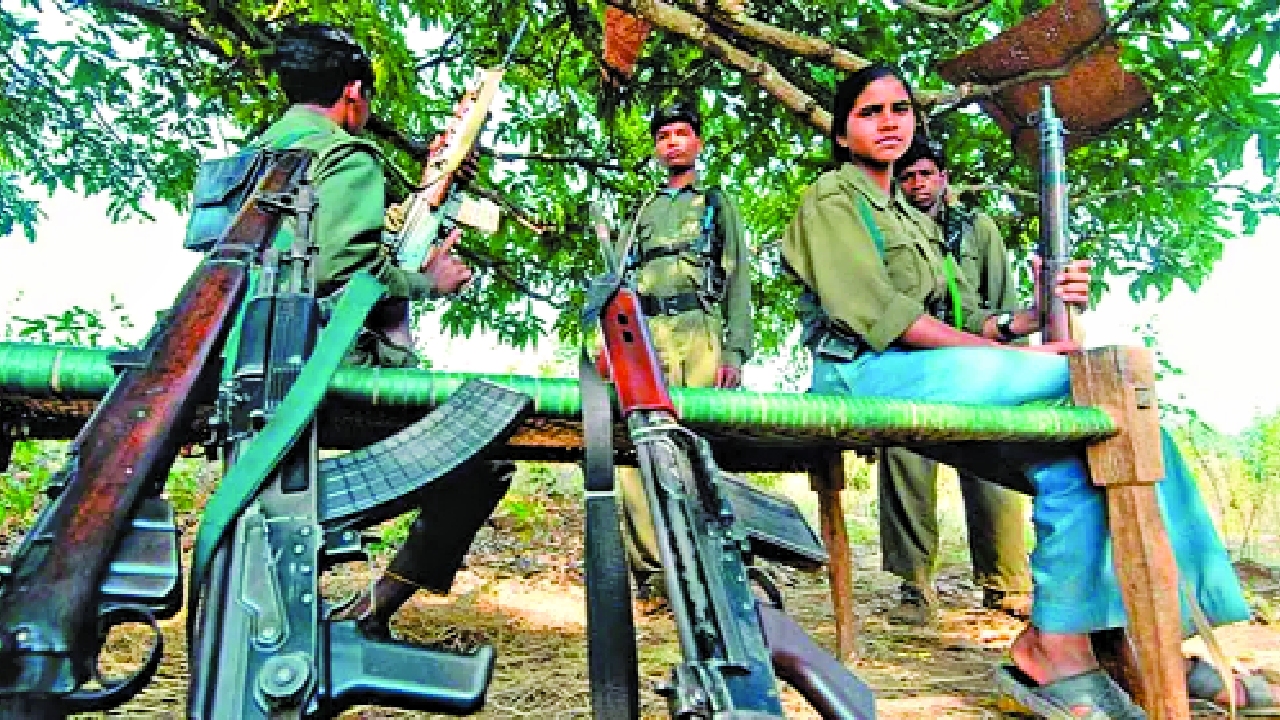
The raising of DRG by recruiting a good number of former Maoists was a step in the right direction. Not only were they familiar with the battle craft of Maoists, but they were also acquainted with the jungle tracks as the back of their hands, which proved to be an unassailable asset in operations. Along with the CRPF and Cobra battalions, the DRG has achieved commendable success in joint operations. zzzThe intense pressure built up by the security forces brought the Maoists to their knees last year, pleading for peace talks with the Government. Rightly did the Governments, both at the Centre and the States, decline to hold any talks till they surrendered with their weapons? After the 21-day-long incessant operations launched by the CRPF, Cobra and other forces in Karregutta hills, in which 31 Maoists were killed, some who managed to escape in small groups were in complete disarray and left without any directions or leaders. The surrender of Bhupati, a central committee member, along with 60 of his comrades, came as a huge setback to the movement.
The general secretary Thippiri Tirupathi alias Devuji branded him as a traitor and goaded other Maoists to continue with their struggle. Despite his call, the wave of surrenders continued in the affected states. The lure of a comfortable life promised to those who surrendered drew them in hordes.
His appeal notwithstanding and the strength of Maoists almost depleted, Devuji reconciled to the changed circumstances and surrendered to the Chief Minister of Telangana, A Revanth Reddy, on February 24, along with 21 others, marking the end of the Maoist movement in India.
While the states are verifying their antecedents and rehabilitating them, care needs to be taken to prevent the resurgence of the movement. With no leaders, weapons or finances, resurgence in near future is well-nigh impossible. The intelligence wings of the states will however have to maintain an eagle’s eye to ensure that any effort at resurgence is nipped in the bud.
Since IEDs have been planted in the jungles, the security forces cannot afford to be lax until all IEDs are removed. Last year, about 900 IEDs were detected and removed in Bastar and more are being removed with the help of the surrendered Maoists. The IEDs have proved to be obstacles in the operations launched in Serenda forests to apprehend Misir Besra, the last of the top leaders and his group in Jharkhand. The only other top leader Ganapathy is reported to be ailing and in touch with Telengana police to surrender after recovery. Though Maoists movement has ended, the continued deployment of security forces would be a deterrent for any kind of resurgence. The forces could be a bridge between the local population and the Government for the overall development of the regions that were deprived of welfare schemes launched by the states.
The author served as Commandant, commanding a CRPF battalion in Karimnagar, Ramagundam, Bellampally, Mancherial and Adilabad districts of Telangana from 1996 to 1998; views are personal