Commercial LPG shortages disrupt restaurant operations
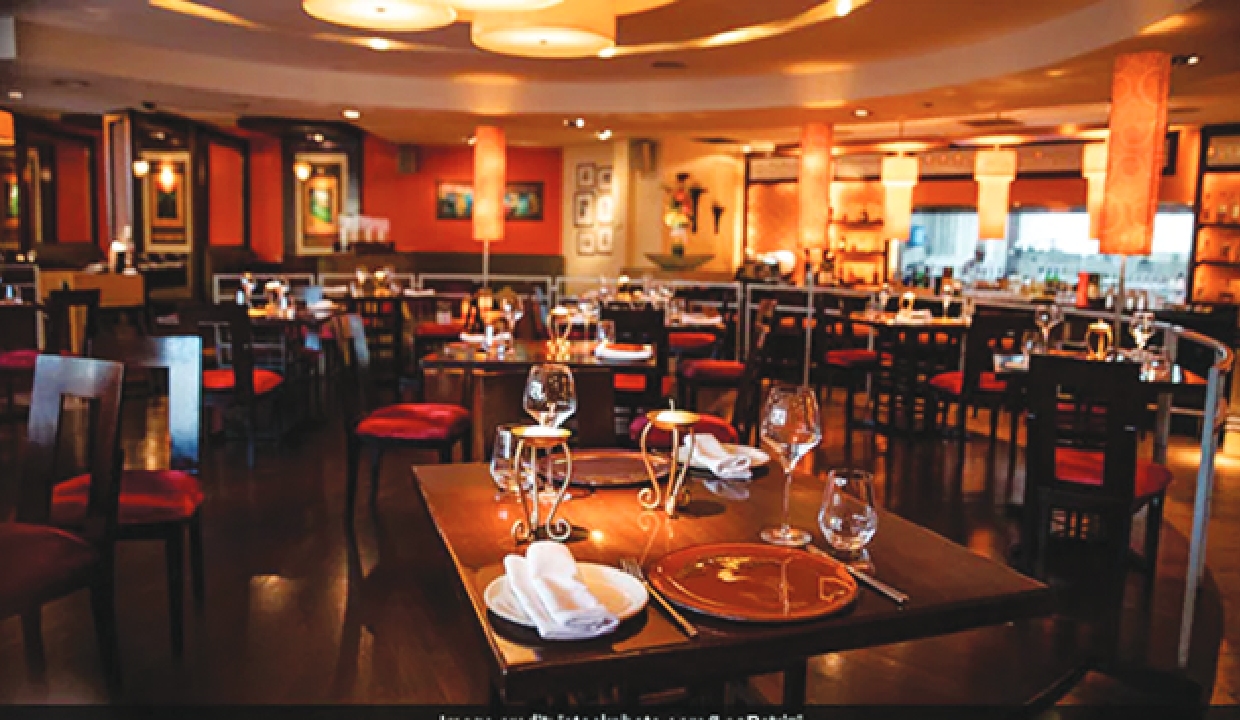
Restaurants in the national Capital are “grappling” with an “inadequate supply of commercial LPG cylinders”, with many operators claiming that receiving one or two cylinders a day is insufficient to meet their requirements despite the Government increasing allocations.
The alleged shortage has disrupted the day-to-day functioning of eateries, with operators saying that inconsistent supply and inadequate allocation are affecting business viability.
A representative of the Greater Kailash-based Tadka Rani restaurant, which also has chains, claimed that the situation has worsened over the past few days, with supply falling far short of demand.
“In the past 10 days, we have received just one cylinder, whereas we require around 13 cylinders per day across our three branches. We have been in touch with Indraprastha Gas Limited (IGL). Initially, they said domestic consumers were their priority, but now they are at least engaging with us,” the representative said.
He added that the “shortage” has led to operational losses and forced businesses to make adjustments to survive.
“We are facing significant losses. We have modified recipes and reduced our menu to manage operations. Many restaurants have already shut down. We are still in survival mode and hoping for some relief in April,” he said.
Mohit, a staff member at My Yellow Cafe in Shaikh Sarai, said the outlet has not received any LPG cylinders despite placing a request two weeks ago.
“We are currently relying on electric appliances, as we have not received any cylinders yet. We are serving items that require minimal cooking. This has affected our services, and some regular customers, mostly students from nearby colleges, have stopped coming due to limited menu options,” he said. Amit Gupta, general secretary of the New Delhi Traders’ Association, Connaught Place, claimed that restaurants are receiving only a fraction of their requirement.
“Restaurants that require around 10 cylinders are getting just one, that too at a higher cost. Many are operating on electric appliances, which is not sustainable in the long run,” he said.
Similarly, a staff member at QBA in Connaught Place, Ravindra, said, “We are receiving LPG cylinders, but the supply remains inconsistent and far below our daily requirement. As a result, we are managing operations partly on gas and partly using electric cooking appliances. This has somehow affected the service.”
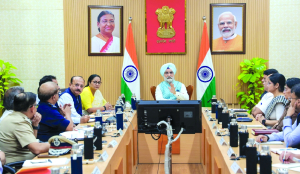
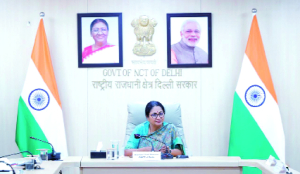
On the other hand, the Delhi Government, following the central government’s directive, has issued a modified allocation order, raising commercial LPG supply by an additional 20 per cent over the existing 50 per cent, restoring availability to 70 per cent of previous levels (6,300 cylinders of 19 kg daily from the normal consumption of 9,000), Food and Supplies Minister Manjinder Singh Sirsa said on Friday.
He said after securing major allocations for hotels, restaurants, dhabas, food processing, dairies, 5 kg cylinders for migrant workers and students, supply to labour-intensive industries, including steel, automobile, textile (with dry cleaning), chemicals, plastics, sports facilities, glasso, and pharma units, has been massively enhanced to 28.5 per cent (1,800 cylinders), especially where specialised heating cannot be substituted by PNG. Earlier conditions on OMC registration and PNG applications remain applicable, except for these irreplaceable industrial uses.
The revised allocation order, building on Thursday’s 50 per cent update, strategically weights sectors: hospitality, restaurants, dhabas, food processing, and dairies secure (3,375 cylinders); industries (1,800); essential services like education, health, railways, airports, and buses (225); caterers/banquets (225); government institutions, trusts/PSUs/industrial canteens/subsidised community kitchen (225); sports facilities/stadiums(270); and migrant workers via 5kg refills (180), Sirsa said.
“Delhi’s industries and eateries can now operate without disruption, this 70 per cent allocation is a direct result of coordinated efforts at the Centre and state level,” he stated.