CM Rekha earmarks Rs 3,954 crore outlay for new EV policy
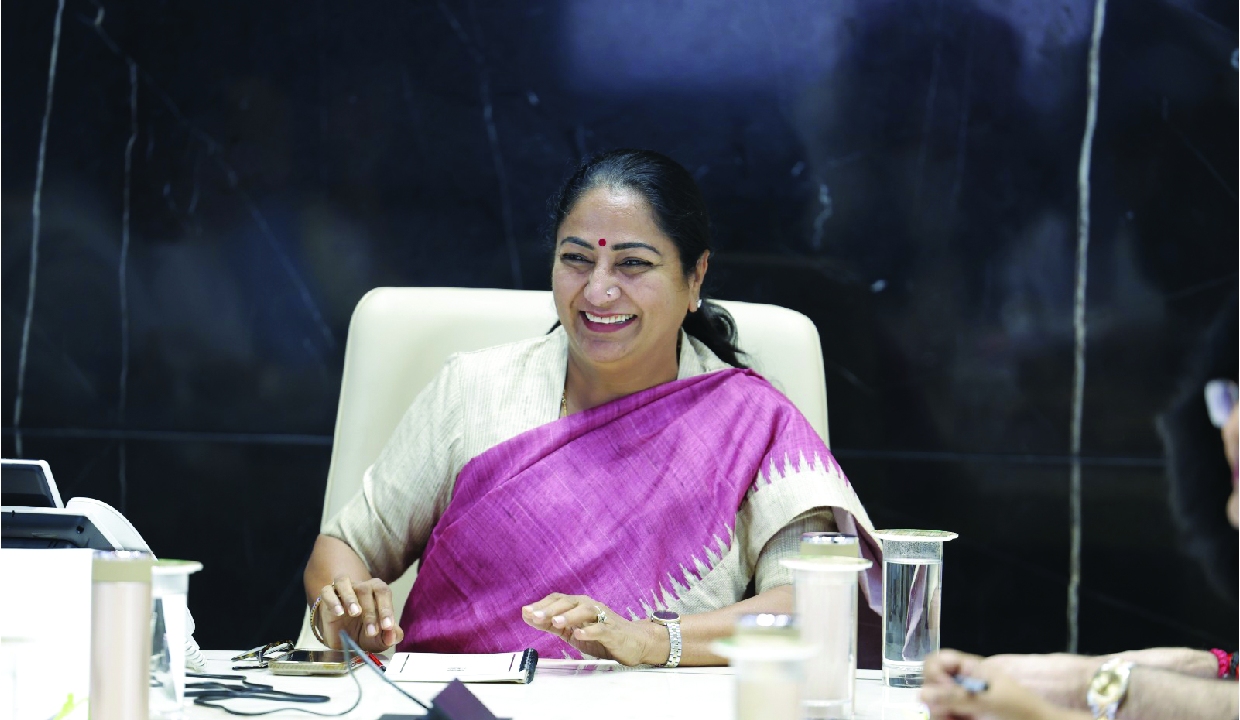
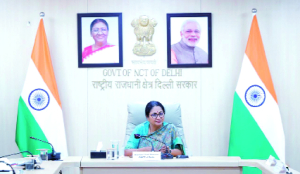
Chief Minister Rekha Gupta on Saturday earmarked a total outlay of Rs 3,954.25 crore for the implementation of the new Electric Vehicle policy 2026. This comes after the unveiling of the draft Electric Vehicle (EV) Policy 2026 in the public domain, inviting suggestions and feedback from stakeholders and citizens within 30 days.
According to Rekha Gupta, this includes Rs 1,236.25 crore for purchase incentives, Rs 1,718 crore for scrapping incentives and Rs 1,000 crore for charging infrastructure development.
Year-wise expenditure has also been outlined, with Rs 965.5 crore planned for the first year, Rs 1,012.75 crore for the second, Rs 1,231.5 crore for the third and Rs 744.5 crore for the fourth year.
The Chief Minister said an EV fund will be created to finance the policy, drawing from budgetary allocations, central and state schemes, environmental funds and other sources. An apex committee chaired by the transport minister will oversee implementation and fund management, while a high-level committee headed by the chief secretary will coordinate among departments.
The draft policy, proposed to be in force until March 31, 2030, outlines a comprehensive framework to promote clean and sustainable transport in the city. She said the policy combines fiscal support, tax exemptions, infrastructure development and regulatory measures to drive adoption.
“The proposed Delhi EV Draft Policy 2026 is a significant step towards establishing a clean, accessible and sustainable transport system in the capital. Extensive financial incentives, tax exemptions, mandatory provisions and infrastructure development have been emphasised to promote electric vehicles in Delhi,” the Chief Minister said.
She said that priority will also be given to electric vehicles in the government fleet. After the policy notification, all vehicles hired or leased under GNCTD will be electric only, except for emergency or specially exempted vehicles.
Furthermore, all new inter-state buses to be inducted by the Delhi Transport Corporation and the Transport Department will be electric.
A key feature of the draft is the phased introduction of mandatory electrification. From January 1, 2027, only electric three-wheelers will be permitted for new registrations, and from April 1, 2028, only electric two-wheelers will be registered in Delhi. The policy also mandates gradual electrification of school buses, targeting 10 per cent conversion by the end of the second year, 20 per cent by the third year and 30 per cent by March 2030.
For fleet aggregators, the policy mandates that no conventional ICE vehicles running purely on diesel or petrol will be inducted in the existing fleet from January 2026, while other provisions of the Delhi Motor Vehicle Aggregator and Delivery Service Provider Scheme 2023 will be followed.
The government has also proposed prioritising electric vehicles in its own fleet. All vehicles hired or leased by departments under the Government of NCT of Delhi will be electric, except those granted specific exemptions. Additionally, all new inter-state buses inducted by the Delhi Transport Corporation and the transport department will be electric.
The proposed Delhi EV Draft Policy 2026 is a significant step towards establishing a clean, accessible and sustainable transport system in the Capital
— Rekha Gupta, Chief Minister