Can a pause on usernames stop online fraud?
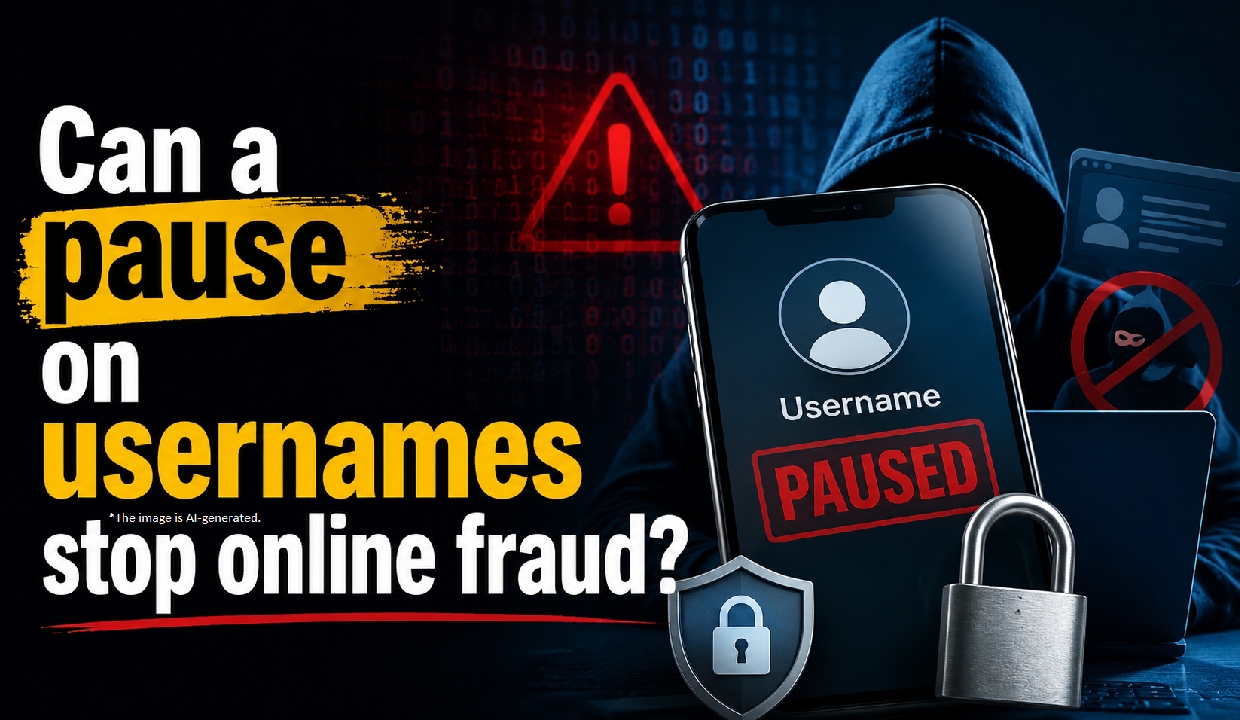
The IT Ministry has ordered Meta to halt the rollout of WhatsApp’s new usernames feature. But can it be a panacea for rising cyber fraud?
The sequence of events was swift. Meta announced on June 29 that WhatsApp users worldwide, including in India, could start reserving a username, a handle that lets people message without exchanging phone numbers. Within forty-eight hours, India’s Ministry of Electronics and Information Technology had sent a notice to Meta’s compliance office, ordering the company to halt the rollout, explain itself within three days, and justify why regulatory action should not follow under the IT Act and the 2021 intermediary rules. WhatsApp’s response was almost timid: only the reservation option is live; the ability to use a username instead of a number will not arrive until later this year.
The government’s anxiety is not ill-placed. India has become a global hotspot for “digital arrest” scams, in which fraudsters impersonate police officers, tax officials or narcotics agents and browbeat victims into transferring their savings over video calls. A username system, unless tightly policed, hands such scammers a new prop: a handle styled to resemble a police officer or a tax official. Meta says it has reserved high-profile names for their legitimate owners and blocked obvious lookalikes, but automated filters have a well-documented habit of missing the clever fake while catching the innocent.
Yet the pause carries an irony the government’s notice does not reckon with. Usernames were pitched, correctly, as a privacy feature: a way to talk to strangers on marketplaces or elsewhere without handing over a phone number that can be mined, sold or SIM-swapped. Signal has offered exactly this in India since 2024, and Telegram had it years earlier still, despite itself being banned here for a week. If the format were inherently dangerous, both apps would already have drawn the same scrutiny. What has changed is scale: WhatsApp counts more than 500 million Indian users, so any flaw in its architecture can have far-reaching consequences.
However, scammers do not need usernames to run a digital-arrest racket; they already manage with spoofed caller IDs, cloned government letterheads and rented SIM cards. Stopping one product from launching buys time, not safety. What India actually lacks is the infrastructure that would make any messaging feature harder to weaponise: a verified-caller framework spanning telecom and app platforms, a fraud-reporting system fast enough to freeze stolen money before it clears through mule accounts, and public awareness that outlives one week’s news cycle. Three days is not much time for Meta to produce a considered answer, and it is even less time for the ministry to design durable policy. The real test of this episode is not whether WhatsApp’s usernames eventually launch; they almost certainly will, in India as everywhere else.
It is whether the government uses this pause to build defences that outlast any single product decision, or simply files the notice away once Meta tweaks its onboarding screen. A username can be paused. The fraudster will not wait for the government decision. He will have his way, as he knows he is behind a smoke screen no one can penetrate.