Biogas: India’s energy security and green transition advantage
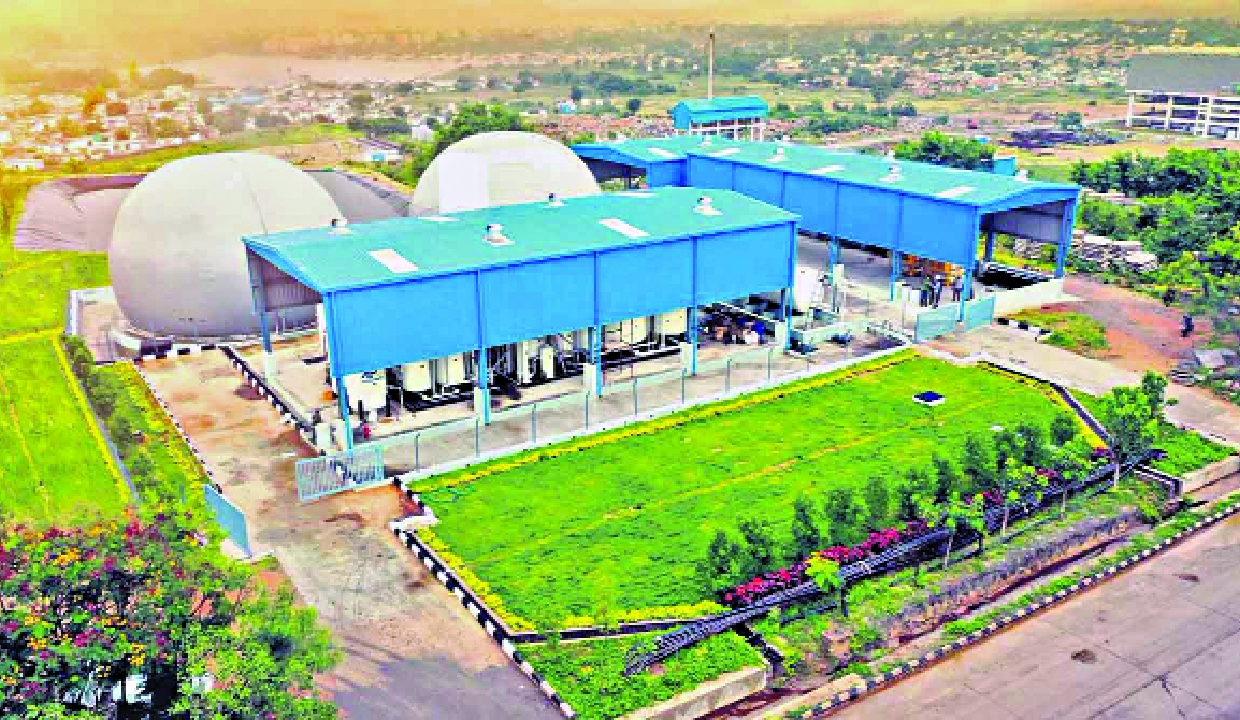
India must therefore move from a plant-by-plant approach towards an integrated biomethane ecosystem. Farmers, cooperatives, municipalities, waste-management companies, entrepreneurs and industrial consumers need to be connected through commercially viable supply chains
India’s energy debate has rightly focused on expanding renewable electricity, diversifying energy sources and reducing dependence on imported fossil fuels. Yet one of our most promising domestic energy resources remains underappreciated: biogas. The opportunity lies in converting agricultural residues, animal dung, food waste and other organic material into usable energy, while recovering valuable nutrients and reducing the environmental costs of waste. As the World Biogas Association’s India Congress convenes policymakers, investors and industry leaders in New Delhi on 8-9 October, it is an opportune moment to look beyond individual projects and recognise biogas for what it can become: an important instrument of India’s national energy strategy. The question is no longer whether biogas has a role in India’s future. It is whether we can build the markets, infrastructure and institutional arrangements necessary to realise its full potential. Five strategic considerations make the case compelling.
When we speak of India’s energy security, our attention naturally turns to imported crude oil, natural gas and the geopolitical uncertainties surrounding international energy markets. But we should also look at the resources generated within our own borders every day. India’s farms, livestock, food-processing industries and cities produce substantial quantities of organic material that can serve as feedstock for biogas production. After appropriate purification, biogas can be converted into biomethane, including compressed biogas (CBG), which can substitute for fossil natural gas in suitable applications.
Every unit of imported gas that can sustainably be replaced by domestically produced biomethane strengthens India’s energy security, reduces exposure to international price volatility and improves resilience to supply disruptions. Biogas cannot eliminate our dependence on imported energy, nor should its potential be exaggerated. But it can contribute to a more diversified and resilient energy mix. We should begin thinking of biogas as a distributed domestic gas resource, one that can be developed across agricultural regions, industrial clusters and urban centres rather than concentrated in a handful of conventional producing areas. The strategic imperative is to assess how much of this resource can be mobilised economically and sustainably and then integrate it into national and state-level energy planning. Energy security is not simply about finding new sources of supply; it is also about making intelligent use of resources we already possess.
India’s clean-energy transition is often discussed primarily in terms of electricity. Solar and wind power are transforming the generation landscape, and electrification will remain central to decarbonising transport, buildings and industry. But not every energy requirement can be met easily or economically through electricity alone. Some industrial processes require gaseous fuels or high-temperature heat, while other applications may benefit from renewable alternatives to conventional natural gas.
This is where biomethane can make a distinctive contribution. It can provide a renewable gaseous fuel for suitable industrial and commercial uses and, where technical standards and infrastructure permit, can make use of existing gas networks. It is also storable and can be supplied when needed, although production depends on feedstock availability and the reliable operation of individual plants. The point is not to pit biogas against solar, wind or other clean-energy technologies. It is to recognise that a successful transition requires a diverse portfolio of solutions. Renewable electricity and renewable gases can serve complementary roles in a decarbonising economy.
If the first phase of the transition has been about expanding clean electricity, the next must also address the fuels and industrial processes that electricity alone may not readily replace. Biogas deserves a place in that wider conversation. It can help connect renewable energy, agriculture and waste management in a way that few other technologies can.
Perhaps the most striking feature of biogas is that its raw material is already all around us, yet much of it remains underutilised. Agricultural residues, cattle dung, food-processing waste and segregated organic municipal waste can all contribute to biogas production, depending on their suitability, availability and the economics of collection. We have traditionally thought of energy resources as something extracted from beneath the earth or harnessed from the sun and wind. Biogas invites us to think differently: energy can also be produced by organising the materials that flow through our everyday economic life.
But this opportunity will not be realised simply by announcing targets or constructing isolated plants. Organic waste is dispersed, seasonal and often expensive to collect and transport. Different feedstocks require different technologies, while plants need dependable supplies of raw material and reliable buyers for their output.
India must therefore move from a plant-by-plant approach towards an integrated biomethane ecosystem. Farmers, cooperatives, municipalities, waste-management companies, entrepreneurs and industrial consumers need to be connected through commercially viable supply chains. The objective should be to aggregate resources efficiently, reduce avoidable costs and ensure that plants operate consistently. The energy revolution waiting to be discovered is not simply in the waste itself. It lies in our ability to organise that waste into a reliable economic resource. India’s challenge is to turn dispersed potential into dependable production.
The case for biogas extends beyond energy security and emissions reduction. It offers an opportunity to create a new economic relationship between agriculture and industry, in which farmers become participants in the renewable-energy economy.
Agricultural residues and animal waste can, under appropriate conditions, generate additional income. Biogas projects can create local employment and new business opportunities in feedstock aggregation, transportation, plant operations and equipment servicing. The digestate left after anaerobic digestion can also be processed into useful fertiliser products, allowing nutrients to return to agriculture when quality and safety requirements are met.
This creates the basis of a circular economy: materials that might otherwise be discarded become inputs for energy production, while nutrients can be recovered and returned to the soil. It can also help address some local waste-management challenges and reduce the open burning of agricultural residues where suitable collection and conversion systems are available.
However, these benefits will not flow automatically to rural communities. Farmers must receive fair prices for their feedstock, collection arrangements must be dependable, and the economics of projects must make sense for all participants. We must also ensure that the removal of agricultural residues does not compromise soil health or compete unnecessarily with other productive uses. If designed well, biogas can help diversify rural incomes while connecting agriculture more closely with India’s energy and industrial ambitions. The farmer should not remain at the margins of the energy transition. The farmer should become one of its principal stakeholders.
The ultimate challenge is one of scale. India does not merely need more biogas plants; it needs a commercially viable biomethane industry capable of delivering reliable output over time.
That requires coordinated action across the entire value chain. Investors need predictable policies, credible assessments of feedstock availability, access to finance and confidence that the gas produced will find a market. Developers need long-term supply arrangements and dependable offtake agreements. Gas buyers need consistent quality and reliable delivery. Farmers and municipalities need efficient systems for collecting and supplying organic material. Without these connections, even technically sound projects can struggle commercially.
Policy must therefore move beyond capacity announcements towards actual performance. Support should encourage reliable production, efficient operations and demonstrable environmental benefits. Long-term purchasing arrangements, appropriate gas infrastructure, quality standards and innovative financing can help reduce risks and attract private investment. Public-private partnerships will be essential, but so will state-level strategies that reflect the distinct feedstock and market conditions of different regions.
The World Biogas Association’s India Congress provides a valuable platform for bringing these stakeholders together and learning from international experience. The next step is to translate discussion into implementation: a clearer investment pipeline, stronger supply chains, bankable projects and measurable outcomes.
India should consider a coordinated national biomethane strategy that brings together energy security, waste management, agricultural development and climate objectives. The measure of success will not be how many plants are announced, but how much reliable, affordable and genuinely sustainable energy they deliver. India’s energy future will not be built around a single technology. It will require a combination of conventional and renewable sources, greater efficiency, stronger domestic capabilities and a more resilient system for meeting the needs of a growing economy.
Biogas can contribute to that future in a distinctive way. It can turn organic waste into energy, help substitute for imported natural gas, create economic opportunities in rural areas and support a more circular approach to resource use. Its contribution will depend on realistic assessments of potential, sound project economics and consistent execution. It is not a substitute for every other energy source but it is a resource we should no longer treat as peripheral.
The discussions taking place in New Delhi offer an opportunity to move the debate beyond the promise of biogas towards the practical task of building an industry. India has the raw materials, entrepreneurial capacity and growing demand to develop this sector, provided policy ambition is matched by commercial discipline and institutional coordination.
The writer is the President of the Chintan Research Foundation; Views presented are personal.