Beyond policy: Putting mothers at the heart of child care
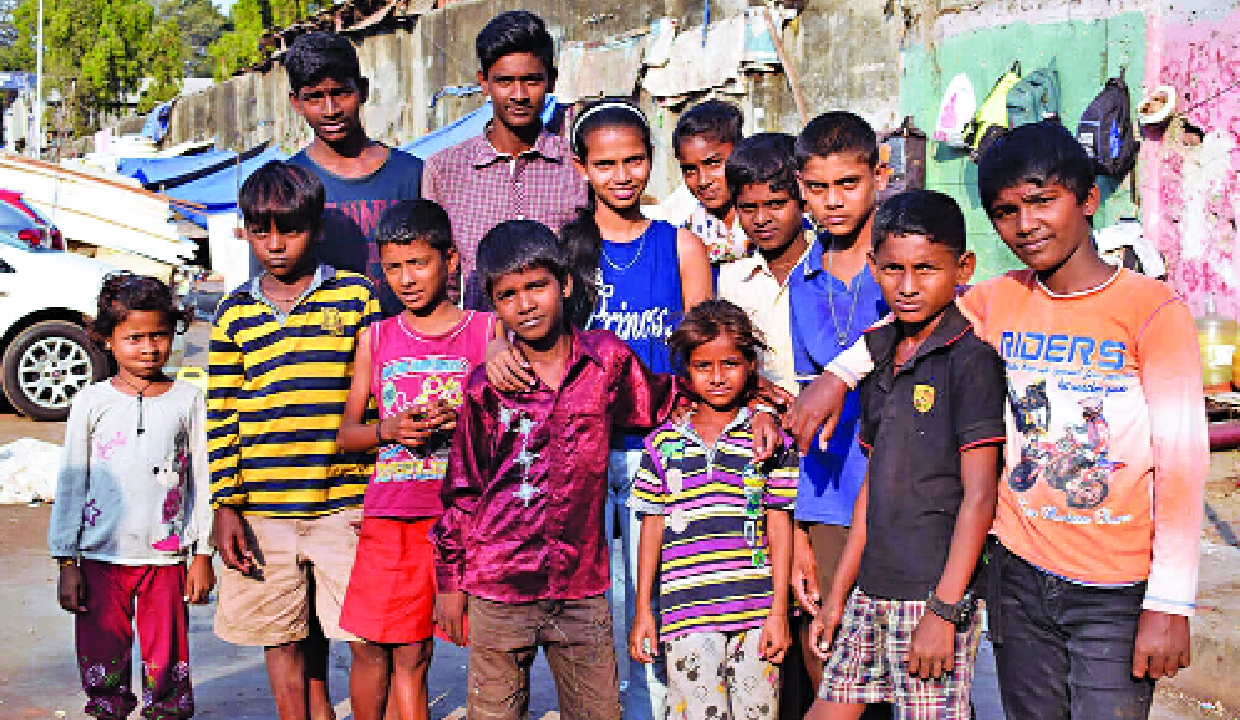
When we discuss how we can better support vulnerable children, the conversation often centres on policy and infrastructure. While those are necessary, they are only the skeleton of a solution. The heart of any child care system, the part that actually brings it to life, is the mother. In our country, we have a long and beautiful tradition where the family is the foundation of everything.
For a child who has lost that foundation, the world becomes a loud and terrifying place. You cannot fix that with a dormitory or a rotating shift of staff. You fix it with a person who stays. In these cases, a foster mother who provides a strong and caring presence is the only thing that can truly make a difference in their lives.
A mother is a representative of stable relationships. She provides a protective setting where a child does not just exist but has a real opportunity for holistic development. It is through her that a child learns to trust again. This is not just about basic caregiving. It is about the security, love, and stability that every human being needs to survive. One of the most incredible things to witness is how a mother builds resilience in her children through her own inner power. She does not just shield them from the world. She prepares them for it. She plays the role of a teacher, a friend, and a mentor all at once. By building a close and individual relationship with each of her children, she creates a caring family environment where they feel safe enough to take risks.
She is the one who encourages participation and confidence, helping a child find their own voice. She acts as a guide to ensure they have every opportunity to thrive rather than just get by. She is always ready to go the extra mile, often sacrificing her own comfort for the well-being of her children. There is simply no substitute for a mother. For children who have faced the hardship of being alone, the role of motherhood becomes even more crucial. They do not just need a roof. They need a parent who is ready to sit by the bed at three in the morning or celebrate a small victory at school.
What makes this bond so powerful is that she is not just fulfilling a duty. She is enjoying the journey of motherhood herself. This mutual joy is what transforms a house into a home. It is in the quiet moments like shared meals, evening talks, bedtime stories and a steady presence that a child’s trauma begins to soften and their potential begins to bloom. Let us recognise that for a vulnerable child, a mother is not just a part of their life.
A mother can transform a childhood memory into a happy memory, transforming children into self-reliant individuals and ensuring they grow up with the strong bonds to become their strongest selves. If we want to raise a generation of healthy and confident citizens, we must ensure that the mother remains the heartbeat of our care systems.
If we cannot provide a child with a hand to hold and a heart to lean on, are we really giving them a future or are we just providing a place to stay?
If we really want to honour mothers and give her the rightful place, we should remember that the greatest gift society can offer a vulnerable child is not merely protection but belonging. Policies, funding and institutions are indispensable, yet they achieve their true purpose only when they create space for loving human relationships. A child who has experienced loss does not simply need food, education and healthcare. They need someone who knows their fears, celebrates their milestones, comforts them after failure and believes in their potential even when they cannot believe in themselves.
That unwavering presence is what a mother, whether biological, adoptive or foster, uniquely provides. The strength of a nation is ultimately measured not by the size of its institutions but by the quality of care it extends to its most vulnerable citizens. By nurturing children with love, stability and emotional security, mothers help shape resilient, compassionate and self-reliant individuals who go on to strengthen society in return.
Investing in motherhood within child care is therefore not an act of charity; it is an investment in the country’s future. If we aspire to build a compassionate and confident India, we must place mothers at the centre of every child welfare system, ensuring that every child grows up not merely with a roof overhead, but with a hand to hold, a heart to trust and a family to call their own.
The writer is the Chief Executive Officer of SOS Children’s Villages India; Views presented are personal.