A journey across oceans and identity
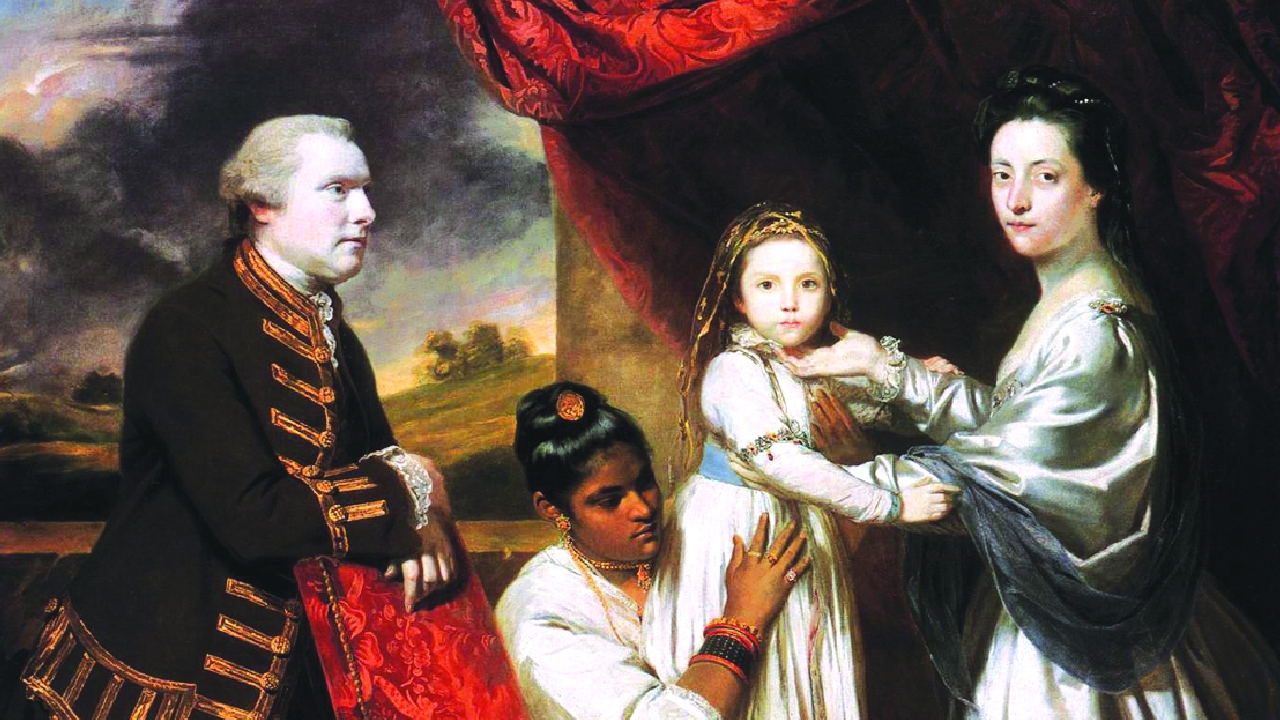
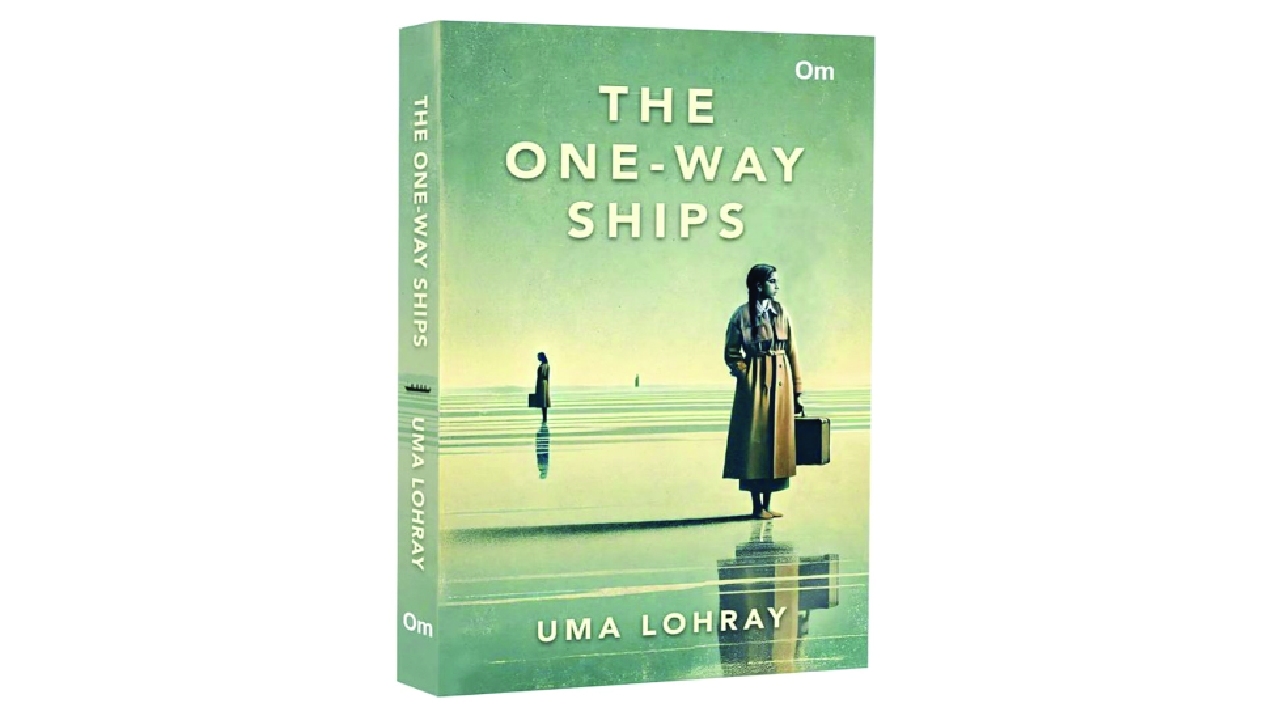
The One-Way Ships is a work of historical fiction that brings to light a largely forgotten chapter of colonial history - the lives of South Asian ayahs who travelled with British families to England, only to find themselves abandoned in an unfamiliar land. Combining meticulous research with a deeply personal narrative, the novel traces the journey of Asha, a fourteen-year-old girl from Shimla, whose life is transformed by loss, displacement and eventual self-discovery.
At its core, the novel is both a coming-of-age story and a meditation on migration, dignity and belonging. Asha’s journey begins in the quiet familiarity of her hill-town life, but the death of her father forces her into a world of uncertainty. Choosing to work as an ayah, she steps into colonial hierarchies that are at once enabling and deeply exploitative. Her voyage to England - full of anticipation and unease - soon gives way to abandonment, a fate that was all too common for women like her.
What follows is not merely a story of survival, but one of transformation. Through her time at the Ayah Home and later at the Bradbourne Estate, Asha evolves from a sheltered adolescent into a woman of resilience and moral clarity. The narrative carefully charts her emotional growth, shaped by friendships, betrayals and moments of quiet courage. In doing so, the novel captures the inner lives of women who existed on the margins of empire yet demonstrated remarkable strength.
The historical detailing is one of the book’s notable strengths. From the colonial world of Shimla to the sea voyage aboard ships like the SS Ranchi, and finally to the institutional spaces of Ayah Homes in England, the narrative is grounded in archival realities and lived histories. These settings are not merely backdrops but active forces shaping the characters’ lives, reflecting the structures of power, race and gender that defined the period.
At the same time, the novel maintains an intimate human focus. Asha’s relationships - with her childhood companion Jitu, fellow ayahs, and figures such as Mrs Stanley - add emotional depth and complexity. Particularly striking is the parallel drawn between Asha and Mrs Stanley, two women from vastly different worlds yet bound by their own forms of confinement. Their relationship becomes a powerful commentary on agency, solidarity and the shared vulnerabilities of women across social divides.
The framing device of a contemporary journalist uncovering Asha’s story adds another dimension to the narrative. It bridges past and present, underscoring how histories of migration and displacement continue to resonate. The journalist’s own journey — from ambition to understanding — mirrors the reader’s gradual immersion into Asha’s world.
What elevates The One-Way Ships is its refusal to succumb to easy sentimentality. While the narrative is deeply empathetic, it remains anchored in realism. Loss is not undone, and belonging is not neatly resolved. Instead, the novel presents identity as something continually negotiated — a balance between memory and reinvention. Honoured with the Kala Ratna at the Kala Literature Awards 2026 in the Fiction (English) category, the book stands out for its ability to recover overlooked histories while crafting a compelling and emotionally resonant narrative. It is a reminder that literature can illuminate not only the grand narratives of history, but also the quiet, often invisible lives that exist within them.