...the Civil reforms for Indian Public Services
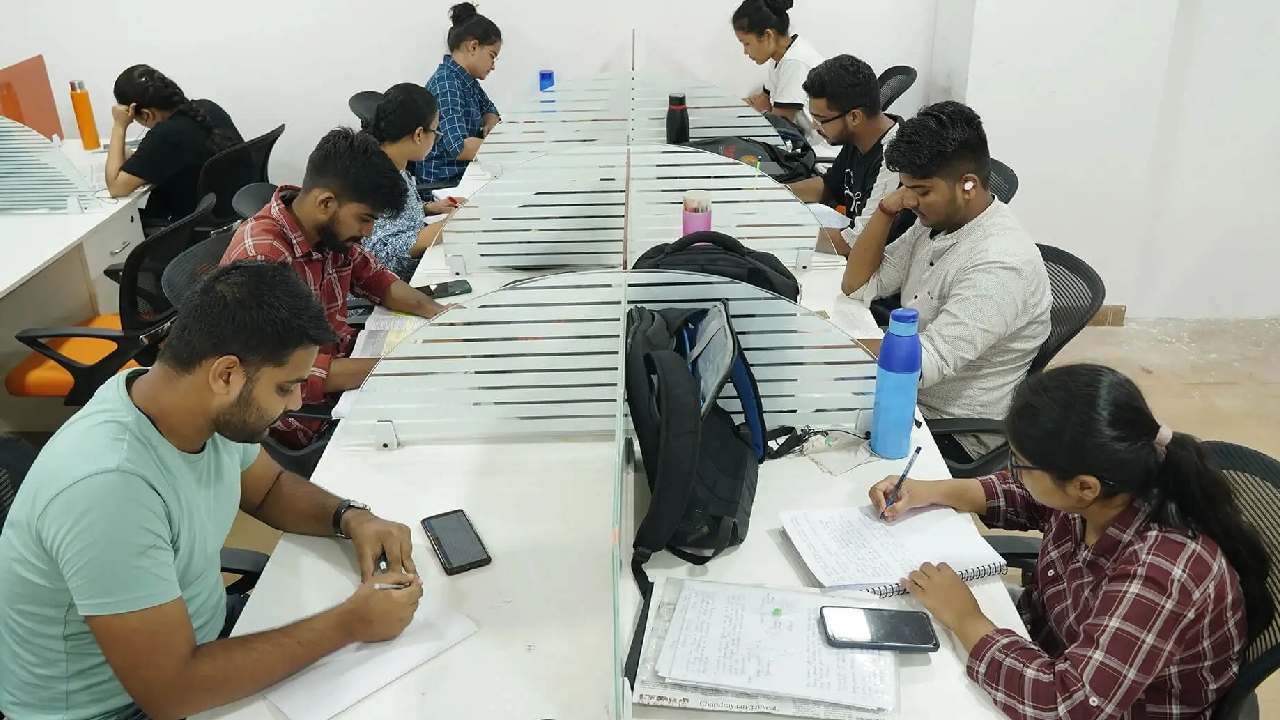
India’s civil services system, once celebrated for its meritocratic rigour and administrative depth, is now confronting structural and functional challenges. From an examination process that rewards rote learning to a career progression system that often fails to align talent with roles, the cracks are increasingly visible. The experience of aspirants, the preparedness of officers, and the efficiency of governance outcomes all point to the need for a holistic overhaul.
Reform the selection process
At the heart of the issue lies the current recruitment mechanism. The civil services examination, conducted by the Union Public Service Commission (UPSC), has long been criticised for its overemphasis on theoretical knowledge and memorisation. While academic rigour is essential, governance in the real world demands a wider array of competencies — practical decision-making, ethical reasoning, leadership, and emotional intelligence. Aspirants often spend four to six years preparing for the examination, with the average age of entry steadily rising above 28. This prolonged preparation cycle not only delays entry into public service but also diverts youthful energy into a narrow examination-focused pursuit. Moreover, the recruitment process itself can stretch up to 18 months, further delaying the induction of fresh talent.
Experts suggest a shift towards a multi-dimensional evaluation system. Incorporating situational judgment tests, role-playing exercises, and psychometric assessments could help gauge a candidate’s aptitude for real-world administrative challenges. Simulated assessment centres replicating governance dilemmas may provide deeper insights into decision-making abilities. Additionally, reforms such as a unified candidate management system - integrating various stages from application to appointment — and the use of emerging technologies like blockchain for document verification could significantly streamline the recruitment cycle, reducing delays and uncertainty.
Aspirant experience
Another pressing concern is the mismatch between candidate preferences and service allocation. Only a small percentage of candidates secure their desired services, leading to dissatisfaction and, in some cases, repeated attempts even after selection. This not only burdens the system but also results in inefficient utilisation of human resources.
The psychological toll on aspirants is equally significant. Years of preparation, coupled with uncertain outcomes, often lead to stress, disillusionment, and a sense of failure. The “all-or-nothing” mindset - where elite services such as the IAS, IPS, and IFS are seen as the only worthwhile goals — further narrows career aspirations. To address these issues, policymakers are advocating a more flexible and aspirant-friendly approach. A two-tier examination system with service-specific components could better align candidate interests with job roles. Introducing lateral movement within services after a few years of experience would also allow officers to recalibrate their career paths. Equally important is the need to recognise UPSC preparation as a valuable learning experience. Certification mechanisms and structured career counselling could open alternative pathways for aspirants, ensuring that their efforts are not rendered futile. Psychological support systems and public awareness campaigns highlighting the importance of all public services can help reshape perceptions and reduce undue pressure.
Change the nomenclature
There is a need to dismantle and discard the nomenclature inherited from colonial rule. The Government of India has already taken steps in this direction by renaming the PMO as Sewa Teerath, the Prime Minister’s residence address as Lok Kalyan Marg, Rajpath as Kartavya Path, the Central Secretariat as Kartavya Bhawan, and Raj Bhawan as Lok Bhawan.
Under the Constitution of India, there are three categories of services:
A. All India Services
B. Central Civil Services
C. Military Services
The most important examination conducted by the Union Public Service Commission is the Civil Services Examination, which traces its origins to the Imperial Civil Service. Through this examination, officers are selected for around 23 services. The Commission also conducts separate pan-India examinations to recruit engineers, economists, and statisticians; intriguingly, these roles are not formally classified as part of the civil services. Under the Indian Penal Code, immunity is granted to public servants for acts performed in good faith, while no such explicit immunity is extended to civil servants as a distinct category. This raises an important question: is it time to revisit and rename these services to reflect contemporary accountability structures? One possible approach could be to replace the traditional nomenclature with “Indian Public Service,” followed by the relevant field or area of expertise, and to redefine officers as sewaks, emphasizing service over authority.
Strengthening training
The transition from selection to service is another area ripe for reform. Current training modules are often criticised for being overly theoretical, with limited exposure to real-world challenges. This gap between classroom learning and field realities can hinder the effectiveness of officers in their early years. A more integrated approach to training is essential. Blending academic instruction with field attachments, internships, and case-based learning can provide practical insights into governance. Exposure to successful administrative models, both within India and abroad, can foster innovation and adaptability.
Continuous professional development must also become a cornerstone of civil service careers. Regular refresher courses, e-learning modules, and mentorship programmes involving senior and retired officers can ensure that officers remain updated and effective throughout their tenure. Emphasis on technology adoption, data-driven decision-making, and citizen-centric governance should be central to these initiatives.
Reforming posting and career management
One of the most contentious aspects of civil service functioning is the system of postings and transfers. Frequent transfers, often influenced by political or bureaucratic considerations, disrupt continuity and undermine accountability. Officers are sometimes assigned roles that do not align with their skills or expertise, leading to suboptimal outcomes. Reforms in this domain must prioritise transparency and meritocracy. Fixed tenure norms, coupled with performance-based evaluations, can provide stability and encourage long-term planning. Mandatory field postings before higher administrative assignments would ensure that officers gain grassroots experience.
The use of technology to monitor performance and inform transfer decisions can reduce arbitrariness. A robust cadre management system that matches officers’ skills with departmental needs would further enhance efficiency. Insulating the posting process from undue political interference remains a critical, albeit challenging, objective.
Issue of officiating roles A less discussed but equally important issue is the prevalence of officiating appointments in key positions. When officers hold important posts in an acting capacity, it often results in limited authority and a lack of long-term vision. Decision-making becomes cautious, and accountability is diluted. Timely and transparent filling of vacancies is essential to address this problem. Establishing strict timelines for regular appointments and empowering officers in interim roles with adequate authority can help maintain administrative continuity and effectiveness.
There is a need to dismantle and shun all the nomenclatures that Bharath has inherited from colonial masters. When the Government of India led by Prime Minister Narendra Modi has moved ahead with renaming the most powerful PMO as Sewa Teerth, PM residence as Lok Kalyan Marg, Rajpath as Kartavya Path and Central Secretariat as Kartvya Bhawan, Raj Bhawan as Lok Bhawan and above all a New Parliament as Sansad Bhawan, it is time to change the name of all services aligned with prevalent accountability as “Indian Public Service” ---- Remarks by a former Cabinet Secretary
Public service ethos
Beyond structural reforms, there is a pressing need to transform the mindset within the bureaucracy. A rule-bound, procedure-driven approach often overshadows the larger goal of public service. Resistance to change, lack of empathy, and limited citizen engagement continue to be areas of concern. Reducing the academic burden of optional subjects in the examination and placing greater emphasis on general studies and essays could help level the playing field and focus on broader competencies. Training programmes must actively inculcate values of empathy, integrity, and service orientation. Innovative and citizen-friendly initiatives should be recognised and rewarded. Mechanisms such as 360-degree feedback — including inputs from citizens and stakeholders — can provide a more holistic assessment of an officer’s performance. Expanding e-governance platforms and facilitating direct interaction between officers and citizens can further strengthen accountability and responsiveness.
Aligning bureaucracy with policy priorities
The relationship between political leadership and the bureaucracy is another critical dimension. At times, the administrative machinery is perceived as slow or misaligned with government priorities, leading to delays in policy implementation. Bridging this gap requires structured engagement. Regular orientation sessions on policy priorities, joint task forces for key initiatives, and real-time monitoring through technology dashboards can enhance coordination. Clear key performance indicators (KPIs) linked to government goals can foster an outcome-oriented culture. Strengthening inter-departmental coordination mechanisms will also be crucial in addressing complex, cross-sectoral challenges.
Systemic and structural change
Finally, broader systemic reforms are necessary to address deep-rooted inefficiencies. Over-centralisation and rigid hierarchies often stifle innovation and delay decision-making. Decentralising authority and empowering lower-level officials can improve responsiveness and foster innovation. Simplifying procedures through digitalisation and e-governance can reduce delays and enhance transparency. Granting greater autonomy to specialised agencies, within a framework of accountability, can improve efficiency and expertise. Public-private partnerships offer another avenue for innovation in service delivery. Additionally, leveraging the experience of retired civil servants through structured engagement frameworks can provide valuable insights in policy-making, training, and advisory roles.
The road ahead
Civil services reforms in India are not merely an administrative necessity - they are a national imperative. As governance challenges become more complex and citizen expectations continue to rise, the need for a dynamic, responsive, and ethical bureaucracy is paramount. The proposed reforms, while ambitious, are both timely and achievable. They require political will, institutional commitment, and a willingness to embrace change.
examination reforms
- 3 years of service should be mandatory for aspirants before appearing for any examination, on the pattern of judicial officers as mandated by the Hon’ble Supreme Court of India.
- Optional subjects must be replaced with subjects related to ethics, current developments, and issues plaguing the country.
reforms in services
- More emphasis should be placed on field postings for new recruits rather than directly posting them in supervisory roles.
- Every sewak recruited should be made to serve in blocks and subdivisions for at least nine years to learn the nuances and to identify with the general public and the masses.
Key suggestions for efficiency
- Examination Pattern: Do away with the optional subject.
- Studies to Service Transition: Transition from student and hostel/PG life to the training academy environment and professional service life.
- Service Start: Supervisory versus executive roles.
- During Service: Technical, and generalist roles; lateral entry.
- Nomenclature: All should be designated as Public Servants, i.e., Indian Public Service, followed by specialisations such as Administration, Foreign, Media, etc.
- Amalgamation of all services at the mid-level on the pattern of IRMS.
Time to revamp the civil services
The recruitment age for the Civil Services has increased steadily over the years and is now above 28. In contrast, most students complete their undergraduate studies at around 21 or 22. As a result, many aspirants spend an additional four to six years preparing for the examination, sometimes alongside further studies. This raises an important question: can candidates be required to gain two to three years of work experience before attempting the Civil Services?
Recently, the Hon’ble Supreme Court of India mandated that advocates must have three years of court experience before becoming eligible for appointment as judicial officers. On similar lines, such a provision could be considered for the Civil Services as well. Successful candidates are entrusted with implementing policies and programmes of both the Union and State governments. They also perform a wide range of responsibilities, including administrative, judicial, magisterial, and quasi-judicial functions.
Each year, nearly one million applicants compete for around 1,000 posts across various ministries and departments of the Government of India, resulting in a selection rate of just 0.1 per cent. There are approximately 36 organised services under the Government of India, of which 28 recruit officers through the Civil Services Examination annually. The entire recruitment cycle—from the release of the notification to the joining of officers in their respective academies—takes over one and a half years.
Moreover, many successful candidates who do not secure their preferred service reappear in subsequent attempts until they either obtain it or exhaust their chances. In reality, only about 30 per cent of selected candidates are fully satisfied with their allocation. This leads to an increased burden on the recruitment system, inefficient use of valuable human resources due to repeated preparation, and staffing gaps in departments. It also leaves many candidates with a lingering sense of dissatisfaction or failure that can persist throughout their lives.
Key Legal and Conduct Rules
- All India Services (Conduct) Rules, 1968: Govern IAS, IPS, and IFoS officers, mandating absolute integrity, honesty, and politeness in public dealings.
- Central Civil Services (Conduct Rules, 1964: Applies to most other central civil servants,
- focusing on high ethical standards.
- Constitutional Provisions: Articles 310 (Doctrine of Pleasure) and 311 (safeguards against arbitrary dismissal) define tenure, while Article 312 provides for the creation of All India Services.
A special Pioneer feature, with inputs from senior bureaucrats and retired government officials
Leave a Comment
Comments (1)
this is truly thoughtful and impactful article by you in The Pioneer; which is not only well researched but also balanced, and forward looking. It deserves immense appreciation for clearly highlighting the urgent need for civil services reforms in India, while maintaining a constructive and solution-oriented approach. The emphasis on improving recruitment, training, accountability, and citizen-centric governance for service delivery is especially commendable. The article while highlighting existing challenges, offers practical, actionable suggestions, which makes it highly valuable. What stands out most is your vision of transforming civil services into a more responsive, transparent, and efficient system aligned with modern governance needs. Overall, it is an insightful, motivating, and intellectually enriching piece of writing that contributes meaningfully to public discourse and if adapted would prove as one of the pillars in Nation building process.