Women lead record turnout across States
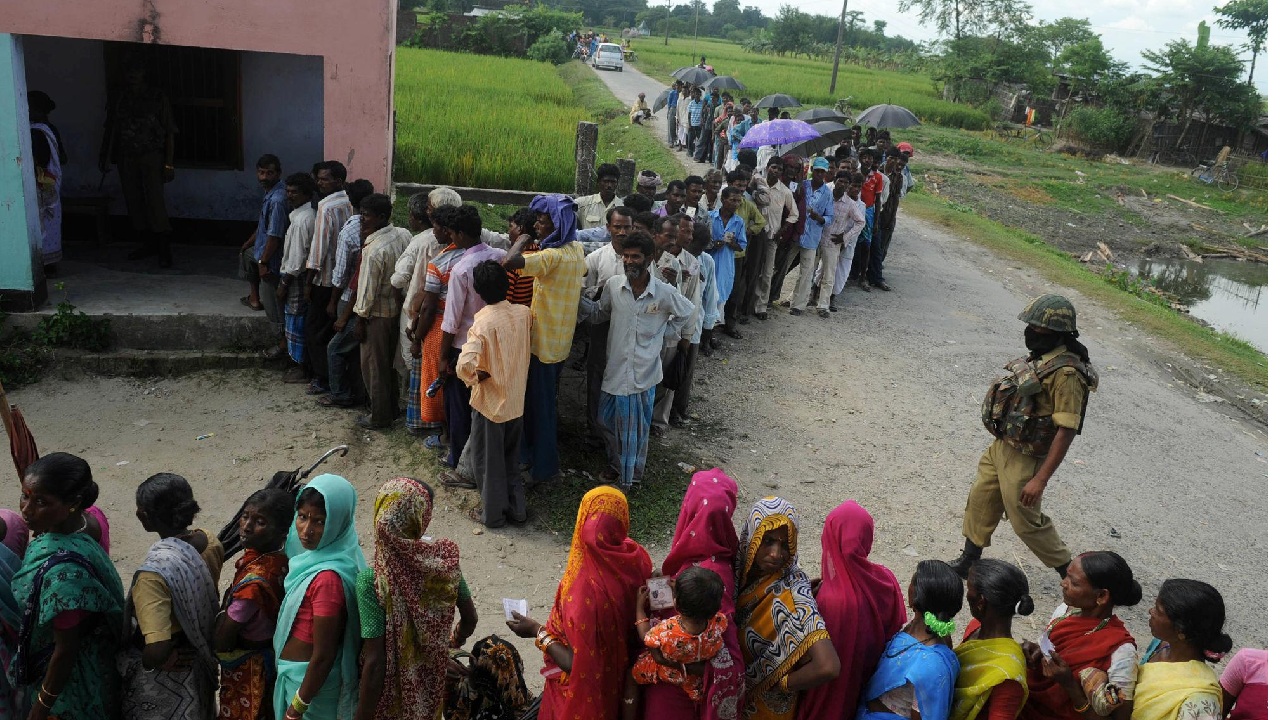
On the morning of April 9, the queues began forming before the sun had properly risen. Outside polling booths in Kerala, Assam and Puducherry, people stood quietly, some with umbrellas, others with folded slips of paper, all waiting their turn. It wasn’t noisy. This is Indian democracy in action. The Assembly elections underway are drawing huge crowds and voter turnout is setting new records.
No slogans, no spectacle. Just a steady, deliberate presence. By afternoon, the lines hadn’t thinned. If anything, they grew longer. By evening, the numbers arrived. Assam had touched 85.91 per cent. Puducherry crossed 91 per cent. Kerala, never far behind its own standards, pushed past 78 per cent. They are just figures on paper, but they carry a certain weight when seen against a world where voters often drift away, disillusioned or indifferent. Women. In groups, alone, sometimes with children in tow. They came early, they waited, and in many places, they outnumbered the men.
It changes something fundamental when participation looks like this. Politics stops being s decided along familiar lines of family or community. It becomes personal. A choice made individually, carried out deliberately.
The reasons behind such turnout are never simple. In Kerala and Puducherry, recent revisions of electoral rolls trimmed out duplicate and ineligible names. On paper, that makes percentages look sharper. But the effect on the ground felt different. There was a certain alertness, even anxiety. When people hear that names might disappear from lists, the act of voting stops being routine. It becomes urgent.
In Assam, that urgency has deeper roots. The long shadow of the National Register of Citizens still lingers. There were reports—quiet, almost understated—of people travelling across districts, even states, just to cast their vote. It is hard to miss what that means. For many, voting is not just participation. It is proof. Of presence. Of belonging. There were disruptions too.
In Kerala, fewer expatriates returned from West Asia this time, the ongoing tensions there making travel uncertain. It could have dented turnout. It didn’t, not in any significant way. The booths remained busy. The lines held.By nightfall, the political reactions began to pour in. Every side saw affirmation. The Election Commission of India called it historic. Parties, predictably, read it as endorsement—or a sign of change waiting to happen.But the meaning of that day sits somewhere else, beyond the immediate noise.High turnout doesn’t tell you who has won. It tells you something more basic, and perhaps more important—that people still believe the process is worth showing up for. That despite the arguments around institutions, despite the fatigue that often creeps into public life, citizens haven’t stepped back. The Indian people have once again showed that they care for their representation. They care for their democracy.They came. They waited. They voted. And in doing so, they left behind a simple, unmistakable message. Indian democracy isn’t running on habit. It is being carried, actively and insistently, by those who refuse to give it up.